
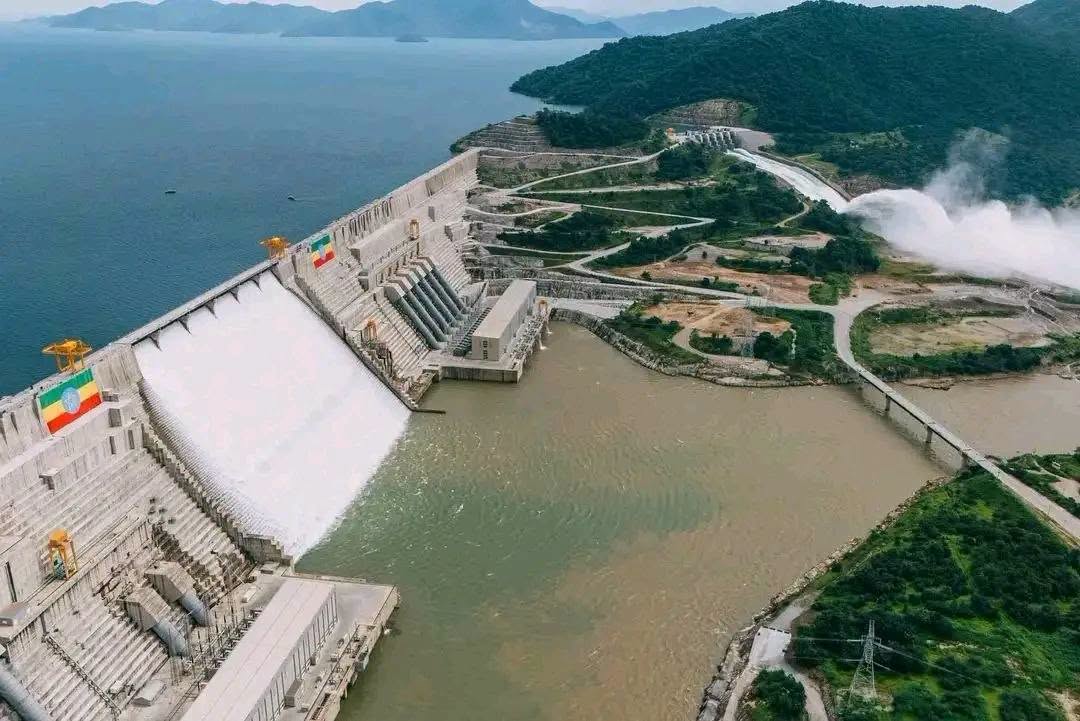
Former AUC Chairperson Cites Ethiopia’s GERD and Energy Policies as Models of African Self-Reliance
Addis Ababa, October 28, 2026 (FMC) – Former African Union Commission (AUC) Chairperson Nkosazana Dlamini-Zuma has cited Ethiopia’s construction of the Grand Ethiopian Renaissance Dam (GERD) and its energy policies as examples of how African countries can advance development through self-reliance and confidence in their own capabilities.
Speaking ahead of the Russia-Africa Summit in Moscow, Dlamini-Zuma said Ethiopia’s development approach offers lessons for a continent seeking greater integration, peace and prosperity through initiatives driven by its own citizens.
Drawing on her experience leading the AUC from 2012 to 2017, when the Commission was headquartered in Addis Ababa, she underscored Ethiopia’s responsibility to demonstrate what African countries can achieve through homegrown development and national determination.
She identified a lack of confidence in Africa’s own capabilities as a major obstacle to progress, pointing to the GERD as a powerful example of Ethiopia undertaking a major strategic infrastructure project without waiting for outside intervention.
“What impressed me about Ethiopia is how you built the Renaissance Dam without waiting for outsiders to come and do the work,” she said, arguing that African countries cannot realize their development ambitions if they depend on others to drive their progress.
“If we don’t have confidence in ourselves and don’t believe in ourselves, we’ll never go anywhere far,” Dlamini-Zuma added, urging African leaders to place greater trust in their countries’ capacity to deliver transformative projects.
She also linked Ethiopia’s ongoing urban transformation to the importance of reliable energy, citing changes she had observed during a recent visit to Addis Ababa.
“I’ve been to Addis recently, and I can see it’s changing very fast. And it shows that when you have energy, there is a lot you can do,” she said.
Dlamini-Zuma further highlighted Ethiopia’s decision to ban the import of petrol- and diesel-powered vehicles, describing the policy as a notable step in the transition toward cleaner energy, as reported by local news agency ENA. She said the measure distinguishes Ethiopia within Africa and reflects the country’s efforts to pursue alternative energy pathways.
Her remarks place Ethiopia’s infrastructure investments and energy policies within a broader discussion about African self-determination and the continent’s development priorities, as leaders gather in Moscow to discuss the future of Russia-Africa cooperation.