
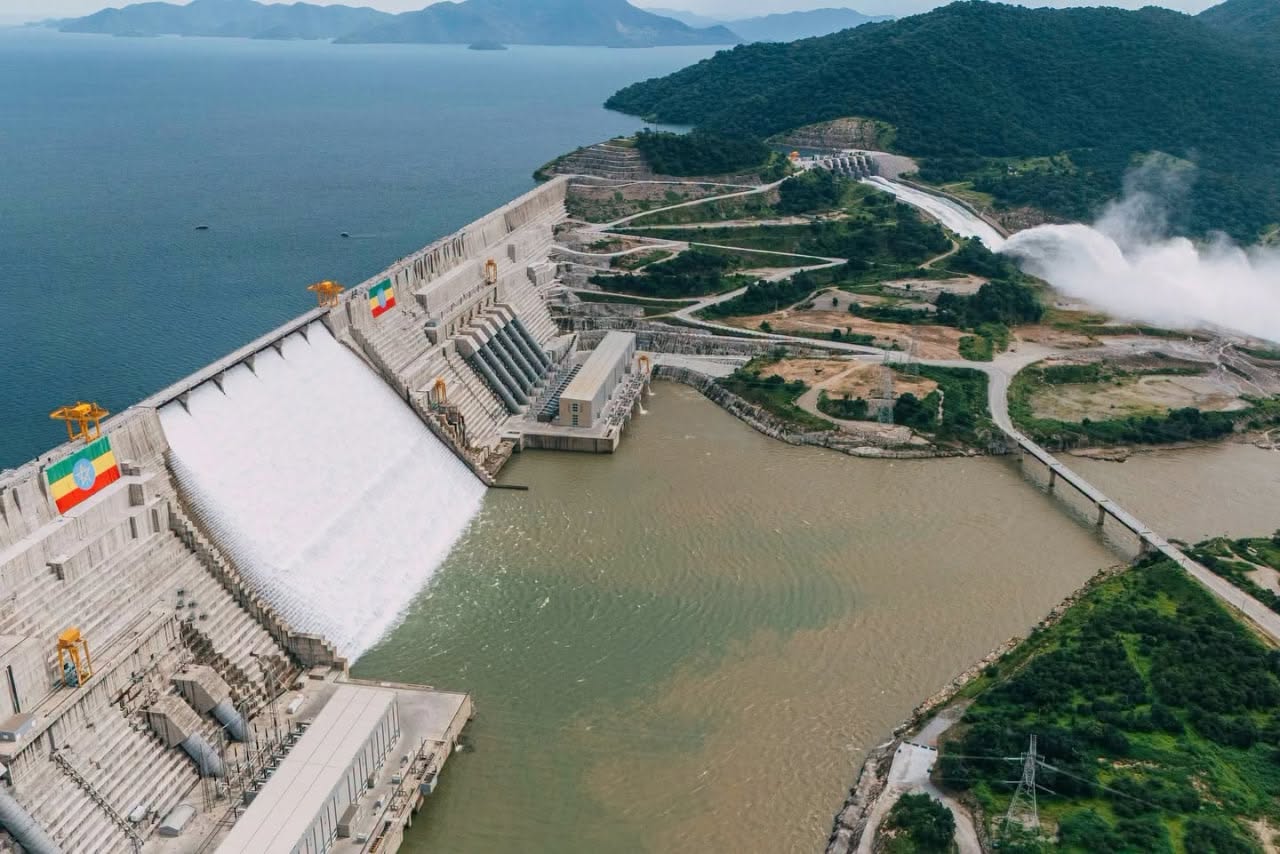
Former GERD Negotiator: Ethiopia’s Water Storage Strategy Could Bring Multiple Gains to Downstream Nile States
Addis Ababa, September 1, 2026 (FMC) — Ethiopia’s approach to expanding water storage in its highlands could generate a range of benefits for downstream Nile Basin countries, including reduced evaporation losses, lower sedimentation, improved flood management, clean energy access and greater climate resilience, according to Fekahmed Negash, Chairperson of the Advisory Team on Transboundary Water and the Grand Ethiopian Renaissance Dam (GERD) at Ethiopia’s Ministry of Water and Energy.
Fekahmed, a former member of Ethiopia’s GERD negotiating team and former Executive Director of the Eastern Nile Technical Regional Office (ENTRO), said Ethiopia’s deep and narrow highland gorges offer favorable conditions for water storage because of their cooler temperatures and geography.
He said storing more water in Ethiopia’s highlands could reduce the volume lost to evaporation before water reaches downstream countries.
Fekahmed estimated that the reservoir behind Egypt’s Aswan High Dam loses about 15 to 16 billion cubic meters of water annually to evaporation, while total evaporation losses from dams in Egypt and Sudan amount to about 20 billion cubic meters a year.
He argued that expanding upstream storage in Ethiopia could conserve a significant share of this water and increase the amount ultimately available for downstream release.
Fekahmed also identified sediment management as a major potential advantage of upstream storage.
Sediment carried from Ethiopia’s highlands accumulates in Lake Nasser behind the Aswan High Dam, gradually reducing its storage capacity. Dams upstream, he said, could trap a portion of the sediment and help extend the useful life of downstream reservoirs.
He further pointed to the potential role of Ethiopian reservoirs in managing extreme floods.
Recalling the 2005 flooding in Egypt, when authorities opened the Western Spillway and diverted billions of cubic meters of water toward the Toshka Valley, he said greater storage capacity upstream could help regulate extreme flows and reduce pressure on downstream infrastructure.
Beyond water management, Fekahmed said Ethiopia’s expanding hydropower capacity could create opportunities for downstream countries to access clean and affordable electricity.
Cascade hydropower development, he noted, could generate power beyond domestic requirements and provide an additional foundation for regional economic integration.
He also linked increased upstream storage to the Nile Basin’s capacity to respond to climate change, particularly increasingly variable patterns of flooding, drought and river flows.
Water stored in Ethiopia, he said, could be released during periods of need, strengthening the basin’s capacity to manage both excess and reduced flows.
Fekahmed said the potential benefits underscore the importance of viewing Nile water management from a basin-wide perspective rather than through the interests of individual countries alone.
He emphasized that greater cooperation, trust and confidence among Nile Basin states would be essential to realizing the potential benefits of expanded upstream storage, as reported by local news agency ENA.
His remarks come amid renewed discussion over Ethiopia’s plans to develop additional dams along the Abay (Blue Nile), highlighting the potential for upstream water infrastructure to contribute not only to Ethiopia’s development but also to broader water, energy and climate-resilience objectives across the Nile Basin.