
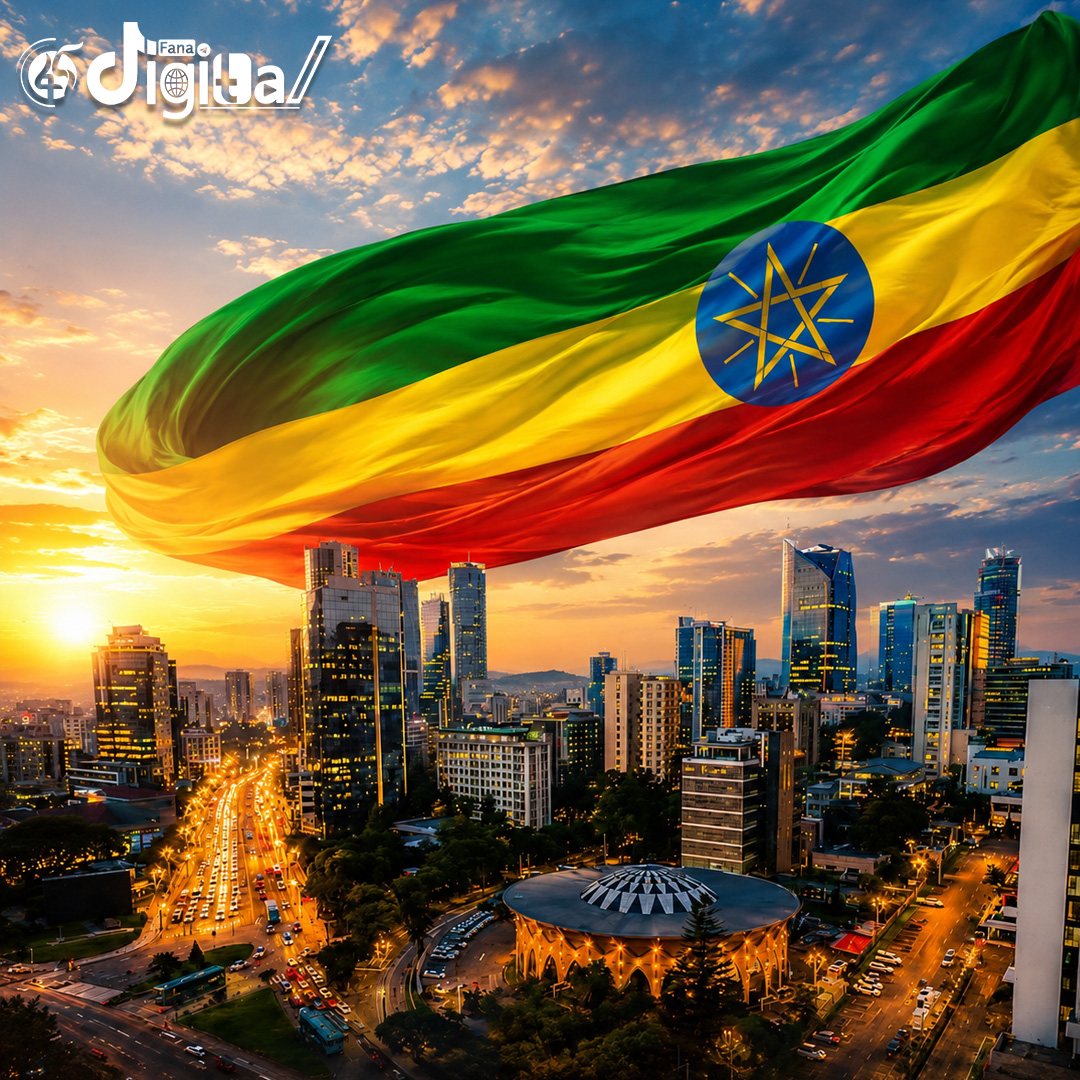
From the Ballot Box to a New Chapter: Ethiopia’s Mandate for the Road Ahead
Addis Ababa, October 4, 2026 (FMC) — Some victories do not arrive with thunder. They are forged quietly through perseverance. Some chapters of history are not written on stages, but in the choices people make, the voices they raise and the future they insist on shaping.
For Ethiopia, the seventh general election was more than a day at the ballot box.
It opened a new chapter in which millions of citizens placed their voices at the centre of the country’s political direction, casting their votes for the parties and candidates they believed could carry Ethiopia toward lasting peace, development and a stronger future.
More than 54 million registered voters took part across thousands of polling stations. In many places, the queues stretched deep into the night, with citizens remaining determined to cast their ballots even as the hours passed.
The length of those lines became more than an image from election day; it was a measure of the determination of citizens to have a say in their country’s future.
That determination was tested. Attempts to disrupt the electoral process included intimidation, threats, propaganda and violent acts in some areas. Yet the electorate did not allow those efforts to define the day. Citizens demonstrated that disruption would not erase their political voice or prevent them from exercising their choice.
But an election, however consequential, is only the beginning.
A ballot records a choice. It does not, by itself, build peace, strengthen institutions or transform the expectations of citizens into tangible results. The deeper test begins when the votes have been counted and the political mandate must be translated into action.
That is where another national journey becomes essential: dialogue.
Over the past four years, Ethiopia’s National Dialogue brought more than 4,000 participants together around questions at the heart of the country’s future, including peacebuilding, the structure of government and the political system, the rule of law and human rights.
It created a space in which Ethiopians could confront differences directly, listen to competing perspectives and search for areas of common understanding.
The significance of these two national processes lies in how they converge. The ballot box gives citizens a political voice; dialogue creates a pathway for turning differences into understanding. One expresses choice.
The other seeks common ground. Together, they point toward a larger national task: building a political order capable of carrying Ethiopia forward.
The question now is no longer simply what Ethiopia has chosen. It is what Ethiopia will do with that choice.
The answer lies in accelerating the country’s journey through respect for the popular mandate, the rule of law, stronger institutions and peaceful political engagement.
The transition from election season to government formation therefore carries an expectation far greater than the symbolism of assuming office.
The inauguration of the new government marks that transition.
The election has moved beyond the ballot box. The National Dialogue has moved beyond the conference hall. Ethiopia now stands at the threshold of another chapter, where political legitimacy must meet responsibility and national aspirations must meet delivery.
The door opening with the formation of the new government is therefore not merely a door to power. It is a door to work. A door to responsibility. A door to translating the voice of citizens into action, the lessons of dialogue into institutions and the promise of a better tomorrow into realities felt across the country.
The ballots have spoken. The dialogue has opened a path. Now the work of the next chapter begins.