
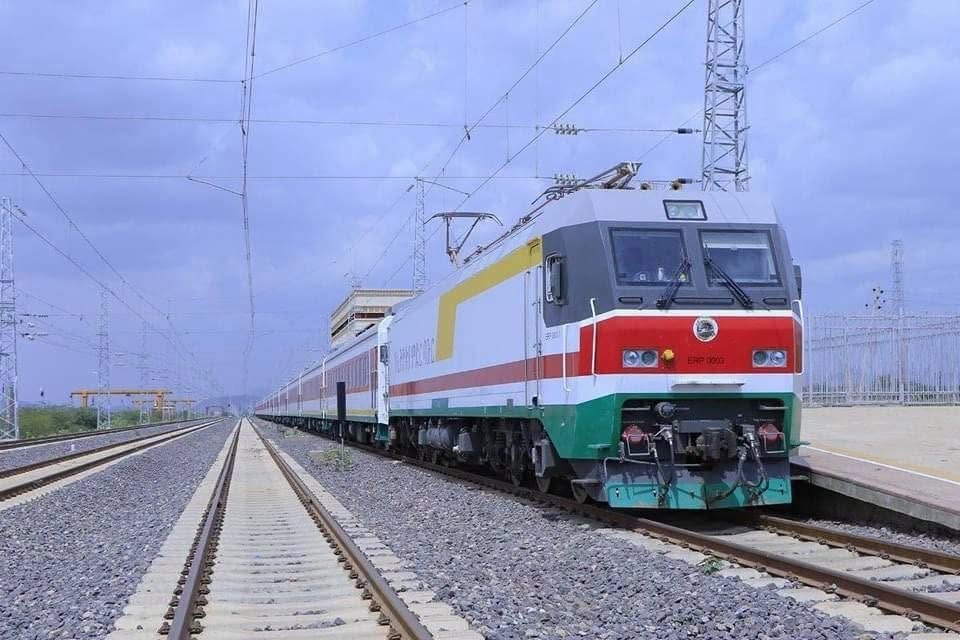
From the Land of the Abbay to Africa’s Electric Highways: Ethiopia Is Driving a New Mobility Era
Addis Ababa, November 10, 2026 (FMC) – The energy transition is often imagined through towering power stations, sweeping wind turbines and vast solar fields.
Yet one of its most consequential transformations is taking place much closer to everyday life: on the roads where people travel, goods move and economies keep running.
Every journey powered by electricity rather than imported petroleum represents a different relationship between transport and energy. It connects how a country moves with how it generates power, manages its resources and shapes its economic future.
For Ethiopia, this connection is becoming a defining part of its development ambitions and is placing the country at the forefront of Africa’s emerging electric mobility revolution.
As the global climate debate unfolds at COP31 in Antalya, Ethiopia’s experience offers a compelling example of how clean energy can transform not only electricity generation but also transport, economic resilience and national development.
The country’s shift towards electric mobility is not simply an environmental initiative or an effort to introduce a new generation of vehicles. It reflects a strategic calculation: a country with abundant renewable electricity resources can use its own energy to reduce dependence on imported petroleum.
For decades, fuel imports have placed pressure on Ethiopia’s foreign exchange resources, while fluctuations in international oil markets have exposed transport fares, freight costs and wider economic activity to external shocks.
With global fuel prices rising, replacing imported petroleum with domestically generated electricity offers a practical way to reduce this vulnerability. It can ease the fuel-import bill, conserve foreign currency and help protect the economy from the cost of international oil-price volatility.
Ethiopia’s policy shift towards electric mobility emerged from this wider understanding.
In January 2024, the country introduced restrictions that effectively halted imports of conventional fuel-powered private vehicles, placing electric mobility at the centre of a major transport transformation.
The decision marked a bold departure from conventional approaches and positioned Ethiopia among the pioneers of a nationwide shift towards electric vehicles.
But changing the vehicles on the road is only one part of the transformation. A sustainable electric mobility system requires reliable electricity, charging facilities, appropriate regulations, financing, technical skills and maintenance services.
Ethiopia’s National E-Mobility Strategy and Implementation Plan for 2025–2030 provides a framework for building this ecosystem.
It envisages 1,176 reliable charging centres in Addis Ababa and another 1,054 in regional areas by 2030, alongside charging facilities on major highways.
The Ethiopian Electric Utility has also begun expanding public charging infrastructure, with new facilities inaugurated in Addis Ababa and regional cities in October 2026.
The electricity connection gives Ethiopia a distinctive advantage. Its power system is supplied predominantly by renewable sources, with hydropower providing the backbone and wind, solar and geothermal resources offering further potential.
The Grand Ethiopian Renaissance Dam, with an installed generating capacity of 5,150 megawatts, represents a landmark in the country’s ability to harness its natural resources for development.
This creates an important economic and environmental opportunity. Electric vehicles powered by renewable electricity can replace imported fuel without simply shifting transport’s dependence from petroleum to fossil-fuel-generated power.
As the number of electric vehicles grows, however, reliable generation, transmission and distribution infrastructure will become increasingly important.
Ethiopia’s Green Legacy Initiative complements this transition. Through extensive tree planting and environmental restoration, it reflects the country’s commitment to protecting natural resources and advancing climate action.
Alongside renewable electricity and electric mobility, it forms part of a broader development direction that connects environmental protection with practical changes in how the economy produces energy and moves people.
The benefits reach beyond reducing emissions. Every vehicle that substitutes domestically generated electricity for imported petroleum can help reduce exposure to international fuel-price shocks and foreign-exchange pressure.
At the same time, electric mobility creates opportunities in vehicle assembly, charging equipment, maintenance, technical training and related industries.
Ethiopia’s strategy seeks to capture these opportunities by targeting 30 percent of electric vehicles to be locally produced or assembled by 2030.
The ambition is significant: the country’s success will depend not only on the number of EVs entering its market, but also on its ability to develop local skills, productive capacity, employment and industrial value around the technology.
Electrifying public transport offers another important opportunity. Electric buses and other public transport services can extend cleaner mobility to more people, improve urban transport systems and reduce operators’ exposure to rising fuel costs.
Their wider adoption can connect climate objectives with the everyday need for accessible and affordable transport.
The transition nevertheless faces challenges. Charging networks, grid upgrades, vehicle affordability, spare-parts availability and sustained financing will determine how widely electric mobility can expand. Its long-term success will require coordinated investment by public institutions, utilities and private-sector partners.
These considerations carry particular significance for Africa. Across the continent, transport remains heavily dependent on imported petroleum, while financing, technology and infrastructure constraints slow the adoption of electric mobility.
Africa’s opportunity is not simply to import electric vehicles, but to use its renewable resources to develop cleaner transport systems, build domestic industries and retain more economic value within its economies.
Ethiopia’s experience offers a pioneering example of how these ambitions can be connected. By linking a decisive electric mobility policy with a predominantly renewable electricity system, the country is demonstrating how clean energy can help address the economic burden of imported fuel while advancing industrialization and climate action.
This is also part of the wider significance of Ethiopia’s contribution to COP31. The global transition cannot be completed by changing how electricity is generated while leaving transport dependent on conventional fuels.
Nor can electric mobility deliver its full climate and economic benefits without reliable, affordable and clean electricity. Ethiopia’s experience brings these challenges together, showing how the shift towards renewable energy can also change the way an economy moves.
As the country prepares to host COP32 in Addis Ababa in November 2027, its experience with renewable energy, the Green Legacy Initiative and electric mobility offers an important perspective on climate action that also advances development.
For developing countries, the transition must create economic opportunities, support industrial growth and reduce the vulnerabilities associated with imported fossil fuels.
Ultimately, Ethiopia’s electric mobility transformation is about much more than replacing one type of vehicle with another.
It is about connecting the power of the Abbay and other renewable resources with the movement of people and goods, turning fuel-import expenditure into opportunities for domestic development and making transport less vulnerable to the turbulence of global petroleum markets.
From the land of the Abbay to Africa’s electric highways, Ethiopia is seeking to turn clean energy into a new force for mobility, economic resilience and a greener future.
By Mesafint Brlie