
Huajian Special Economic Zone to Bolster #Ethiopia’s Industrial Growth, Import Substitution and FDI — PM Abiy
Addis Ababa, May 2, 2026 (FMC) — Ethiopian Prime Minister Abiy Ahmed said the Huajian Special Economic Zone will play a significant role in advancing industrial growth, strengthening import substitution efforts, and attracting foreign direct investment, as Ethiopia intensifies its push toward self-sufficiency.
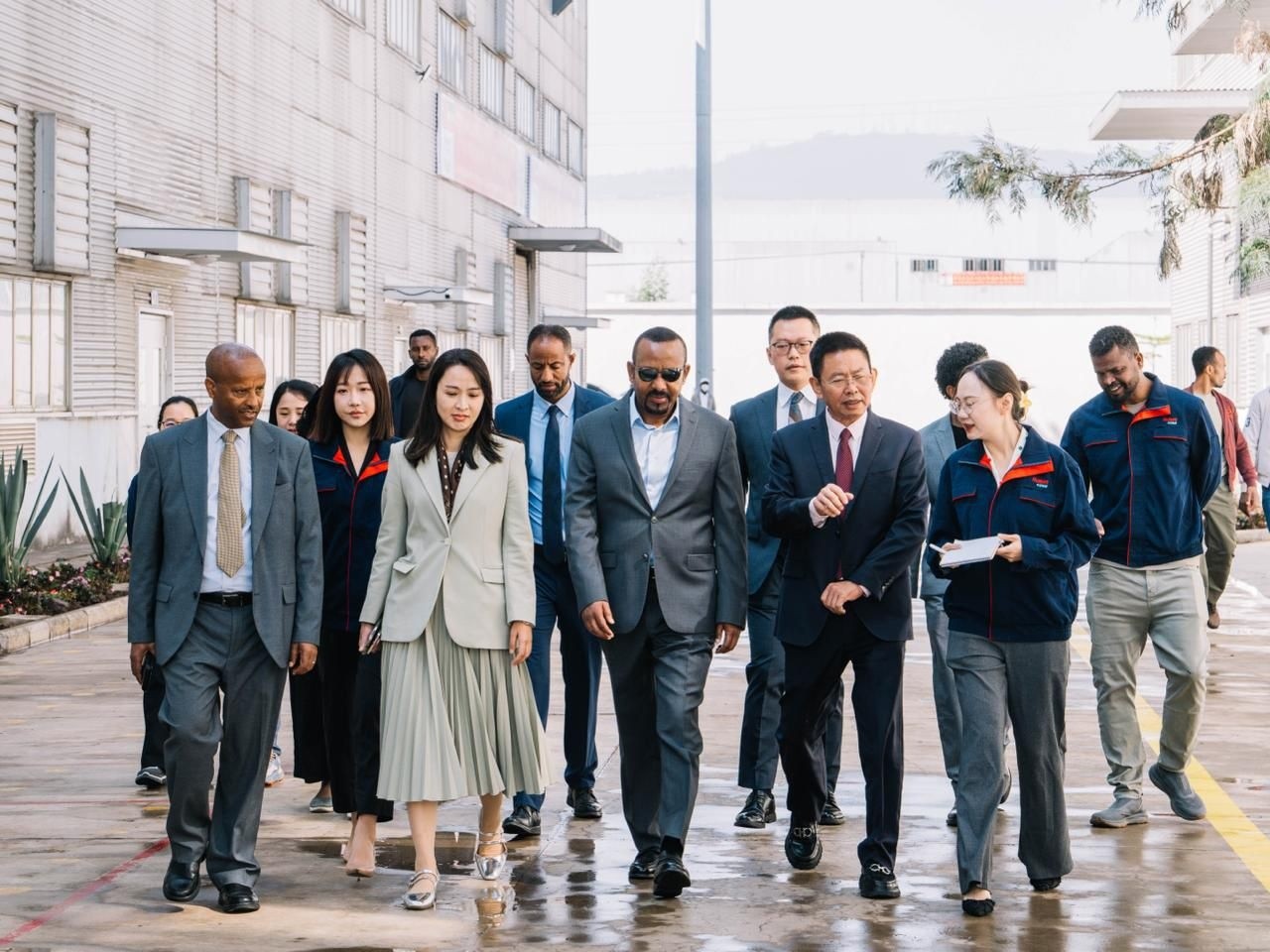
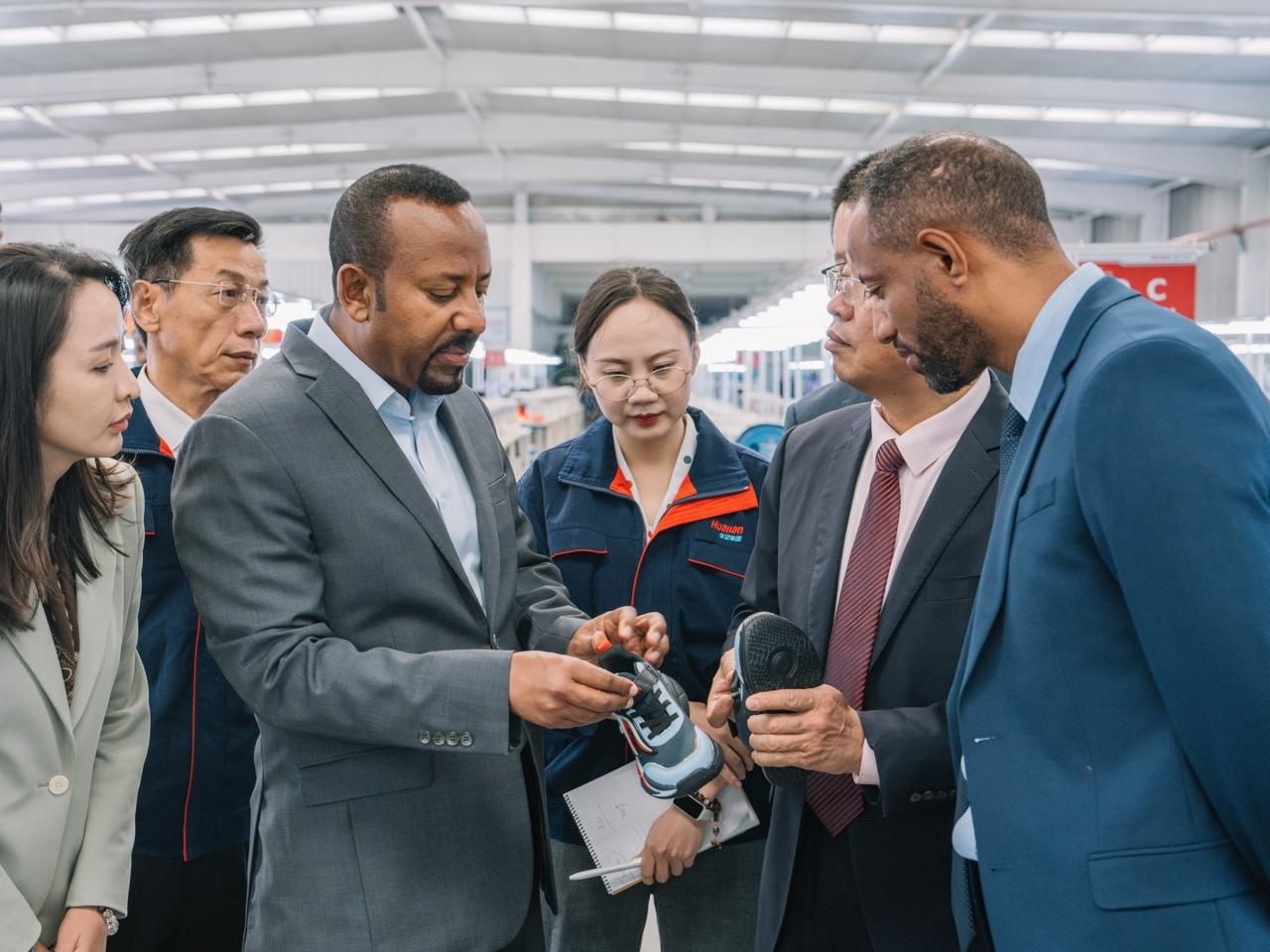
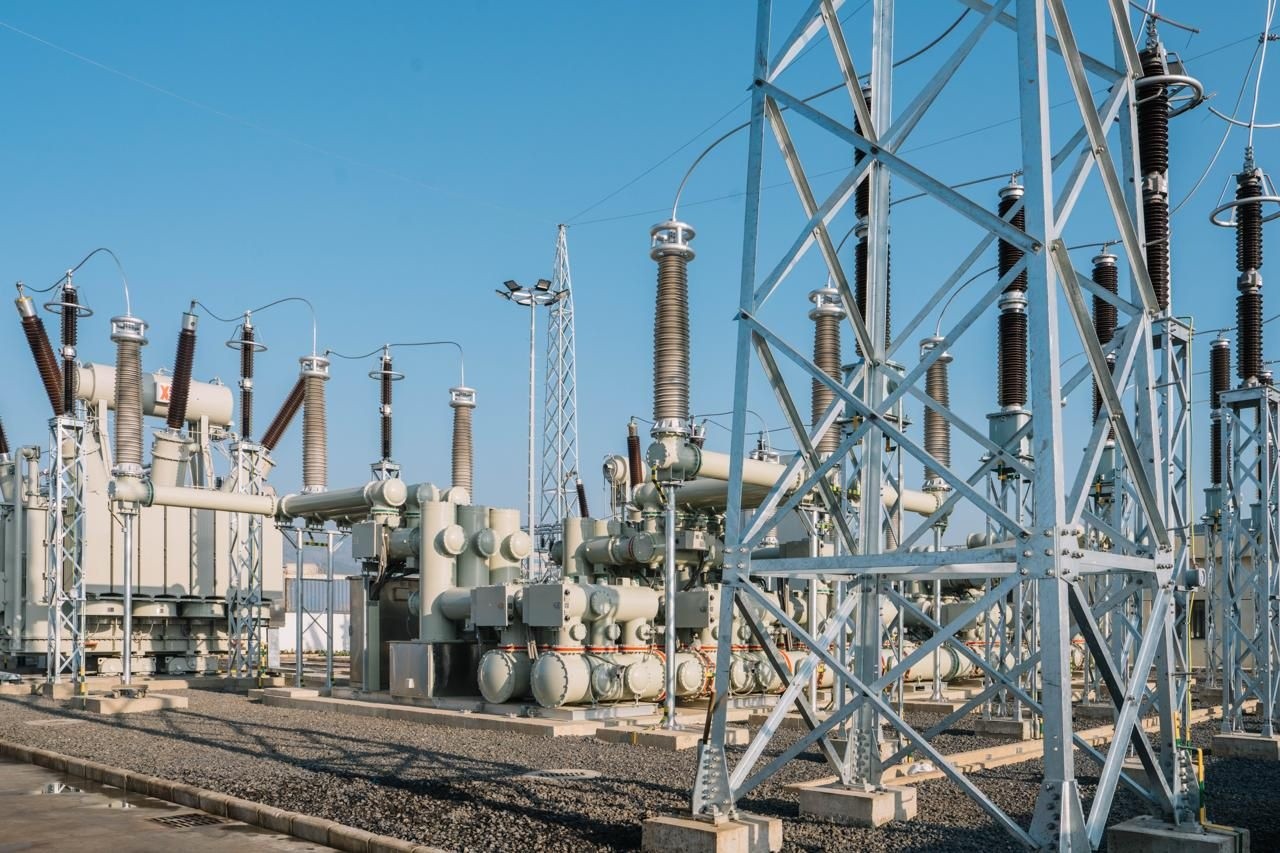
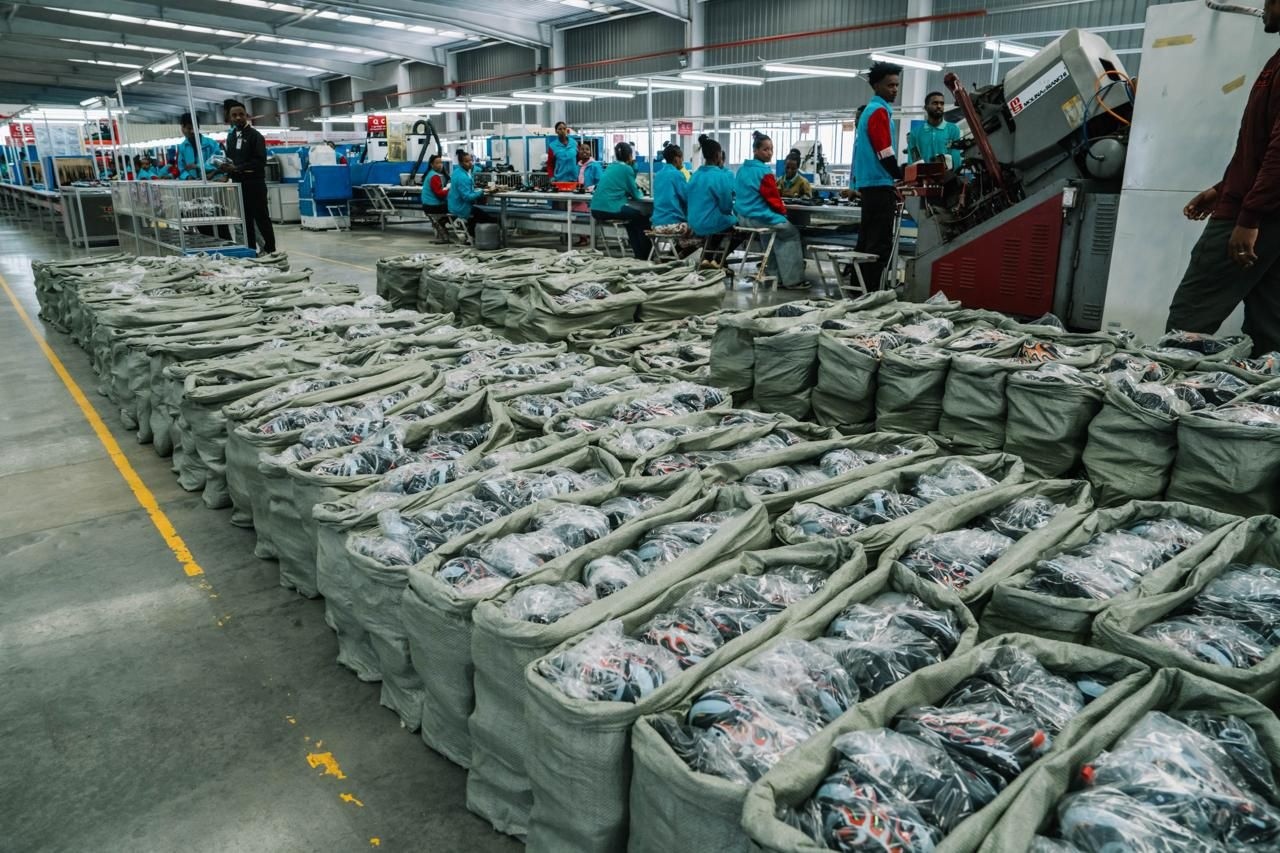
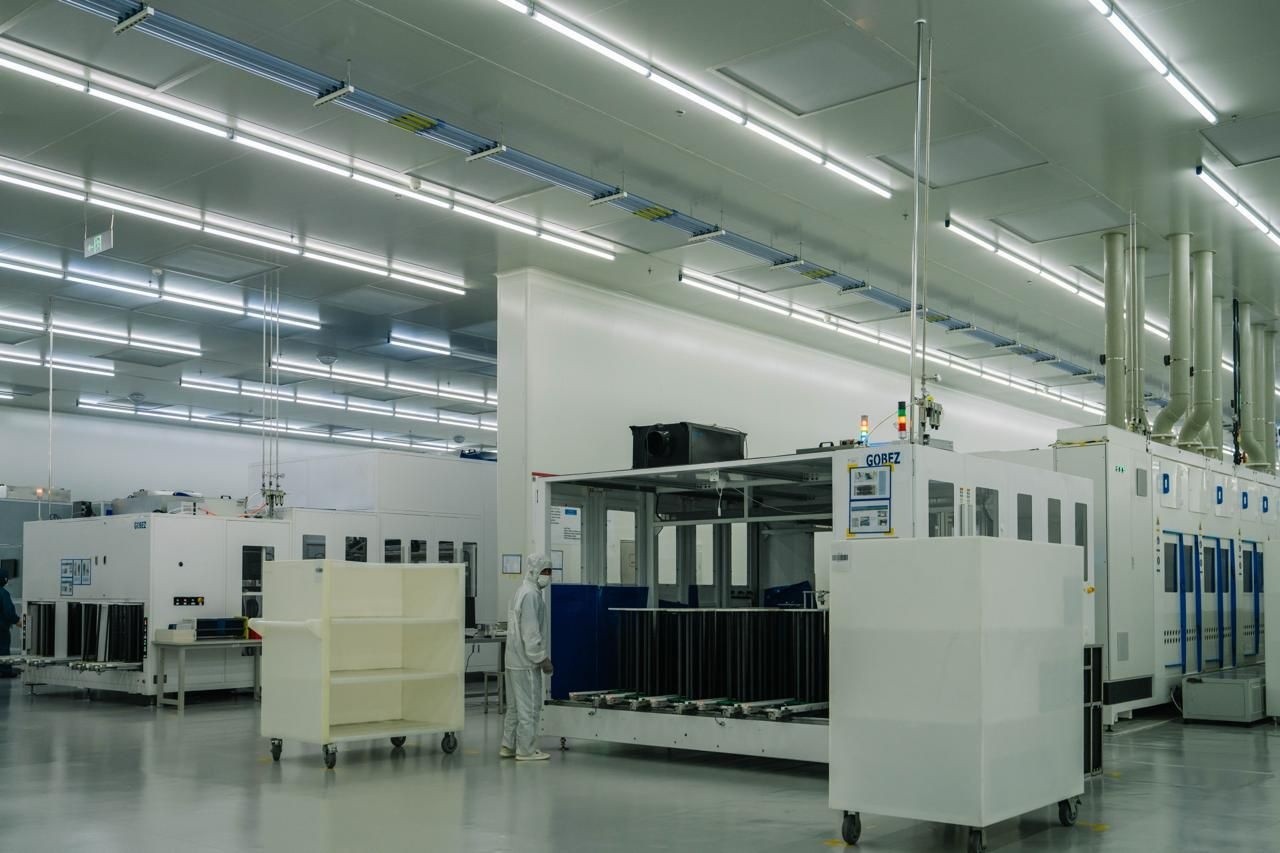
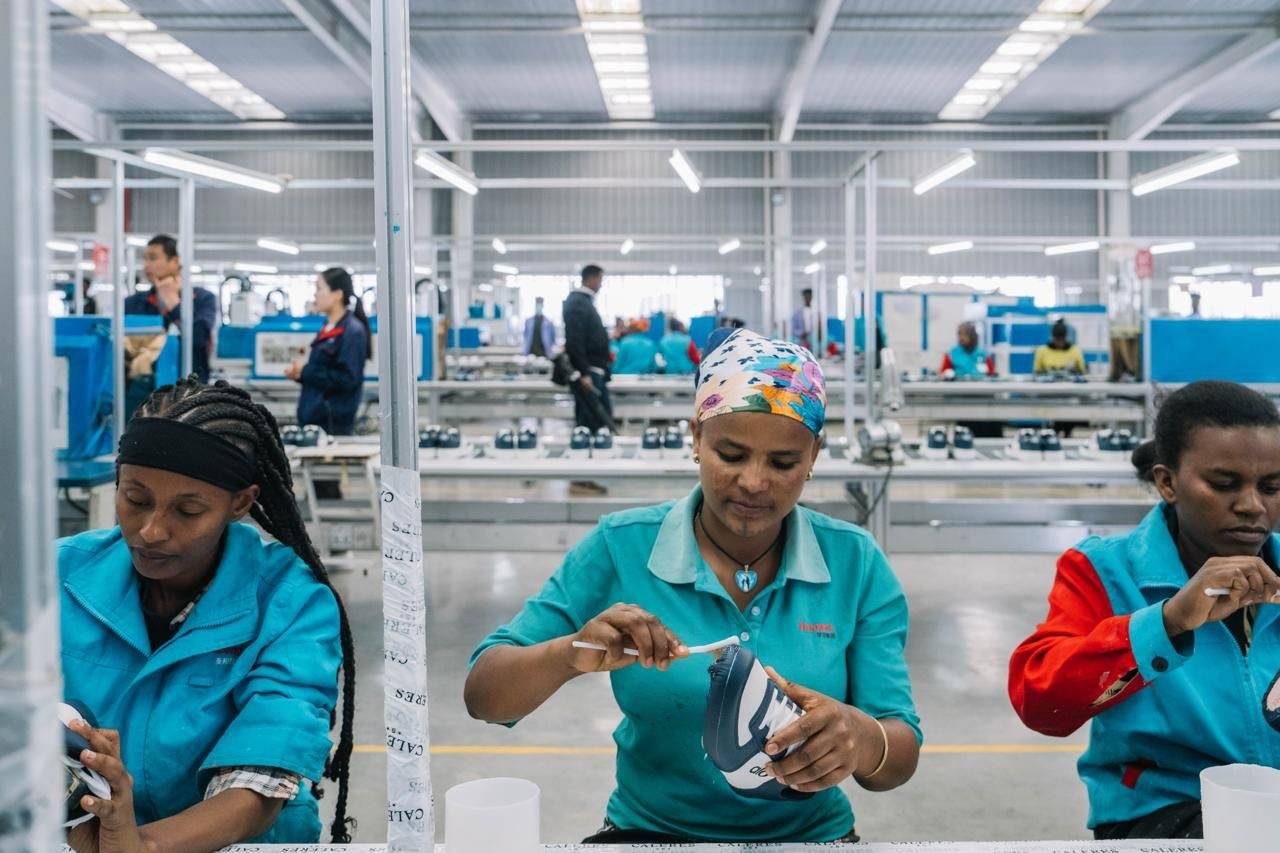
The Prime Minister made the remarks during a visit to the Gobeze Solar Cell manufacturing plant located within the Huajian Special Economic Zone in Addis Ababa, where he also toured a shoe manufacturing factory and an electrical substation situated in the industrial zone.
He noted that the SEZ, developed by private investors, comprises around 30 sheds accommodating multiple developers, highlighting the expanding contribution of the private sector to Ethiopia’s industrialization agenda.
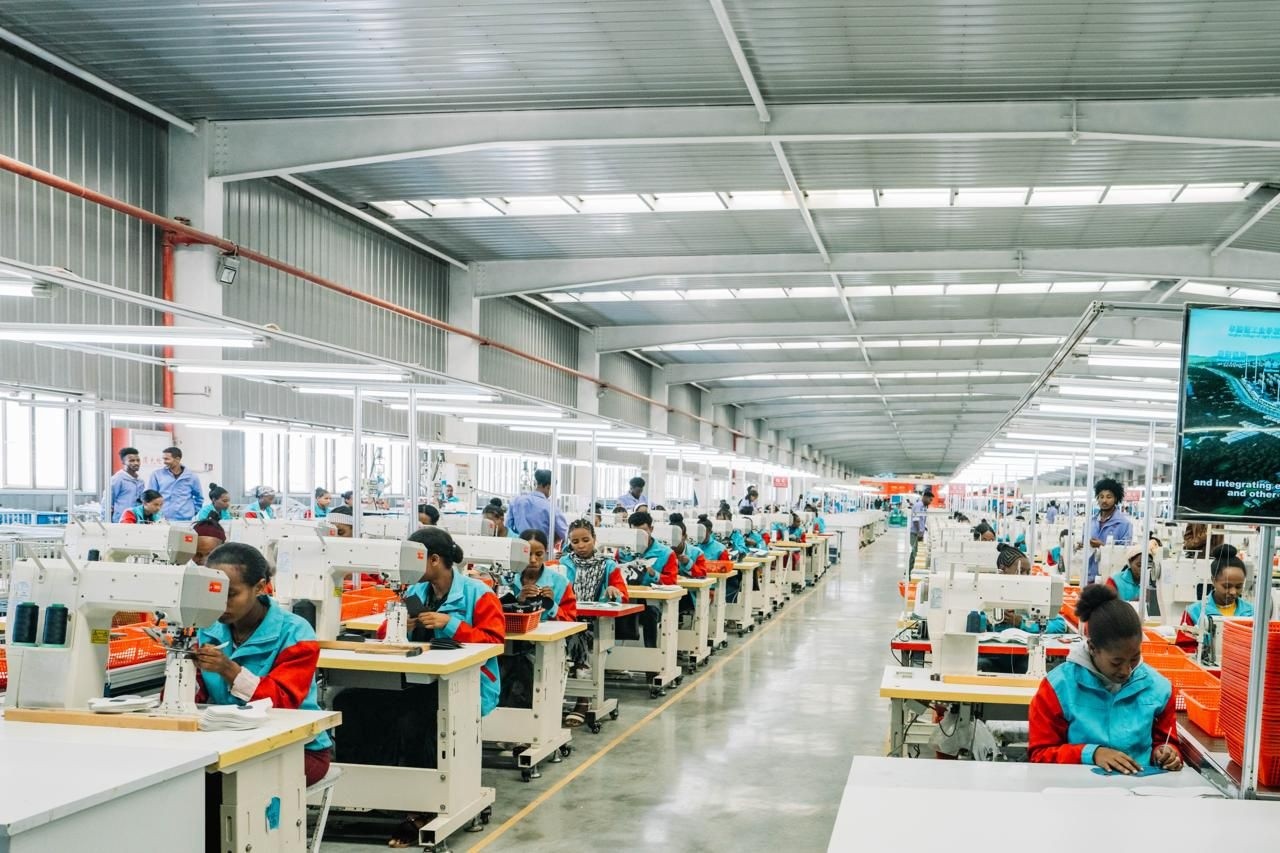
PM Abiy said the zone is emerging as a hub for diversified manufacturing, producing solar cells, electric bicycles, shoes, garments and other products.
He explained that this shift follows challenges encountered by textile-focused industrial parks after Ethiopia’s exit from the African Growth and Opportunity Act (AGOA), prompting a transition toward a broader manufacturing base.
The Prime Minister stated that the Gobeze Solar Cell manufacturing plant, established based on an agreement concluded during the 2025 Invest in Ethiopia Forum with an initial investment of 100 million US dollars, has commenced production with an annual capacity of 2 gigawatts in its first phase, with further expansion expected in the next phase.
He noted that the rapid establishment of the facility reflects the country’s growing industrial capability, adding that efforts are underway to emulate successful international experiences, including those observed in Vietnam.
According to the Prime Minister, the Huajian SEZ’s location in Addis Ababa, coupled with its scale—comparable to major industrial parks such as Hawassa—positions it to attract substantial foreign investment.
He further highlighted the wide-ranging contributions of the industrial sector to the economy, including job creation, foreign exchange generation, knowledge transfer, and linkages with the energy and service sectors.
Prime Minister Abiy emphasized that the “Made in Ethiopia” initiative is delivering tangible results in advancing industrial transformation, noting that sustained progress will depend on identifying remaining gaps, strengthening ongoing efforts, and ensuring effective implementation.
“If we work hard, complete what we start, and address existing gaps, we can ensure continuous and sustainable growth,” he said, adding that Ethiopia has the potential to achieve self-sufficiency across multiple sectors in the coming years.
The Prime Minister underscored that consolidating and expanding current gains will be critical to securing Ethiopia’s long-term prosperity, describing it as a shared national responsibility.
He also asserted that the country must intensify efforts to substitute imported products with domestically manufactured goods, as part of a broader push toward self-sufficiency.