
Industry and Construction Surpass Agriculture in Ethiopia’s Economic Growth Contribution for the First Time
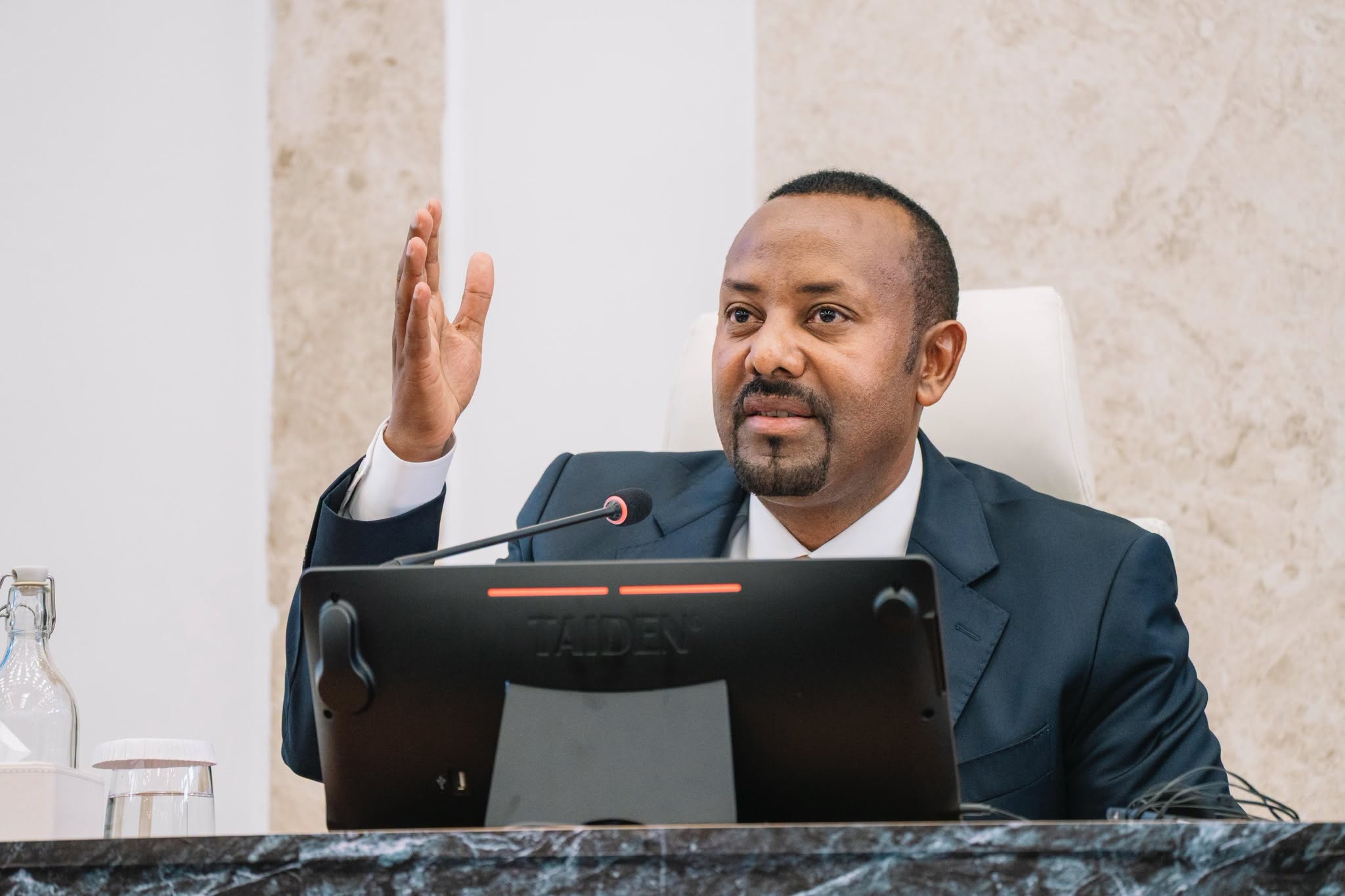
Addis Ababa, November 26, 2026 (FMC) — Ethiopia is witnessing a historic shift in its economic structure, with industry and construction projected to contribute more to overall economic growth than agriculture for the first time, Prime Minister Abiy Ahmed (PhD) disclosed during a parliamentary briefing.
According to the projections presented by the Prime Minister, industry and construction are expected to grow by 12.3% and account for 31.8% of overall GDP growth in the current fiscal year.
Agriculture, meanwhile, is projected to grow by 7.7%, contributing 31.4%, while the services sector is expected to expand by 9.9% and contribute the largest share, at 33.8%.
The figures mark an important development in Ethiopia’s economic transformation, as industry and construction move ahead of agriculture in their contribution to overall growth.
The shift reflects the expanding role of productive sectors alongside the country’s traditional agricultural base.
Abiy’s briefing pointed to the expansion of industrial development as a key factor in this changing economic landscape.
Ethiopia has increased the number of industrial parks from three government-owned facilities to more than 15 large parks developed through public and private investment, strengthening the country’s manufacturing capacity.
Developments in energy production are also supporting industrial expansion. Projects in hydropower, wind and solar energy, including the Grand Ethiopian Renaissance Dam, are increasing the country’s capacity to generate power for productive activities and wider economic development.
Agriculture, however, remains a major contributor to growth, with ongoing efforts to raise productivity and expand output. Cluster farming is enabling farmers to consolidate fragmented plots and improve production, while the YeLemat Tirufat (Bounty of the Basket) initiative is expanding poultry, egg and milk production.
Infrastructure development is also contributing to the changing economic structure. The expansion of the Ethio-Djibouti Railway, for instance, has increased locomotive numbers from 11 to 36, raised passenger traffic from 198,000 to 588,000 and expanded cargo transportation to 4.3 million tonnes.
The railway now operates at speeds of up to 55 kilometres per hour, compared with 37 kilometres per hour previously.
The railway has also become a major channel for trade, transporting 95% of Ethiopia’s coffee exports and 25% of its fertilizer imports, according to the figures presented in the briefing.
The services sector, which is projected to make the largest contribution to overall GDP growth, is benefiting from the expansion of digital finance, tourism and conference-related activities. Ethiopia’s growing capacity to host major international events is further strengthening this part of the economy.
The projected contributions of the three sectors indicate a gradual change in the sources of Ethiopia’s economic growth. While agriculture continues to play a central role, the rising contribution of industry and construction points to an increasingly diversified economy.