
Irreecha: Where Gratitude Meets Renewal, and Heritage Lives On
Addis Ababa, October 2, 2026 (FMC) — When the long rains begin to recede, the landscape of Ethiopia takes on a different character.
The clouds give way to brighter skies, the earth is dressed in green, flowers emerge and the air carries the unmistakable feeling of a season turning.
It is at this moment of transition that Irreecha comes alive.
For the Oromo people, Irreecha is a profound celebration of thanksgiving, renewal and hope.
It is a time to give thanks to Waaqa (God) for life, rain, peace, fertility and the blessings of the year that has passed, while praying for peace, prosperity and a good season ahead.
But the meaning of Irreecha reaches far beyond a single day of celebration.
At the heart of the tradition is a profound relationship between people, the Creator and the natural world. Participants gather at Malkaa, places associated with water, carrying fresh green grass and flowers.
The water, the greenery and the emerging life of Birraa give the celebration its distinctive atmosphere—a vivid expression of a world renewed after the rains.
For generations, the Oromo have marked this passage from Ganna, the rainy season, into Birraa, the season of renewal, with thanksgiving and prayer.
Traditional accounts describe how, after enduring the darkness, heavy rains, storms and difficult conditions of Ganna, people emerge into a landscape transformed by greenery and flowers and gather to express gratitude.
The symbolism is powerful: what endured has been renewed, and what lies ahead is welcomed with hope.
Irreecha is also a celebration of human relationships. Families, elders, young people and communities come together in an atmosphere of blessing, respect and togetherness.
Traditional songs, chants, dances, colorful cultural dress and ceremonial practices fill the gathering with energy, while elders and cultural custodians pass knowledge and values to younger generations.
Among those values are peace, reconciliation, forgiveness, love, unity and mutual respect. Traditional teachings associated with Irreecha emphasize that people should reconcile before entering the sacred gathering, while natural sites such as water sources and hills are treated with respect. Conflict, insults, pollution and disrespect have no place in such spaces; peace and harmony are instead celebrated.
This gives Irreecha another dimension: it is not only about remembering where a community comes from, but also about renewing the bonds that hold it together.
Its cultural landscape is closely connected with the wider heritage of the Gadaa system, an indigenous Oromo institution that has transmitted knowledge, values, customary practices and systems of social organization across generations.
UNESCO inscribed the Gadaa system on the Representative List of the Intangible Cultural Heritage of Humanity in 2016, recognizing its role in governance, conflict resolution, social cohesion, moral conduct and cultural transmission.
Yet Irreecha belongs not only to the pages of history. It is a living tradition.
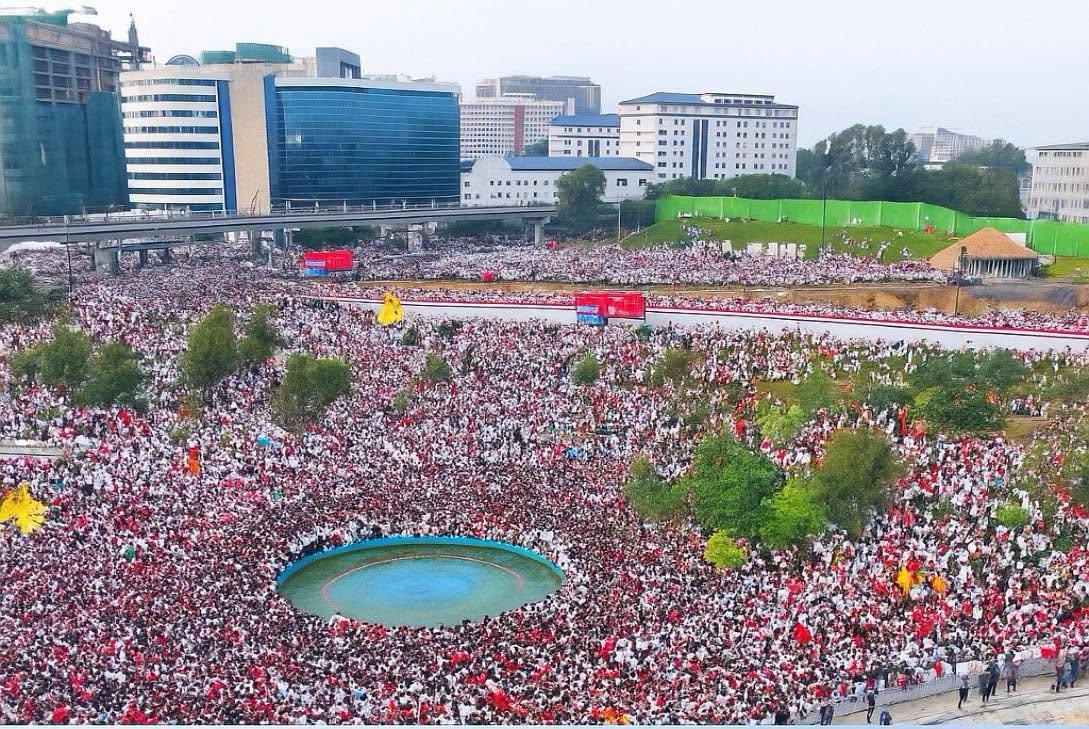
In today’s Ethiopia, the celebration brings enormous gatherings to Hora Finfinne in Addis Ababa and Hora Arsadi in Bishoftu, while Irreecha traditions are observed in communities across the country and among Oromo communities beyond Ethiopia.
The atmosphere is part of the meaning.
The sight of people dressed in traditional colors, the sound of songs carried through a gathering, the movement of dancers, the raising of fresh grass and flowers, the presence of elders and the excitement of younger generations all turn the celebration into something larger than ceremony.
It becomes a meeting place between generations—where memory and modern life stand together.
And perhaps that is one of Irreecha’s most enduring qualities.
It does not ask people to remain in the past. It asks them to carry the past forward.
Every generation brings its own experiences, aspirations and challenges, yet the essential message remains remarkably constant: be grateful for what has been received, seek peace and reconciliation, respect creation, strengthen bonds with others and face the future with hope.
As Ethiopia welcomes another Birraa, Irreecha once again transforms the turning of a season into a celebration of life itself.
At the water’s edge, amid green grass, flowers, song and gathering crowds, an ancient heritage continues to speak in the present tense.
Irreecha is where gratitude meets renewal, and heritage lives on.