
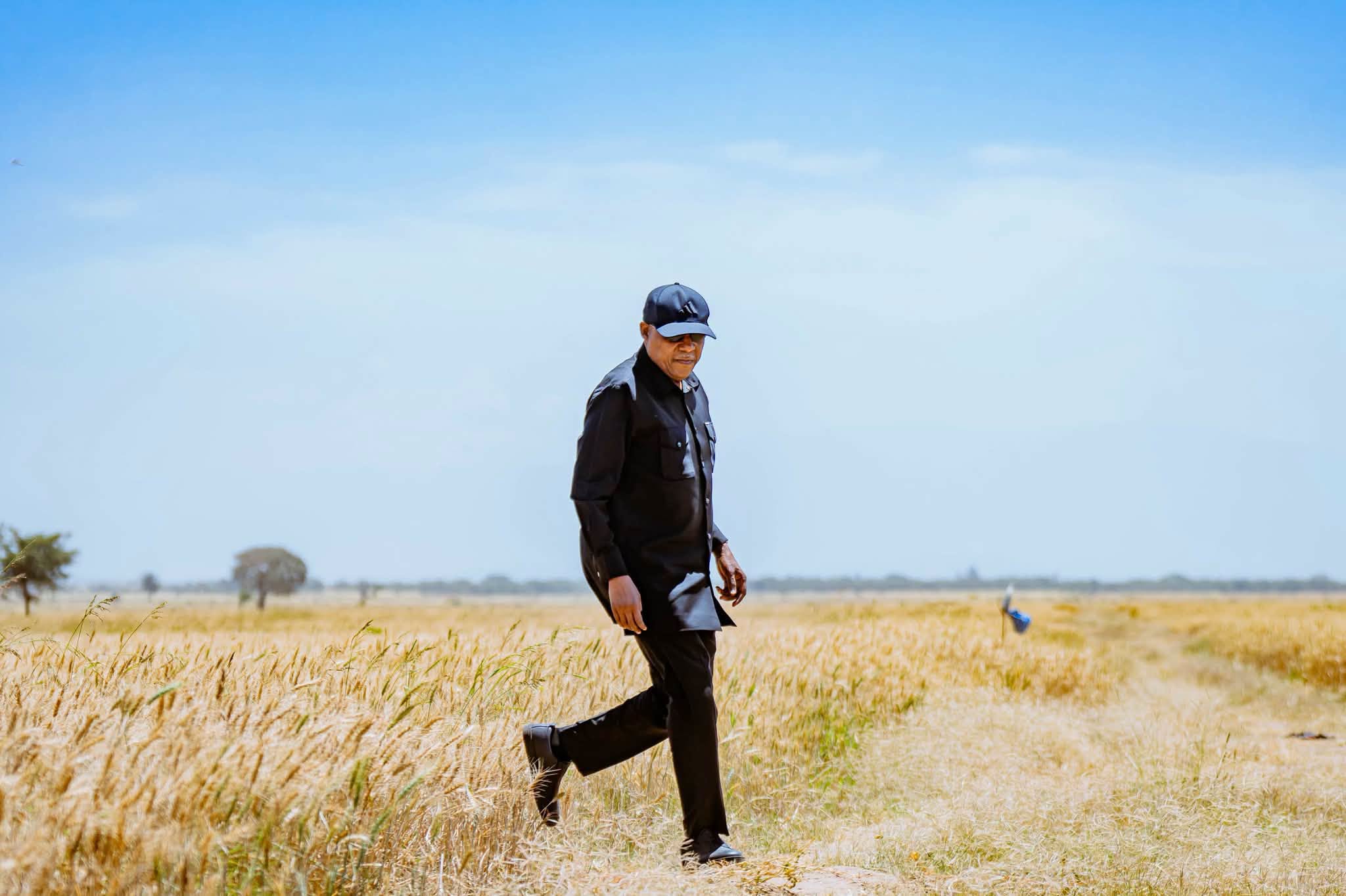
Nigeria to Adopt Ethiopia’s Mechanised Farming Model to Boost Food Security — Vice President Kashim Shettima
Addis Ababa, October 9, 2026 (FMC) — Nigeria plans to draw on Ethiopia’s experience in mechanised agriculture to accelerate domestic food production, strengthen food sovereignty and transform agriculture into a major engine of economic growth, Nigerian Vice President Kashim Shettima has announced.
Vice President Shettima made the remarks on Thursday while leading a Nigerian delegation on a tour of farms and agricultural facilities in Ethiopia’s Oromia region as part of the Ethiopia–Nigeria Leadership Exchange on Nutrition.
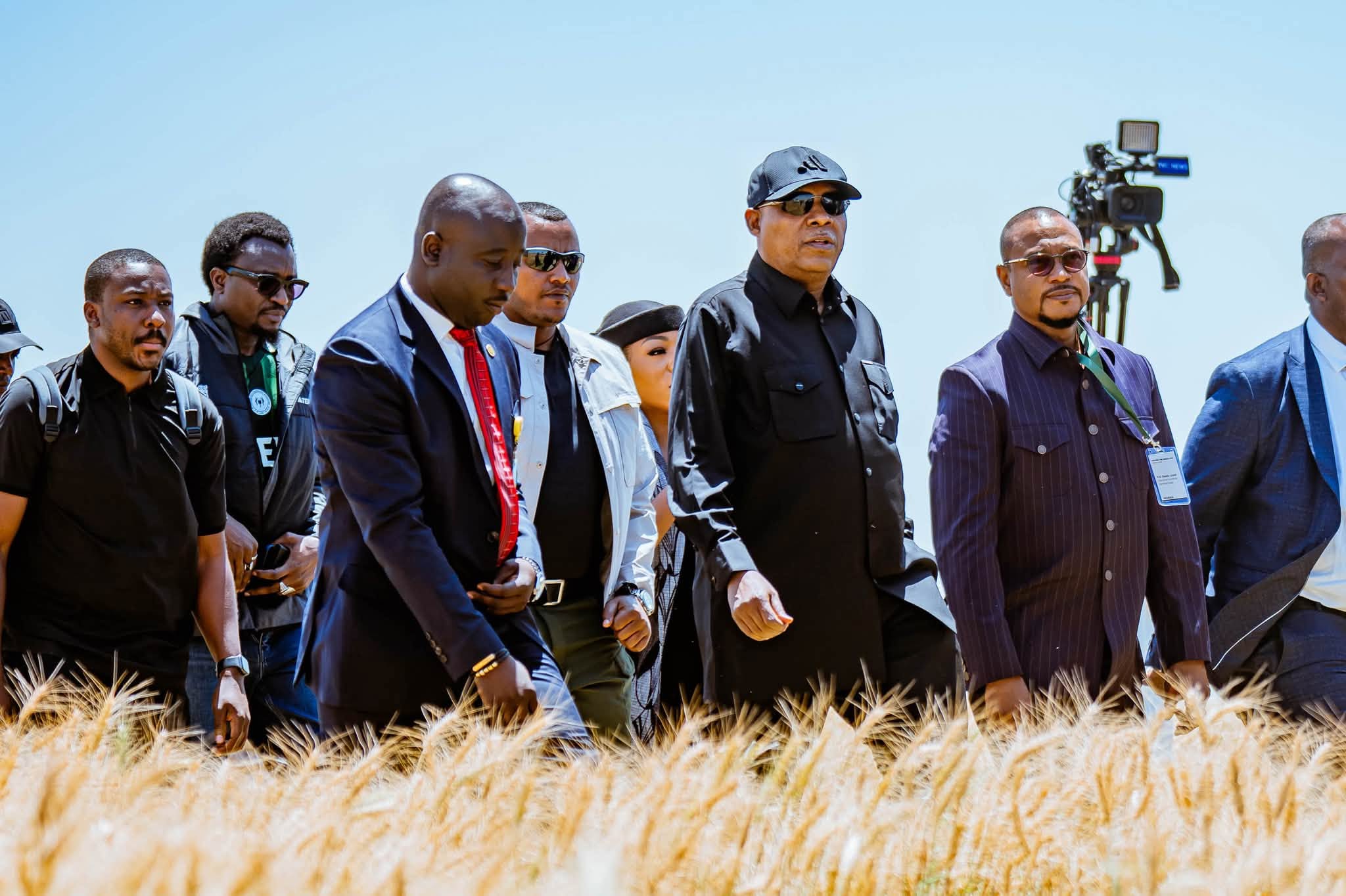 Describing Ethiopia as a “pathfinder” and “front runner” in Africa’s economic renaissance, Shettima praised the country’s agricultural transformation as an example from which other African nations could draw valuable lessons.
“I am overwhelmed with joy that the real economic renaissance of Africa is in the offing. Ethiopia has become the pathfinder, the front runner in us reclaiming our pride and our continent. We are mightily proud of them,” he said.
Shettima highlighted Ethiopia’s progress in wheat production, noting its transition from importing approximately 1 billion dollars’ worth of wheat annually to achieving domestic self-sufficiency and exporting surplus production to neighbouring countries, including Djibouti and Kenya. He also pointed to the country’s advances towards rice self-sufficiency.
The transformation has attracted recognition from other prominent Nigerian leaders. Former Nigerian President Olusegun Obasanjo, the African Union’s Special Envoy for the Horn of Africa, told Ethiopia’s National Dialogue Conference in July that the country’s transition from wheat imports to self-sufficiency and exports offered a major opportunity for Africa to become a “food basket.”
Building on Ethiopia’s experience, Shettima said Nigeria intends to expand large-scale mechanised farming, improve access to quality seeds and promote climate-smart agricultural practices. These measures, he noted, would help increase productivity, address supply-chain and logistical bottlenecks, attract investment and strengthen long-term food and nutrition security.
“We intend to embrace improved seeds, mechanisation, and climate-smart agriculture,” he said.
Emphasising the strategic importance of domestic food production, the vice president warned that excessive reliance on imported food could undermine national sovereignty.
“Food dependency compromises our sovereignty. Without independence in food production, a nation remains incomplete in its sovereignty,” he said, underscoring the importance of building Africa’s capacity to feed its own people.
Shettima also announced Nigeria’s plan to launch a nationwide tree-planting campaign targeting 20 billion trees during the next rainy season, drawing inspiration from Ethiopia’s Green Legacy Initiative. He said the proposed campaign would require extensive planning and public mobilisation, while offering opportunities to support environmental restoration and livelihoods.
The announcement adds an environmental dimension to the experience Nigeria is seeking to draw from Ethiopia, where the Green Legacy Initiative has made large-scale tree planting a prominent part of the country’s environmental and development agenda.
During the visit, President of Ethiopia’s Oromia Regional State Shimelis Abdisa outlined the country’s agricultural advances, noting that Ethiopia cultivates more than 200 crop varieties and has expanded exports of products including bananas, avocados and coffee.
Shimelis also highlighted cooperation with the Dangote Group on fertiliser production for farmers and the expansion of poultry production in the region.
The tour exposed the Nigerian delegation to Ethiopia’s agricultural production systems, including wheat, banana and papaya farms, offering an opportunity to examine approaches that could inform Nigeria’s efforts to modernise farming and expand domestic output.
The visit underscores the practical dimension of Ethiopia–Nigeria cooperation, as the two countries seek to exchange development experience and deepen collaboration in agriculture, nutrition, investment and food security. Their engagement also reflects a wider continental imperative: translating Africa’s agricultural potential into greater productivity, stronger food systems and reduced dependence on external supplies.