
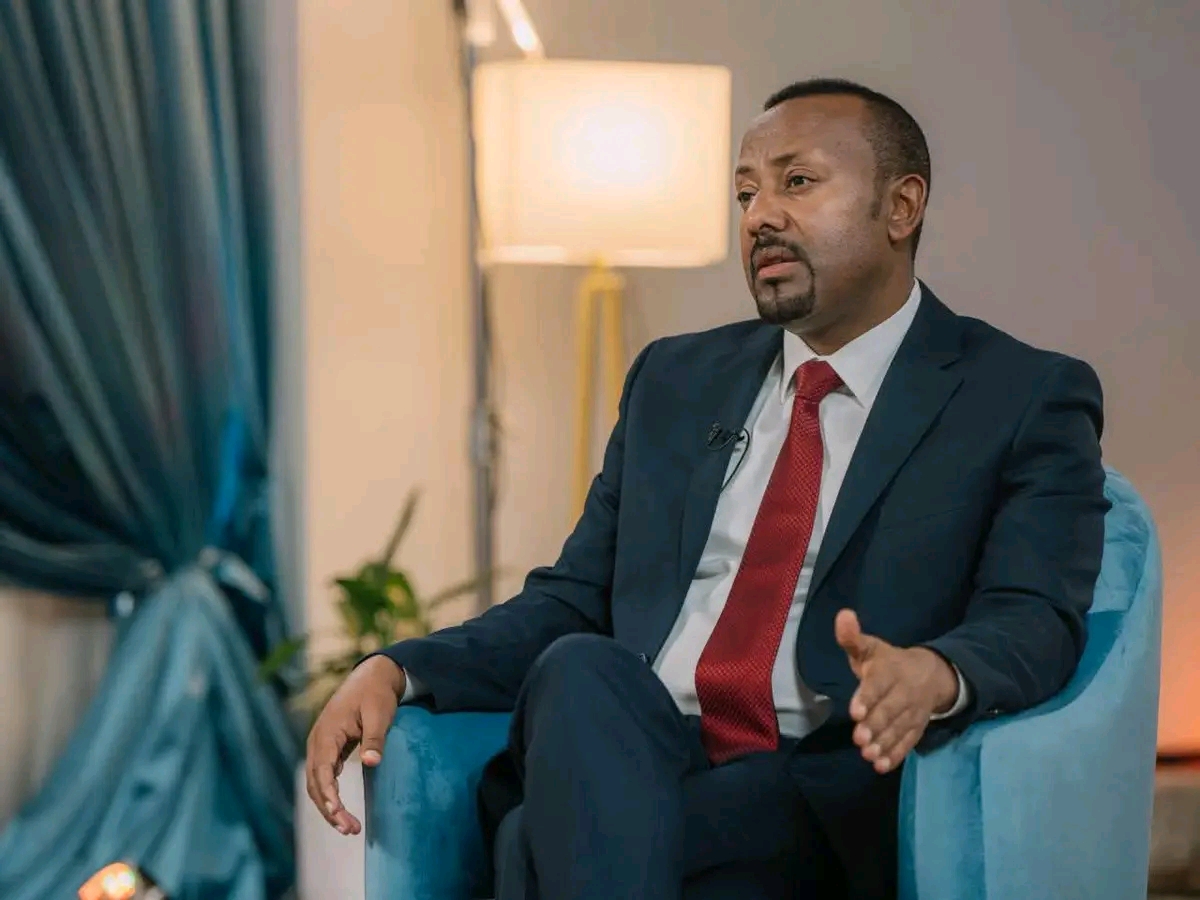
PM Abiy: Ethiopia’s Future Depends on Building on Centuries of Shared History and Integration
Addis Ababa, July 31, 2026 (FMC) — Prime Minister Abiy Ahmed said Ethiopia’s future stability, prosperity, and national renewal depend on building upon the country’s centuries-old history of integration, shared experiences, and interconnectedness among its peoples.
In an interview with the Amhara Media Corporation (AMC), the Prime Minister highlighted Ethiopia’s long history of social, cultural, political, and economic interactions, stressing that the country’s progress has always been shaped by collective efforts and shared aspirations.
Prime Minister Abiy said the deep connections among Ethiopia’s peoples have been built over generations through intermarriage, trade, cultural exchanges, political alliances, and social institutions, creating a foundation for coexistence and collective development.
He particularly emphasized the longstanding relationship between the Amhara and Oromo peoples, describing their historical interaction as one of the significant elements that shaped Ethiopia’s state formation and national trajectory.
The Prime Minister cited historical examples, including the Shewa and Yifat Sultanates, as well as the Gondar, Yeju, and Were Himenu dynasties, as reflections of the extensive integration and shared governance experiences that have existed among different communities.
He noted that Ethiopia’s history cannot be understood through separation, but through the interconnected journeys of its peoples, who have lived together, contributed to national development, and faced challenges collectively.
Prime Minister Abiy pointed to the Victory of Adwa as a major demonstration of Ethiopia’s unity, saying leaders and communities from different parts of the country stood together to defend the nation’s sovereignty against colonial aggression.
He also referred to various historical struggles, including popular movements against injustice, as examples of shared experiences that shaped Ethiopia’s political and social development.
The Prime Minister said the reform process launched in 2018 was guided by extensive consultations with citizens, political actors, institutions, and communities across the country to identify national priorities and build a common direction.
According to him, the consultations revealed that Ethiopians share similar aspirations for peace, development, justice, and national progress, while also highlighting political fragmentation and economic challenges as issues requiring collective solutions.
He stressed that opening only the political space or the economy separately would not be enough to achieve lasting transformation, saying sustainable progress requires simultaneous political and economic reforms built on cooperation and inclusion.
Prime Minister Abiy said Ethiopia’s path toward prosperity should be guided by Medemer, a philosophy centered on unity, synergy, and collective advancement, describing it as essential for safeguarding the country’s future.
He underscored that Ethiopia’s historical legacy of integration remains a strategic asset as the country works to achieve peace, stability, and sustainable development.