
PM Abiy Reaffirms Ethiopia’s Water Rights, River Conservation and Commitment to Downstream Nations
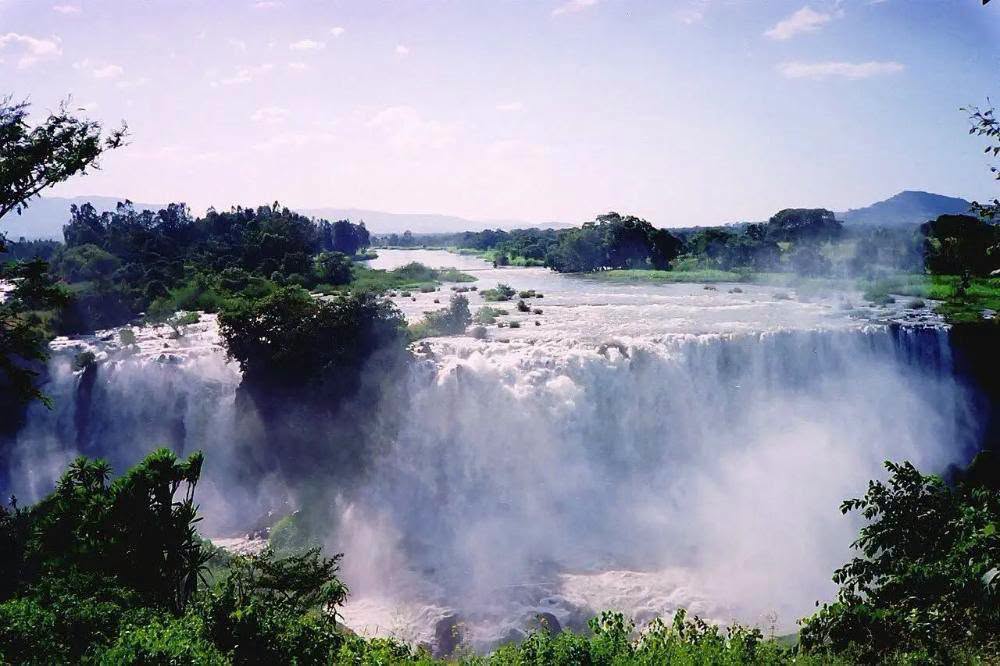
Addis Ababa, November 27, 2026 (FMC) – Prime Minister Abiy Ahmed has stressed that Ethiopia’s use of its natural water resources within its sovereign territory is a legitimate national right, while affirming the country’s resolve to protect its rivers and ensure that downstream nations’ water needs are respected.
Responding to questions during his parliamentary briefing on November 26, the Prime Minister pointed to Ethiopia’s environmental conservation efforts, particularly tree planting, as an important means of protecting rivers from depletion.
Referring specifically to the Abbay, he said the country plants trees to ensure that the river does not diminish and remains safeguarded for generations to come.
 These efforts are part of the Green Legacy Initiative, through which Ethiopia has planted more than 56 billion tree seedlings since 2019.
Much of the planting has taken place around major river basins, helping protect watersheds, limit soil erosion and sustain the natural systems that feed the country’s rivers.
This provides important context to the Prime Minister’s point that using water resources must be accompanied by efforts to preserve them.
He described the Abbay as a blessing granted to Ethiopia by God, making clear that the country would put its water resources to use without seeking anyone else’s blessing. The right to develop resources found within Ethiopia’s own territory, he maintained, does not require external approval.
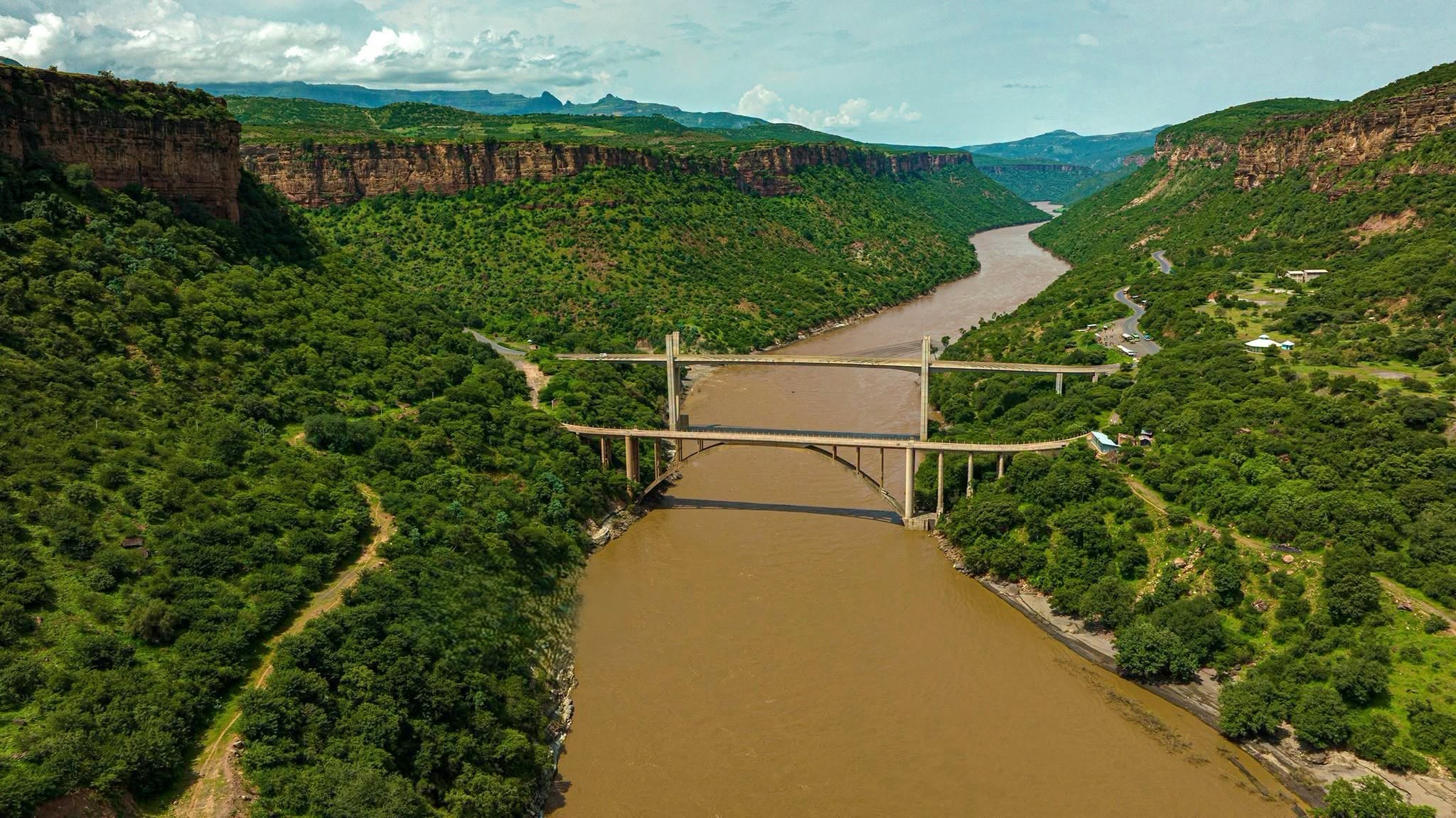 That position, however, does not mean disregarding the interests of countries downstream. The Prime Minister said Ethiopia recognizes their entitlement to water and is prepared to act responsibly to ensure that Egypt and Sudan, in particular, receive sufficient supplies.
He rejected the notion that Ethiopia seeks to benefit alone, emphasizing that the country is ready to cooperate with its neighbours so that water resources can be used in accordance with law.
Prime Minister Abiy also drew attention to Ethiopia’s wider role in meeting the freshwater needs of neighbouring countries, listing Eritrea, Somalia, South Sudan, Kenya, Sudan and Djibouti.
He noted that water reaches some of these countries through natural river systems, while infrastructure, including pipelines, is used where necessary to extend supplies. The examples illustrated his argument that Ethiopia’s water cooperation with its neighbours is not limited to the Nile basin.
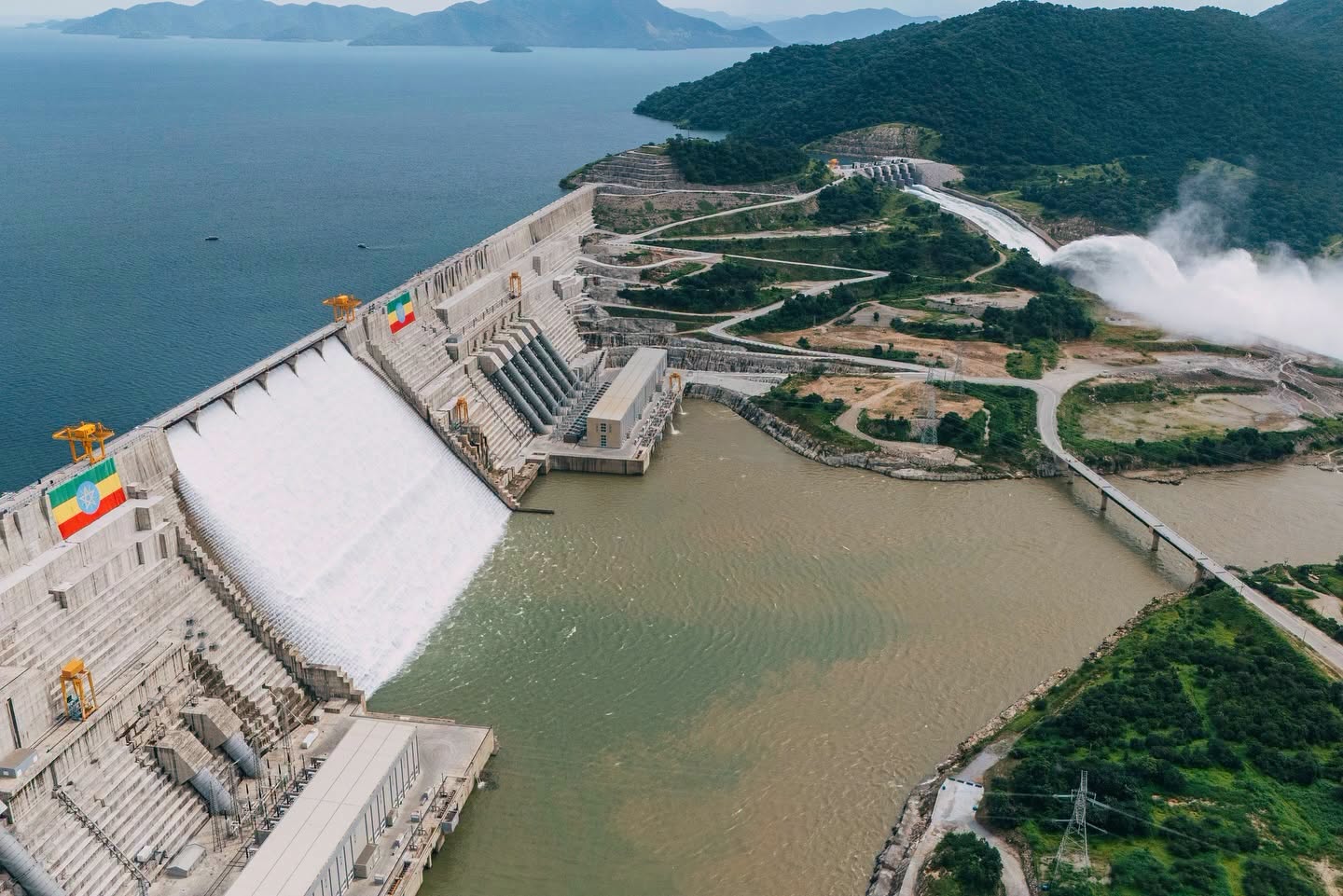 Against this background, he questioned why water-sharing should remain a point of contention between Ethiopia, Egypt and Sudan when the country maintains water relations with other neighbours.
The issue, he suggested, should be approached through cooperation and mutual benefit rather than treated as a contest in which one country’s development comes at the expense of another.
The Prime Minister also welcomed reports of expanding agricultural production in Egypt, saying Ethiopia wants to see its neighbour’s agriculture flourish and is willing to contribute through water cooperation.
In the same spirit, he expressed the expectation that Ethiopia’s energy sector would continue to grow, arguing that both countries—and the wider region—have opportunities to advance together.
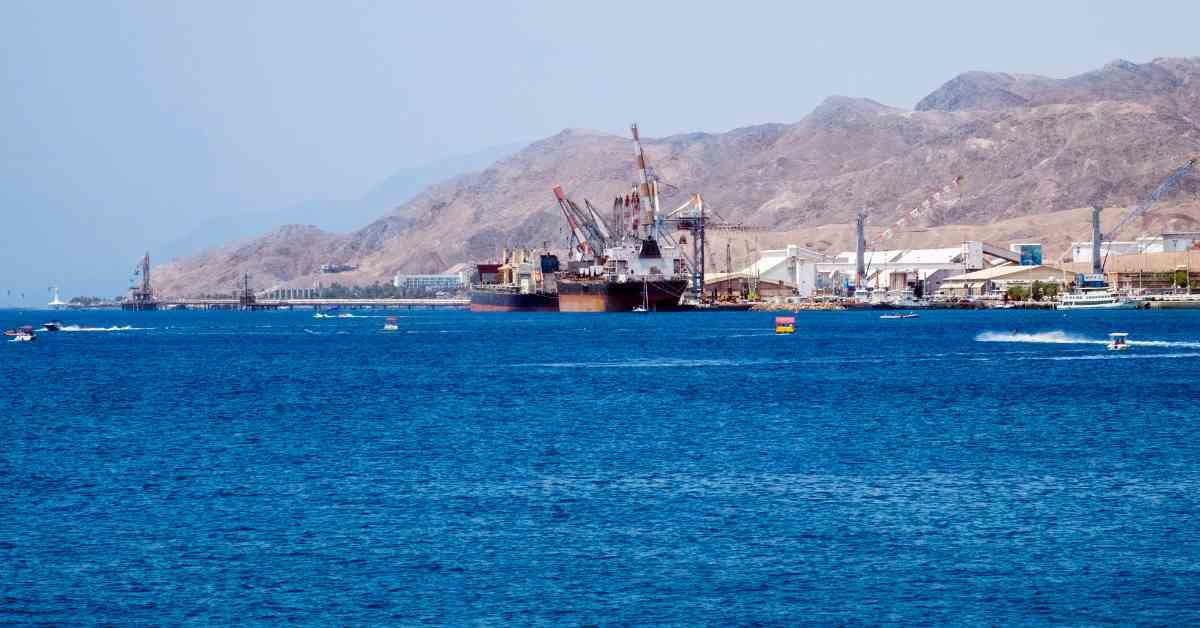 Turning to the Red Sea, Abiy stressed that Ethiopia seeks access through peaceful engagement and dialogue, not confrontation or war.
He pointed to the changing geopolitical landscape around the Red Sea, arguing that its status as a “shatter zone” — a region marked by prolonged strategic rivalry and instability — will not remain unchanged indefinitely. He suggested that this situation could come to an end within five, 10 or 15 years.
PM Abiy also noted that emerging maritime routes, particularly new routes through the Arctic, could reshape global shipping and reduce the strategic significance of the Red Sea passage in the coming years.
Referring to the possibility of a new route emerging within a decade, he indicated that the Red Sea may no longer occupy the same position in global trade and geopolitics.
Nevertheless, he maintained that Ethiopia will continue to need access to the sea and pointed to arrangements between Jordan and Saudi Arabia as an example of how countries can address access through negotiated agreements.
He stressed that the objective should not be to take advantage of one another, but to enable every country to develop and make productive use of its resources.