
Thailand Sees Deeper Ties with Ethiopia as a Springboard for Wider Africa-Asia Cooperation: DPM
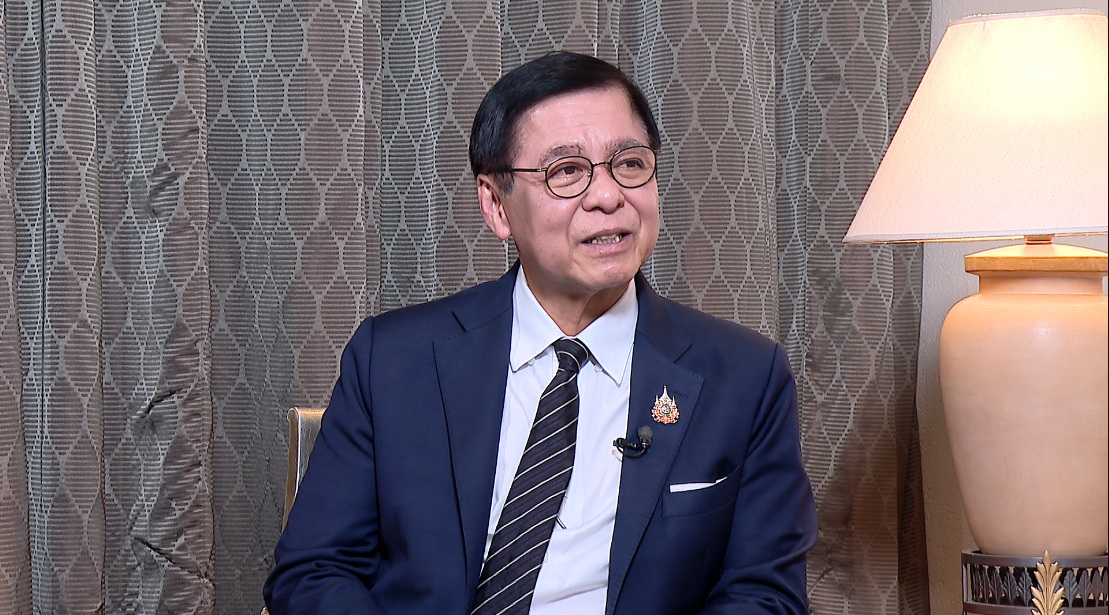
Addis Ababa, August 31, 2026 (FMC) — Thailand sees deeper ties with Ethiopia as a springboard for broader cooperation between Africa and Asia, with Addis Ababa offering an important platform for expanding Thailand’s engagement across the African continent, Deputy Prime Minister and Minister of Foreign Affairs Sihasak Phuangketkeow said.
Phuangketkeow made the remarks following his official visit to Ethiopia, identifying two strategic objectives for the visit: strengthening Thailand’s bilateral relationship with Ethiopia and expanding its engagement with Africa through the African Union (AU), headquartered in Addis Ababa.
During the visit, Ethiopia and Thailand signed a memorandum of understanding to establish regular high-level political consultations between the two countries.
The mechanism, he said, would reinforce political commitment and provide fresh impetus for expanding cooperation across multiple areas.
He also emphasized the importance of increased high-level contacts and exchanges of visits in further advancing bilateral relations.
Thailand has decided to establish an embassy in Addis Ababa with a resident ambassador who will represent Thailand in Ethiopia while also serving as Thailand’s representative to the African Union.
Phuangketkeow said the move would strengthen Thailand’s diplomatic presence in Africa and facilitate broader engagement with countries across the continent.
Thailand is also advancing its Thailand-Africa Initiative, which seeks to deepen economic, political and development partnerships with African countries. The initiative involves reaching out to new partners while further strengthening longstanding relationships.
Highlighting Africa’s growing economic and geopolitical weight, Phuangketkeow said the continent is increasingly home to emerging economies and has become an important voice in the Global South.
He further identified Ethiopia and Thailand as countries that could help build stronger bridges between the African Union and the Association of Southeast Asian Nations (ASEAN), which now has 11 member states following Timor-Leste’s accession and represents a market and political grouping of nearly 700 million people.
With the AU and ASEAN assuming increasingly influential roles in global affairs, he underscored the importance of stronger interregional cooperation in addressing shared challenges.
“We need to build bridges within regions and bridges across regions,” he said.
Phuangketkeow identified safeguarding the rules-based international order, preserving free trade and strengthening the multilateral trading system under the World Trade Organization (WTO) as areas where African and ASEAN countries could deepen cooperation.
He cautioned that the increasing use of tariffs and bilateral trade pressure as instruments of leverage could undermine the multilateral trading system.
The Thai Deputy Prime Minister and Foreign Minister also welcomed Ethiopia’s progress toward WTO accession, describing deeper integration into the international trading system as beneficial to the country’s economic development.
He said WTO accession would encourage Ethiopia to engage more actively with international trade rules and the global economy, as reported by local newswire service ENA.
Thailand, he added, is interested in expanding bilateral trade and investment with Ethiopia and sharing its development experience, particularly in industrialization and agricultural value addition.
“We want to see more economic ties, greater trade and more investment,” Phuangketkeow said, emphasizing that stronger economic growth in Ethiopia would create greater opportunities for businesses in both countries.