
The Pen, the Parchment and the Promise of a New Ethiopian Chapter
Addis Ababa, July 16, 2026 (FMC) — Nations are often shaped by the choices they make at defining moments. For Ethiopia, the National Dialogue represents one such moment — an opportunity to confront difficult questions of the past and imagine a future built on understanding, consensus and shared responsibility.
When Prime Minister Abiy Ahmed described the process as a “pen and parchment” placed in the hands of Ethiopians, he captured the essence of the journey: that history is not only inherited, but also written through the decisions of each generation.
The National Dialogue comes as Ethiopia seeks to address complex political questions that have influenced its national journey for decades. A country with an ancient civilization, rich traditions and remarkable diversity, Ethiopia has also experienced periods of instability, competing narratives and internal divisions.
Throughout its history, disagreements have sometimes evolved into confrontation, leaving behind challenges that continued to shape public life. The dialogue process seeks to introduce a different approach — one where differences are addressed through conversation, ideas and mutual respect.
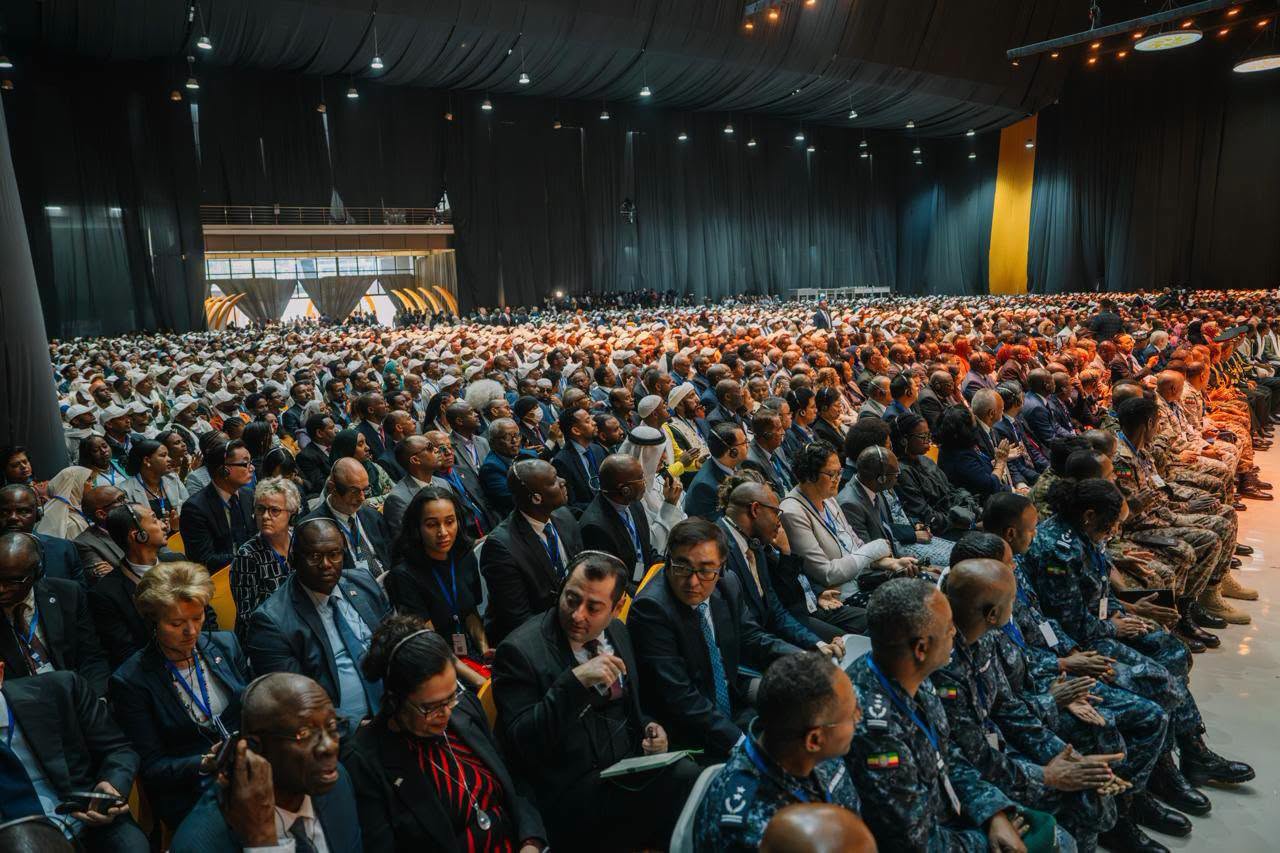
More than a conference, the National Dialogue is a broad national platform bringing together more than 4,000 representatives from across the country to discuss issues of national importance and seek areas of common understanding.
The process was built through extensive grassroots consultations, which helped identify eight major agenda pillars that now guide the national discussions. Women, youth, religious leaders, civic organizations and representatives from different communities have joined the conversation, making the process one of the widest public engagements in Ethiopia’s recent history.
The purpose is not to eliminate differences. In a diverse society like Ethiopia, differences are part of its identity. The challenge is creating a political culture where those differences can be managed peacefully and transformed into opportunities for cooperation.
Prime Minister Abiy Ahmed emphasized that Ethiopia must move beyond a political cycle where disagreements begin with strong rhetoric and end in conflict. The country’s future, he said, depends on strengthening a culture where dialogue takes precedence over confrontation.
He also highlighted the lessons of history, noting that internal divisions can weaken nations and create vulnerabilities. For Ethiopia, the message is clear: national strength is built not only through resources and institutions, but also through unity and the ability to resolve differences peacefully.
The significance of the process has drawn attention from continental and regional figures who see Ethiopia’s stability as important beyond its borders.
African Union Commissioner for Political Affairs, Peace and Security Bankole Adeoye praised the scale and inclusiveness of the National Dialogue, describing it as a significant step in Ethiopia’s pursuit of sustainable peace and development. He reaffirmed the African Union’s support, emphasizing the importance of Ethiopia’s stability for the wider continent.
IGAD Executive Secretary Workneh Gebeyehu also highlighted the importance of dialogue and homegrown solutions. He stressed that no country has built lasting progress through conflict, adding that Ethiopia’s own traditions of reconciliation and mediation can provide valuable pathways toward addressing internal challenges.
He emphasized that Ethiopia possesses deep historical experiences and indigenous mechanisms that can contribute to healing divisions and strengthening social cohesion.
Former Nigerian President and African Union Special Envoy for the Horn of Africa Olusegun Obasanjo brought lessons from Nigeria’s experience, warning that internal conflicts bring no benefit to societies and can cause lasting damage to national unity.
He commended Ethiopia’s efforts toward peace-building and said the National Dialogue has the potential to help create a stronger society united around a common vision.
Beyond the opening ceremony, the National Dialogue represents a broader question for Ethiopia: whether a nation with a complex history can transform its differences into the foundation of a stronger future.
Its success will depend not only on the discussions held around the table, but also on the commitment to carry forward the spirit of dialogue beyond the conference hall.
With the pen and parchment now placed in the hands of Ethiopians, the National Dialogue offers an opportunity to write a chapter shaped by understanding, consensus and a shared national vision.
The words written today may determine how future generations remember this moment — as the time Ethiopia chose dialogue as a pathway toward its future.