
𝐁𝐄𝐘𝐎𝐍𝐃 𝐂𝐎𝐋𝐎𝐍𝐈𝐀𝐋 𝐈𝐋𝐋𝐔𝐒𝐈𝐎𝐍𝐒: 𝐃𝐄𝐂𝐎𝐃𝐈𝐍𝐆 𝐂𝐀𝐈𝐑𝐎’𝐒 𝐃𝐑𝐎𝐔𝐆𝐇𝐓 𝐑𝐇𝐄𝐓𝐎𝐑𝐈𝐂 𝐀𝐍𝐃 𝐓𝐇𝐄 𝐔𝐍𝐘𝐈𝐄𝐋𝐃𝐈𝐍𝐆 𝐑𝐄𝐀𝐋𝐈𝐓𝐘 𝐎𝐅 𝐓𝐇𝐄 𝐀𝐁𝐁𝐀𝐘 𝐁𝐀𝐒𝐈𝐍
Addis Ababa, July 22, 2026 (FMC) — In its latest attempt to keep public anxieties artificially high and sustain international pressure, Cairo’s official information apparatus has turned to a familiar yet increasingly desperate narrative: weaponizing seasonal weather patterns to cast doubt on upstream management of the Abbay (Nile) Basin.
Recent commentary broadcast across Egyptian state-aligned media—attempting to link routine seasonal monitoring to speculative, alarmist “drought” scenarios—reveals a deeply ingrained political strategy. Instead of engaging with transparent scientific realities on the ground, official spokespersons continue to recycle alarming talking points that blame upstream operations for natural hydrological cycles, all while trying to mask domestic water management shortcomings behind the smoke screen of the Grand Ethiopian Renaissance Dam (GERD).
A rigorous look at the facts demonstrates that this manufactured drought narrative is entirely divorced from hydrological science, meteorological reality, and international legal norms.
The Reality on the Ground: Normal Rains and Fabricated Scenarios
The foundational premise of Cairo’s latest media campaign relies on insinuating water stress where none exists. Meteorological and hydrological reality completely contradicts these claims. Currently, Ethiopia is in the heart of its main rainy season (*Kiremt*), and peak monsoon precipitation is unfolding precisely as expected across the Ethiopian highlands.
Rather than facing any form of drought, the source basins of the Abbay are experiencing robust, natural seasonal flows. To fabricate reports of water deficits or blame upstream activities for nonexistent crises is a transparent distortion. The flow of the Nile is dictated by precipitation across the East African highlands—where the current wet season is progressing normally—not by sovereign upstream infrastructure designed to pull over 130 million Ethiopians out of energy poverty.
Responsible Operations: Proof of Non-Harm to Downstream Neighbors
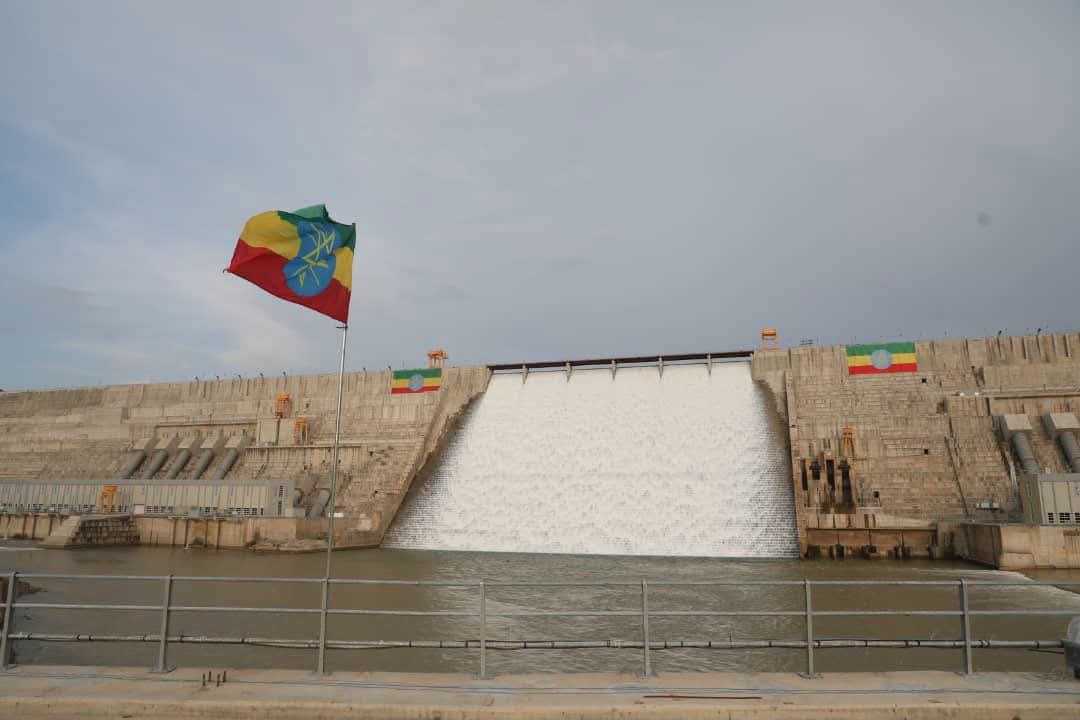
As Addis Ababa has consistently reiterated across every international and regional platform, Ethiopia operates the GERD with a deep, unwavering sense of responsibility toward its downstream neighbors, Sudan and Egypt. The dam is an engineered, non-consumptive hydroelectric infrastructure designed solely for clean power generation. Water utilized to spin its turbines is not consumed, diverted, or permanently stored away; it is released directly back into the riverbed.
In practice, the regulated operation of the GERD mitigates destructive seasonal flooding, traps heavy silt that historically plagued downstream infrastructure, and guarantees a steady, reliable flow of water through Sudan and into Egypt year-round, including during dry periods. Ethiopia’s operational track record proves that its development causes no significant harm to Egypt or Sudan, honoring both the letter and spirit of equitable, reasonable utilization.
Environmental Stewardship: Rehabilitating the Abbay Basin
Far from threatening downstream flows, Ethiopia has actively invested in the long-term ecological health of the entire river system. Through the national **Green Legacy Initiative**, Ethiopia has intentionally focused its massive tree-planting campaigns directly around the Abbay River basin and its main tributaries.
By planting billions of tree seedlings across these critical highland watersheds, Ethiopia is achieving profound environmental milestones:
* **Rehabilitating local ecosystems:** Restoring degraded land and aggressively combating soil erosion across the upper catchment areas.
* **Protecting water resources:** Reducing reservoir siltation, regulating surface runoff, and recharging underground aquifers that naturally supply the river system.
* **Securing hydrological continuity:** Ensuring that natural precipitation cycles remain resilient, thereby guaranteeing that the river’s steady flow—the “business as usual” upon which millions depend—continues uninterrupted for downstream states.
Shifting Blame Inward: The Real Crisis of Water Scarcity
The relentless focus on Ethiopia by Egyptian officialdom serves a transparent domestic purpose. Egypt faces severe structural water stress driven by rapid population growth, archaic agricultural flood-irrigation methods, high evaporation rates in open-air desert canals, and long-standing management inefficiencies. Rather than confronting these complex domestic challenges through comprehensive internal modernization, water conservation, and technological upgrades, Cairo’s political establishment finds enduring utility in externalizing its anxieties.
By projecting blame onto Ethiopia’s development, official media outlets attempt to unite domestic audiences against a manufactured external threat. But labeling standard upstream operations as an “existential crisis” does nothing to solve genuine regional water challenges. True water security in the modern era requires efficiency, conservation, and cooperative basin-wide frameworks—not endless public relations campaigns designed to preserve colonial-era privileges.
The Irreversible March of Basin-Wide Equity
For generations, downstream hydro-politics operated under the protection of 1929 and 1959 arrangements—pacts crafted in the colonial era that completely bypassed the consent or participation of Ethiopia, the sovereign source of over 85 percent of the river’s water.
Those days are permanently behind us. The operational reality of the GERD, coupled with the historic coming into force of the Cooperative Framework Agreement (CFA), has established a new legal and diplomatic baseline for the Nile Basin: one rooted in equitable and reasonable utilization, mutual respect, and shared prosperity. Upstream source nations will no longer accept a regional order that subordinates their basic human and developmental rights to the political anxieties of downstream capitals.
Ethiopia has consistently demonstrated patience, transparency, and a commitment to cooperative basin governance. Seasonal rainfall variations and natural hydrological cycles are global realities that demand scientific collaboration, not political posturing and hostile media narratives.
Cairo’s attempt to manufacture a drought crisis where none exists will not alter the physical geography of the basin, nor will it halt Ethiopia’s steady march toward economic sovereignty and energy self-reliance. The era of colonial entitlement is closed; the era of equitable partnership, ecological stewardship, and mutual respect across the Abbay Basin has arrived.