
𝗘𝗚𝗬𝗣𝗧’𝗦 𝗡𝗜𝗟𝗘 𝗣𝗔𝗥𝗔𝗡𝗢𝗜𝗔: 𝗪𝗛𝗘𝗡 𝗧𝗛𝗘 𝗦𝗢𝗨𝗥𝗖𝗘 𝗥𝗜𝗦𝗘𝗦, 𝗖𝗔𝗜𝗥𝗢’𝗦 𝗩𝗘𝗧𝗢 𝗦𝗜𝗡𝗞𝗦
1,718
Addis Ababa, August 29, 2026 (FMC) — Egypt’s recurring attempts to frame Ethiopia’s sovereign development of its water resources as a threat expose a deeper anxiety over the rise of the Nile’s principal upstream country, as Cairo continues to resist an emerging reality in which Ethiopia asserts its right to develop its resources while advocating cooperation among Nile Basin states.
For years, Egyptian political and media narratives have repeatedly portrayed Ethiopian water-development projects as matters of Egyptian national security, often implying that projects undertaken upstream should be subject to Cairo’s approval.
Such a posture, however, rests on a conception of the Nile that places the interests of one downstream state above the sovereign development rights of the other countries that share the basin.
Ethiopia’s position stands on a fundamentally different premise. It does not seek to deprive downstream countries of water, nor does it advocate unilateral control over the Nile.
Rather, it maintains that the river should be managed through consultation, cooperation and equitable and reasonable utilization, while each basin state retains its legitimate right to pursue development for its people.
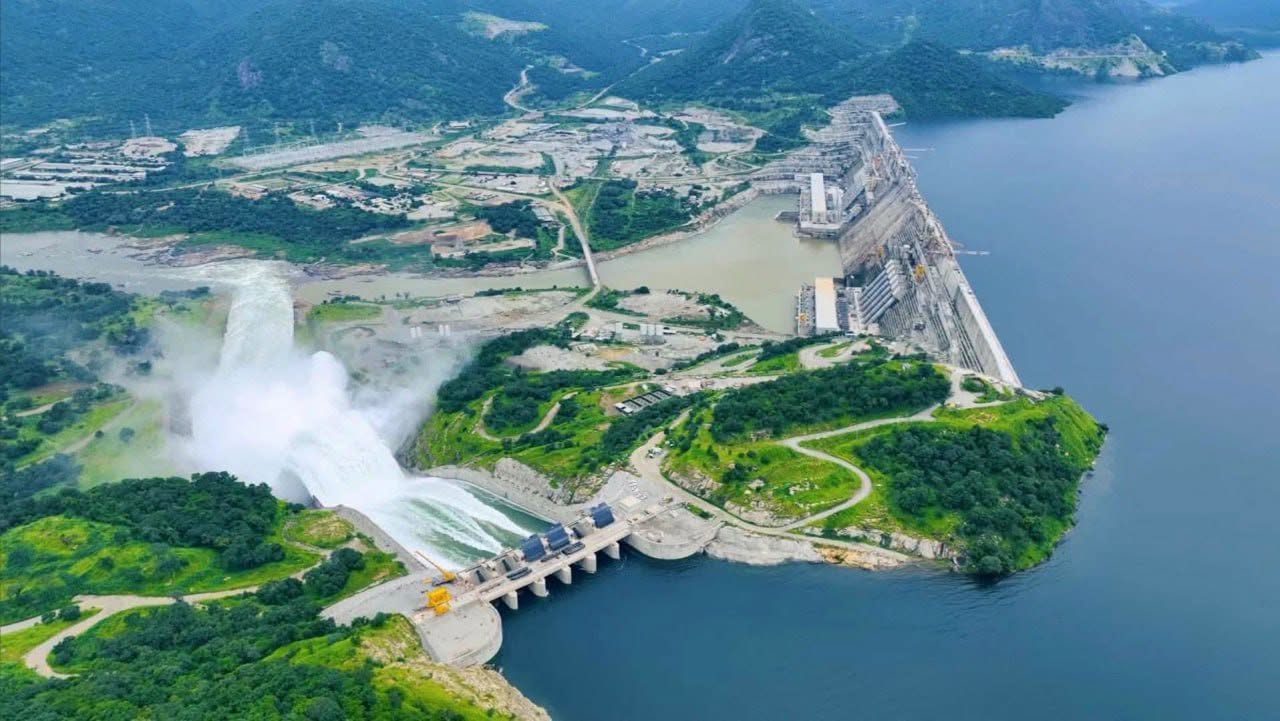
The Grand Ethiopian Renaissance Dam (GERD) has already demonstrated the substance of that position. Built primarily for hydropower generation, the project represents Ethiopia’s determination to transform its enormous water resources into electricity, economic productivity and broader development.
Its construction has not been premised on diverting the Nile away from downstream countries, but on utilizing a resource whose overwhelming share originates in the Ethiopian highlands.
More than 86 percent of the Nile’s waters originate in Ethiopia, making the country central to the river’s hydrological system. Yet the very country from which the bulk of the water originates has historically remained one of the least able to convert that resource into the energy and economic opportunities needed by its population.
That imbalance is increasingly difficult to defend.
Ethiopia remains at an early stage of exploiting its water resources for development. Additional dams and other water infrastructure are therefore part of a broader national development trajectory rather than an attempt to wage a water war against downstream countries.
Many such projects are designed principally for hydropower, allowing water to generate electricity as it moves through the river system without necessarily constituting additional consumptive use.
Indeed, properly designed and managed infrastructure can improve the regulation of river flows, reduce losses and generate electricity that can support wider regional economic integration.
Ethiopia’s expanding power-generation capacity could ultimately benefit neighboring countries, including Egypt, through regional electricity trade and interconnected economic activity.
Yet Cairo repeatedly presents Ethiopia’s development as though the upstream country were required to remain economically constrained to preserve Egypt’s preferred status quo.
This is where Egypt’s Nile narrative begins to reveal a deeper contradiction.
A sovereign state cannot demand recognition of its own national interests while denying another sovereign state the same right. Egypt cannot invoke national security to defend its interests and simultaneously treat Ethiopia’s development priorities as inherently illegitimate.
Nor can historical arrangements forged under entirely different political circumstances be invoked indefinitely as an instrument for preventing the upstream countries from developing their own resources.
The issue is therefore larger than the GERD.
It concerns whether the Nile will remain governed by a hierarchy in which downstream interests are treated as permanent privileges, or whether the basin will move toward a framework based on shared responsibility, equitable utilization and mutual benefit.
Ethiopia has repeatedly made its position clear: its development will continue.
The country’s water resources cannot remain indefinitely untapped while millions of Ethiopians confront energy shortages, poverty and the developmental consequences of inadequate infrastructure.
Ethiopia’s geography has endowed it with enormous water resources, but geography alone does not generate electricity, industry or prosperity. Those resources must be responsibly developed.
This reality also exposes the weakness of attempts to portray Ethiopia’s ambitions as an act of hostility toward Egypt.
The Ethiopian argument is not that downstream countries have no interests. It is precisely the opposite: the interests of all Nile Basin countries must be recognized.
Sustainable management of a transboundary river cannot be achieved by granting one state an effective veto over another state’s development.
Nor can the future of the basin be secured through perpetual confrontation, diplomatic pressure or attempts to mobilize external powers against Ethiopia.
The more Egypt seeks to prevent Ethiopia from developing, the more difficult it becomes to sustain the narrative that Cairo’s position is solely about protecting water security.
Ethiopia’s economic transformation, expanding diplomatic reach, growing regional influence and pursuit of wider economic integration are changing the strategic landscape of the Horn of Africa.
The rise of Ethiopia is therefore not something the Nile can be used to reverse.
It is a reality that the region must accommodate.
For Ethiopia, the answer is neither confrontation nor isolation. Addis Ababa continues to advocate dialogue, cooperation and mutually beneficial arrangements among Nile Basin countries.
But cooperation cannot mean surrender, and dialogue cannot mean granting one country authority over another’s sovereign development choices.
The Nile should connect its basin rather than divide it.
Its waters should support development rather than become an instrument for preserving political privilege.
Its immense potential should generate electricity, agriculture, industry and regional prosperity rather than perpetuate disputes rooted in the assumption that the upstream country must remain permanently restrained.
Egypt therefore faces a choice of its own.
It can continue treating Ethiopia’s development as a threat and attempt to preserve a status quo that increasingly conflicts with the realities of the basin.
Or it can recognize that a prosperous and energy-secure Ethiopia need not be an adversary, but can become a powerful partner in building a more integrated and prosperous Nile region.
The source is rising—not against the downstream countries, but through its own development.
And no amount of pressure can permanently turn Ethiopia’s legitimate aspirations into a crime.
The Nile can flow downstream without Ethiopia standing still.
That is the reality Cairo must ultimately confront.