
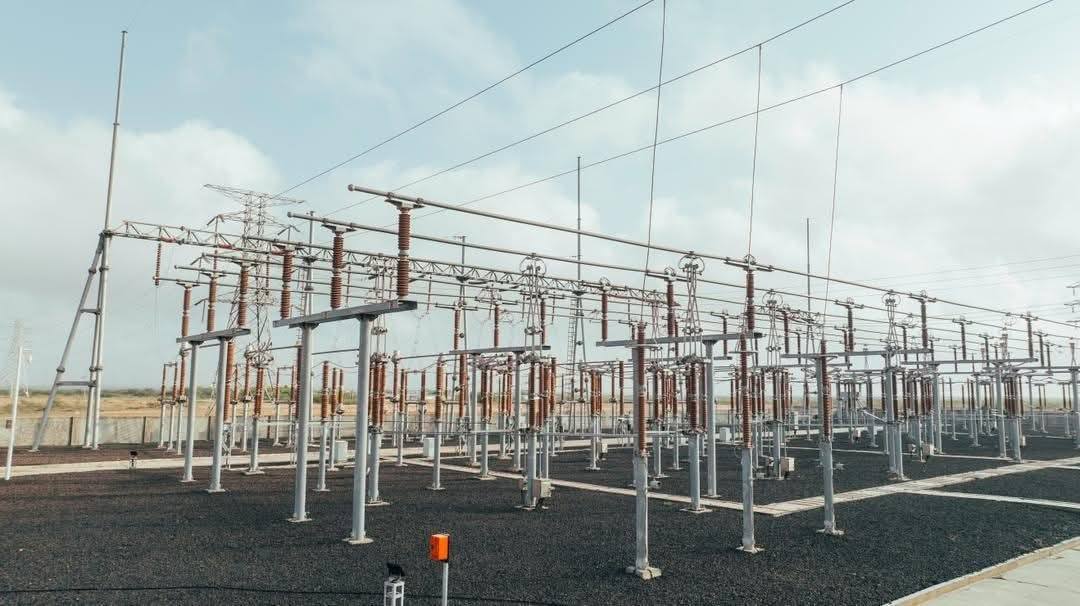
Ethiopia eases global energy shock through strategic renewable energy investments, GCS says
Addis Ababa, April 29, 2026 (FMC) – Ethiopia has been able to ease the impact of global energy supply disruptions, largely due to sustained investments in renewable energy over the past eight years, the Government Communication Service (GCS) said.
In a statement issued this morning, GCS said developments in hydropower, wind, solar, and geothermal energy have contributed to strengthening the country’s energy resilience amid ongoing global fuel supply challenges triggered by the conflict in the Middle East and constraints on oil flows through the Strait of Hormuz.
The statement noted that the situation has strained global fuel supply chains, with some countries experiencing fuel shortages and rising socio-economic pressures.
According to GCS, flagship projects such as the Grand Ethiopian Renaissance Dam (GERD), along with the gradual expansion of electric vehicle use, are supporting national energy stability and have helped the country avoid more severe economic strain.
The GCS further indicated that the Gode oil refinery is expected to reinforce Ethiopia’s overall energy capacity in the coming period.
To cushion the impact of rising global fuel prices, the government is currently providing fuel subsidies, using resources redirected from planned development expenditures. However, GCS cautioned that these subsidies should not be diverted to illegal activities, including contraband and black-market fuel trade.
Emphasizing that fuel smuggling undermines economic stability, the statement said the government will continue taking measures in coordination with relevant institutions and the public.
GCS also called on citizens to use fuel responsibly and support efforts to curb illegal trade, noting that ongoing efforts to strengthen energy capacity are important for the country’s long-term economic stability.