
Ethiopia’s Healthcare Transformation Advances Toward Greater Self-Reliance, PM Abiy Says
Addis Ababa, July 8, 2026 (FMC) — Prime Minister Abiy Ahmed (PhD) said Ethiopia’s healthcare transformation is advancing toward greater self-reliance, citing expanded domestic pharmaceutical production, improved medical infrastructure and strengthened preventive health services as major areas of progress.
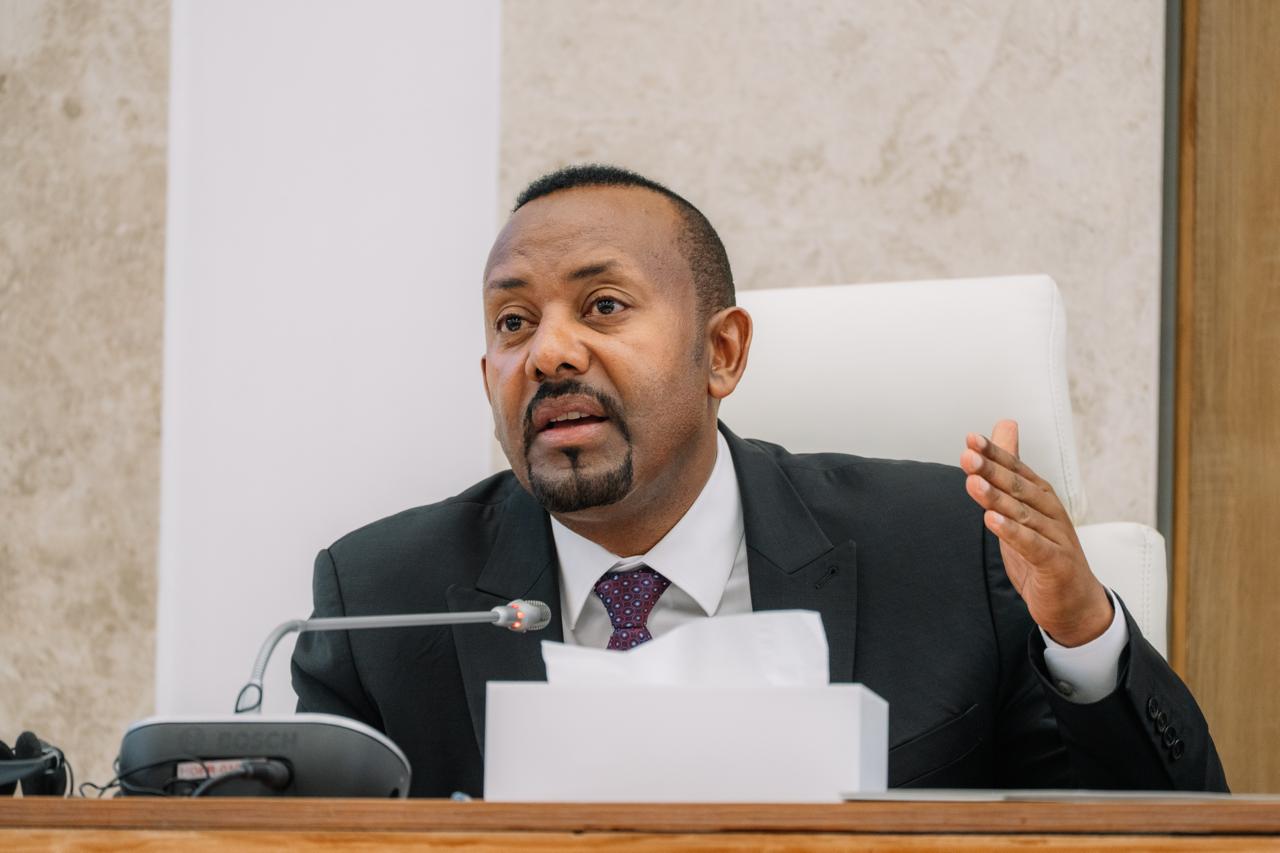
The Prime Minister made the remarks yesterday while responding to questions from members of the House of Peoples’ Representatives during its 30th regular session of the fifth year of its term, where he highlighted the government’s performance during the 2018 Ethiopian fiscal year.
Prime Minister Abiy said Ethiopia has made significant strides in strengthening its healthcare capacity by expanding local medicine production, enhancing medical facilities and improving access to essential health services.
He noted that domestic pharmaceutical production capacity has increased from 4 percent to 44 percent, describing the progress as an important step toward reducing reliance on imported medicines. He added that locally manufactured medicines are being produced in line with international standards to improve their acceptance and competitiveness.
The Prime Minister also highlighted major investments made to strengthen healthcare delivery, stating that 70 billion birr was allocated for medicine procurement and more than 60 billion birr was spent on medical equipment.
He said the expansion of healthcare infrastructure has continued with the inauguration of several hospitals in recent months, while additional facilities are expected to be completed in the near future. Among the priority projects, he mentioned the new building of St. Paul’s Hospital, which has expanded the institution’s capacity by 1,000 beds.
Beyond improving treatment capacity, Prime Minister Abiy said Ethiopia is also strengthening preventive healthcare services through coordinated national interventions.
He noted that 14 million insecticide-treated bed nets have been distributed as part of malaria prevention efforts, while indoor residual spraying has been conducted in 3 million households. He further said vaccination services have been introduced for the first time in 58 woredas that previously lacked access to immunization.
Prime Minister Abiy said Ethiopia’s long-term objective is to develop modern healthcare facilities capable of delivering services at higher standards, while continuing to build domestic capacity and improve the quality of healthcare services nationwide.