
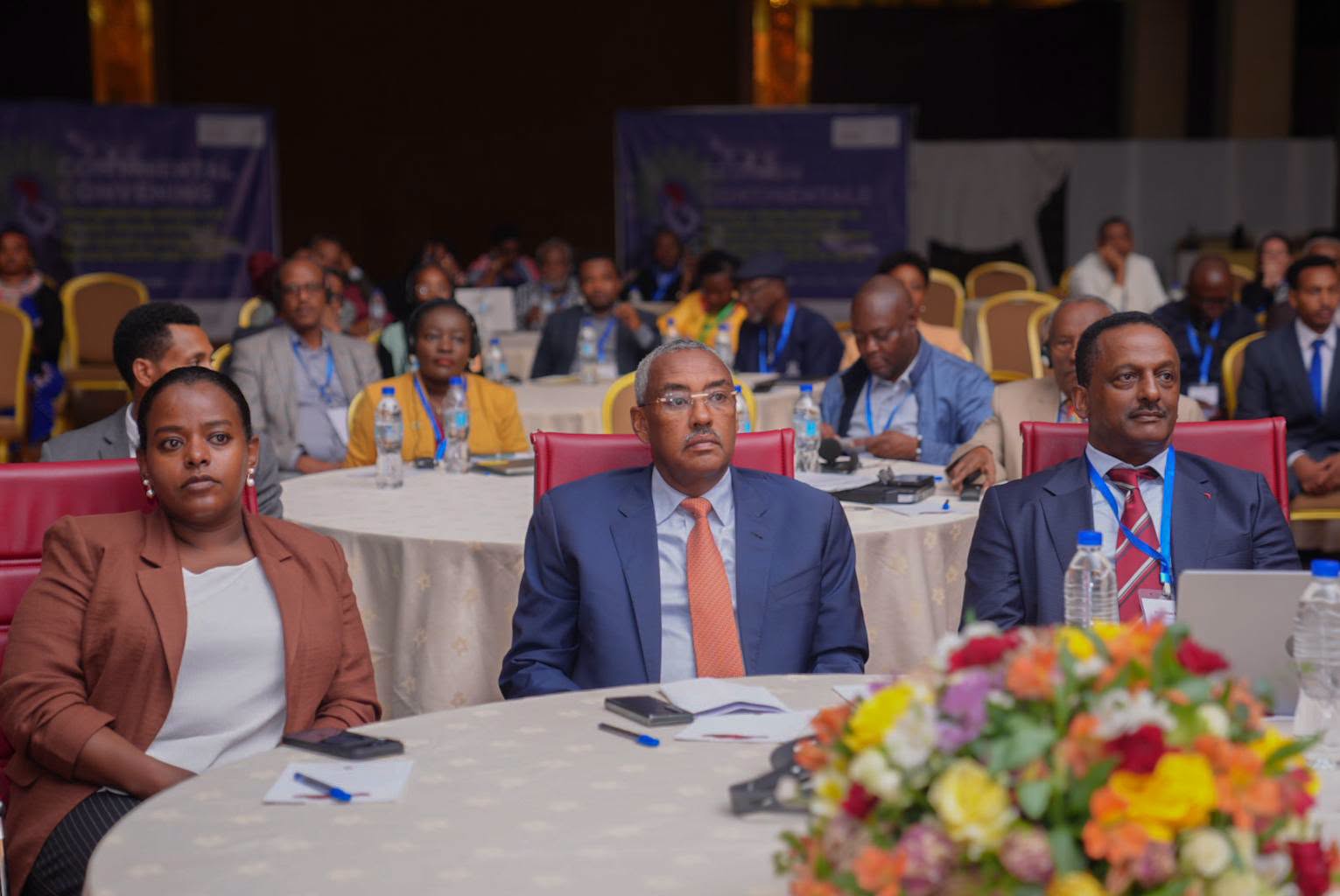
Ethiopia’s Climate Action Offers African Food Systems a Model for Resilience, Officials Say
Addis Ababa, September 7, 2026 (FMC) — Ethiopia’s growing focus on climate-resilient agriculture, agroecology, ecosystem restoration and inclusive rural development is offering practical pathways for strengthening Africa’s food systems against intensifying climate pressures, officials and climate actors said Monday.
The remarks came as a three-day continental convening opened in Addis Ababa, bringing together farmers, pastoralists, fisherfolk, Indigenous communities, women and youth networks, researchers, civil-society organizations, government representatives and climate negotiators to advance coordinated African action on food systems and agriculture ahead of COP31 and the UN climate conference scheduled to take place in Addis Ababa next year.
The gathering is working toward a unified African civil-society position, concrete policy priorities and a coordinated roadmap that can carry community-level concerns into international climate negotiations.
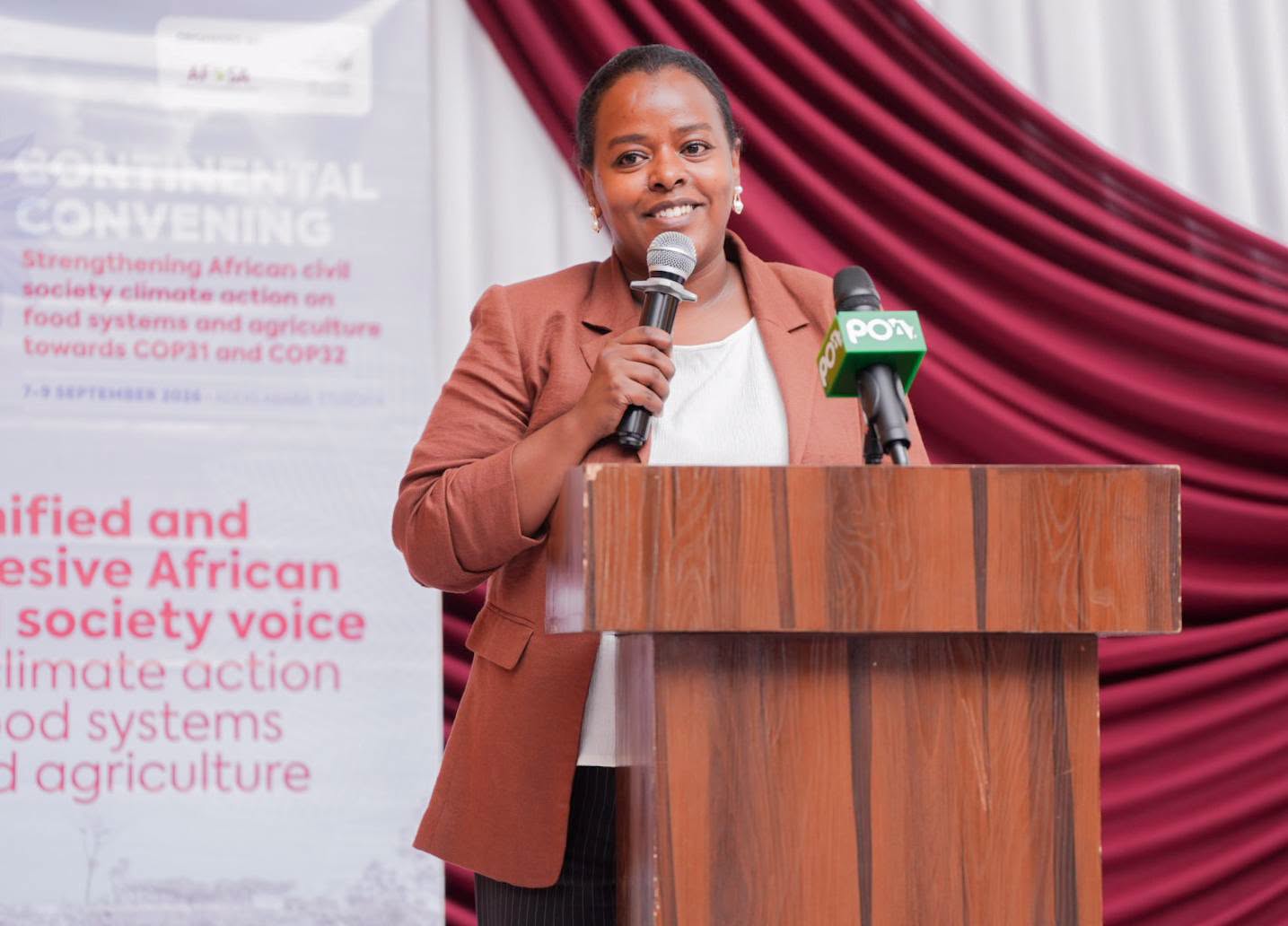
Speaking on behalf of Planning and Development Minister Fitsum Assefa, Ministry Chief of Staff Hana Abebe said Africa’s engagement in the global climate process must be grounded in the realities of communities facing drought, floods, shifting rainfall patterns and land degradation.
She highlighted climate-resilient agriculture, agroecology, ecosystem restoration and inclusive rural livelihoods as key areas through which climate action can simultaneously protect vulnerable communities, strengthen food security and support Africa’s broader economic transformation.
Hana stressed that African civil society has an important role in bringing community knowledge, evidence and accountability into climate policymaking, while urging stronger coordination among governments, civil-society organizations, research institutions and development partners.
She said the Addis Ababa convening should translate the continent’s diverse experiences into coordinated priorities and actionable outcomes, with women, youth, farmers, pastoralists and Indigenous communities given meaningful roles in shaping climate policies rather than being treated merely as beneficiaries.
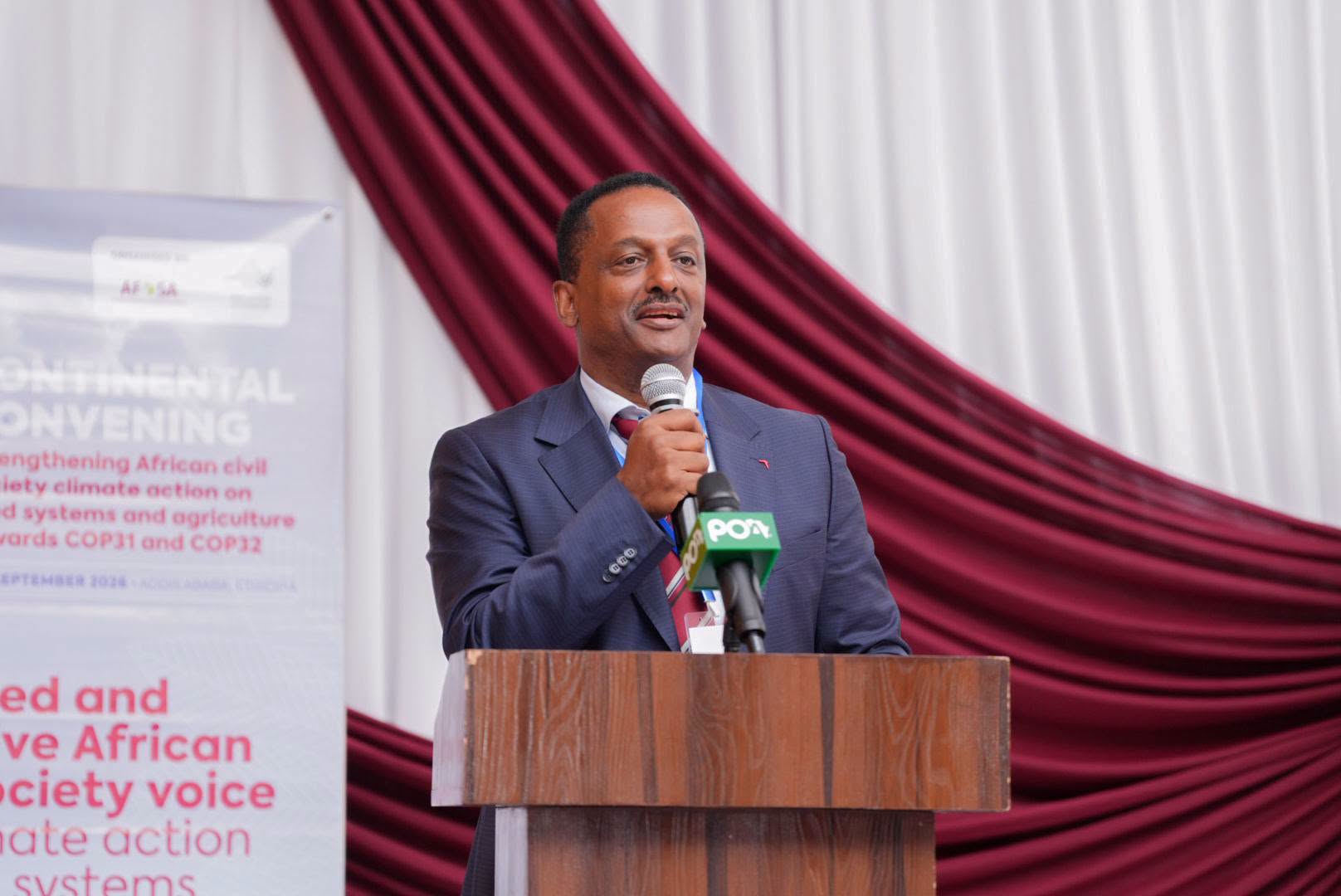
AFSA General Coordinator Dr. Million Belay, meanwhile, placed the food and climate debate within a broader question of who controls Africa’s agricultural future.
He said climate change was already reshaping planting and harvesting patterns, pastoralists’ access to water, food distribution and household affordability, while droughts, floods, rising temperatures and land degradation were placing mounting pressure on livelihoods and nutrition.
Million argued that the continent’s climate challenge is also a question of power, including who controls land, seeds, technology, markets and finance and whose solutions receive political and financial backing.
He called for farmers, pastoralists, women, youth and Indigenous Peoples to be treated as rights-holders and leaders in climate and food-system transformation, rather than merely as recipients of externally designed interventions.
He particularly promoted agroecology, farmer-managed seed systems, soil restoration, biodiversity, Indigenous knowledge, territorial markets and locally rooted food systems as African-led approaches capable of strengthening resilience.
The emphasis on food systems comes as climate change increasingly affects not only agricultural production but also nutrition, livelihoods, local economies and the affordability and quality of food across Africa.
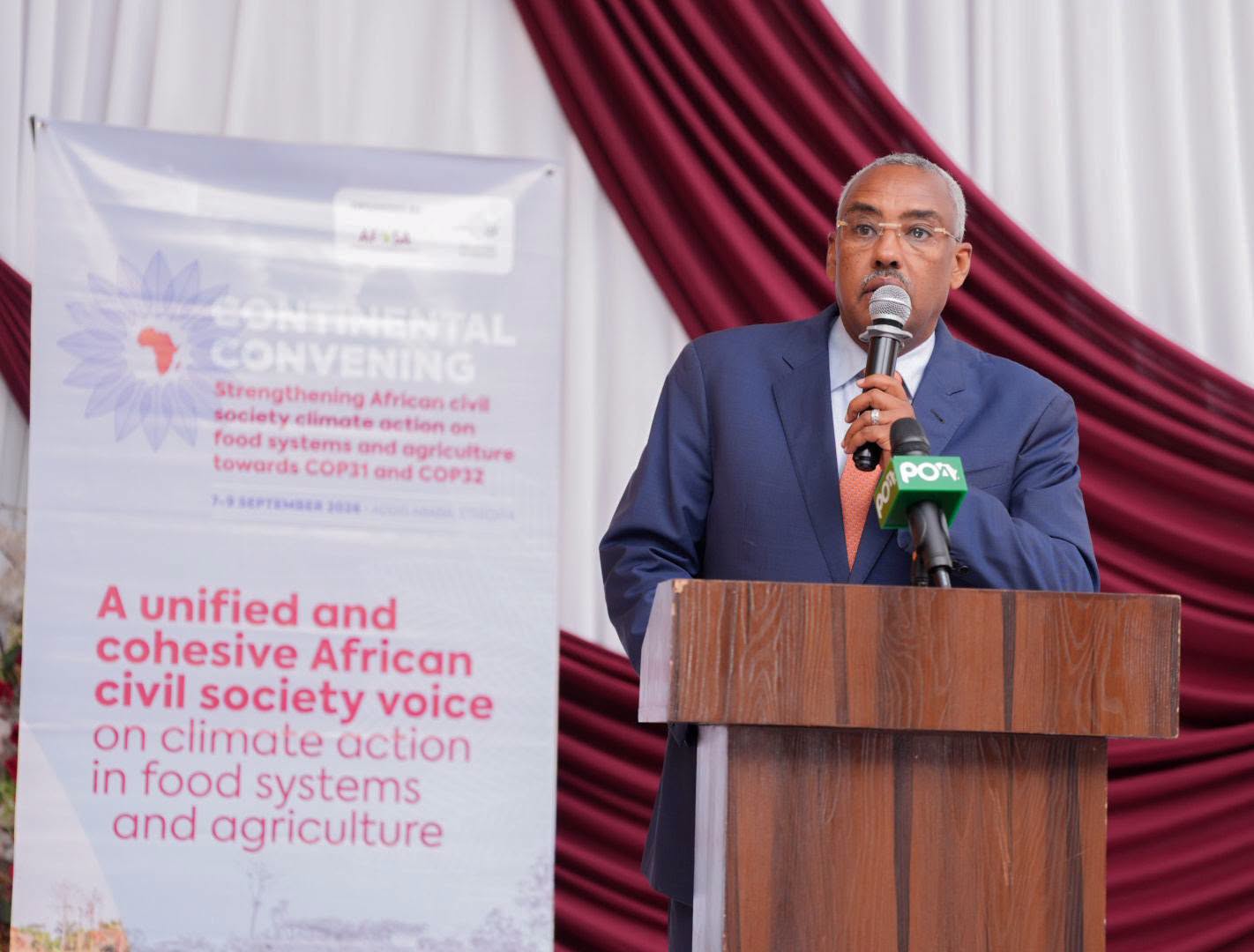
Demeke Mekonnen, Nutrition Ambassador and former Deputy Prime Minister of Ethiopia, warned that climate change must be understood beyond changes in temperature and rainfall, saying its consequences are increasingly visible in the food available on African families’ plates.
Droughts that destroy crops, floods that wash away harvests, declining livestock herds and changing aquatic ecosystems can rapidly become nutrition and health crises, particularly for children, women and vulnerable households, he said.
Demeke argued that nutrition should be treated as a frontline indicator of climate impact and a measure of climate justice, rather than as a consequence to be addressed after climate shocks occur.
He also called for resilient food systems and nutrition-sensitive adaptation to be placed at the center of climate planning and financing, stressing the need for African countries to advance a coherent position rather than allowing fragmented initiatives to weaken their influence in global negotiations.
The call for a stronger African voice was reinforced by Dr. Antwi-Boasiako Amoah, Chair of the African Group of Negotiators, who warned that simply hosting a major climate conference on African soil would not by itself guarantee outcomes that serve African priorities.
He urged African stakeholders to ensure that the continent’s priorities, evidence and solutions shape the international climate agenda, particularly on adaptation, finance and food systems.
Amoah said developing countries face an enormous adaptation-finance gap, with annual needs estimated at between 310 and 365 billion US dollars by 2035 compared with only about 26 billion dollars delivered in 2023.
He challenged participants to emerge from the three-day gathering with a concise and unified civil-society position, precise policy demands linked to negotiating issues, an African evidence package, a coordinated engagement roadmap and a public accountability mechanism to track commitments and progress.
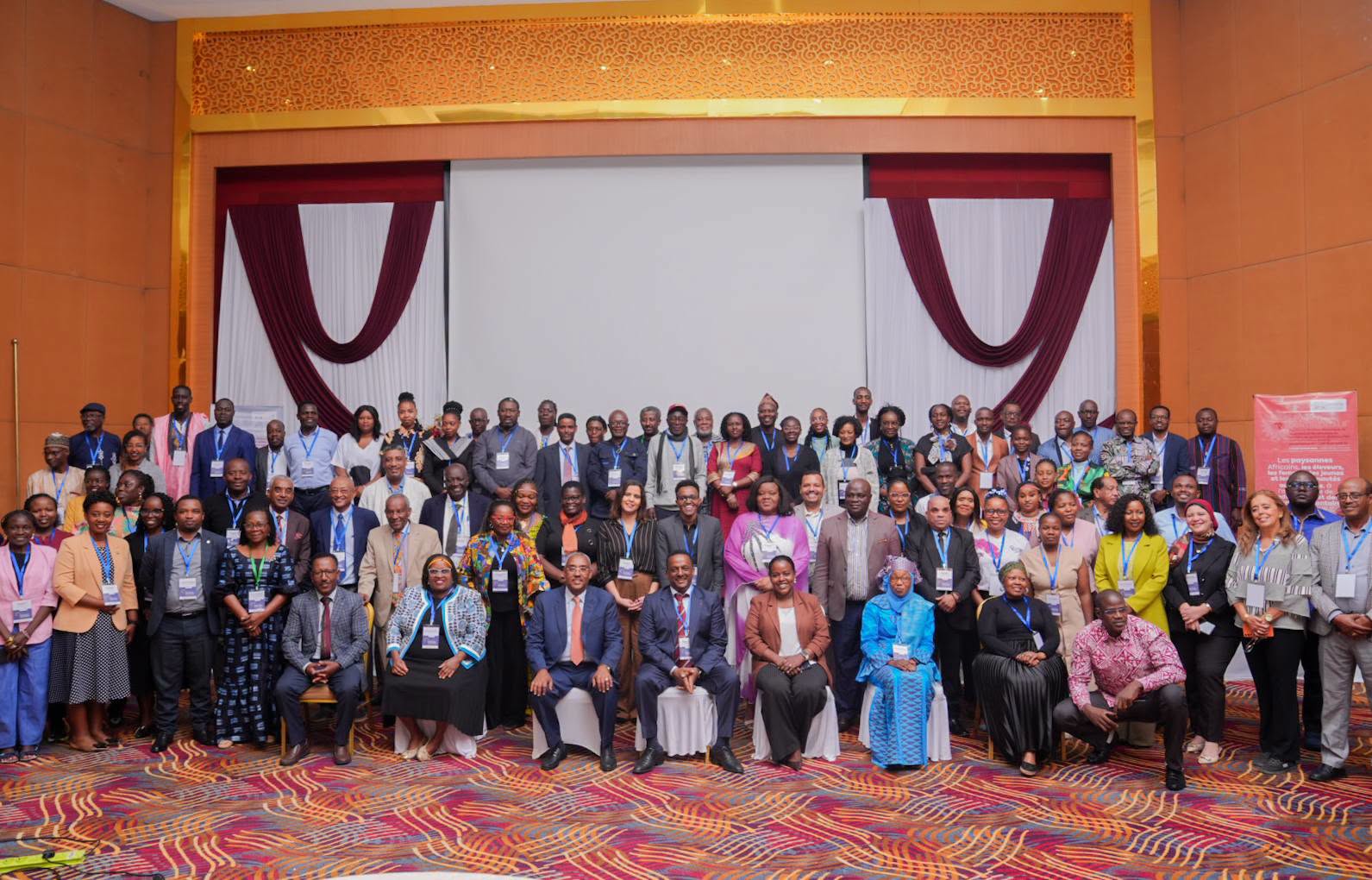
The three-day convening is expected to consolidate these perspectives into a common civil-society position and coordinated advocacy agenda, with participants examining adaptation, nutrition, food sovereignty, gender, youth participation and climate finance.
The event, organized by the Alliance for Food Sovereignty in Africa in collaboration with Ethiopia’s Ministry of Planning and Development, runs through September 9 in Addis Ababa and brings together more than 100 participants from across the continent.
For Ethiopia, the discussions provide an opportunity to place its climate-resilience experience within a broader African conversation on transforming food systems while demonstrating how climate action can be linked with agricultural productivity, ecosystem restoration, rural livelihoods and food security.
The emerging message from the gathering is that Africa’s climate response cannot be separated from the future of its food systems—and that durable resilience will depend increasingly on African knowledge, locally grounded solutions, coordinated policy action and finance that reaches the communities confronting climate impacts directly.