
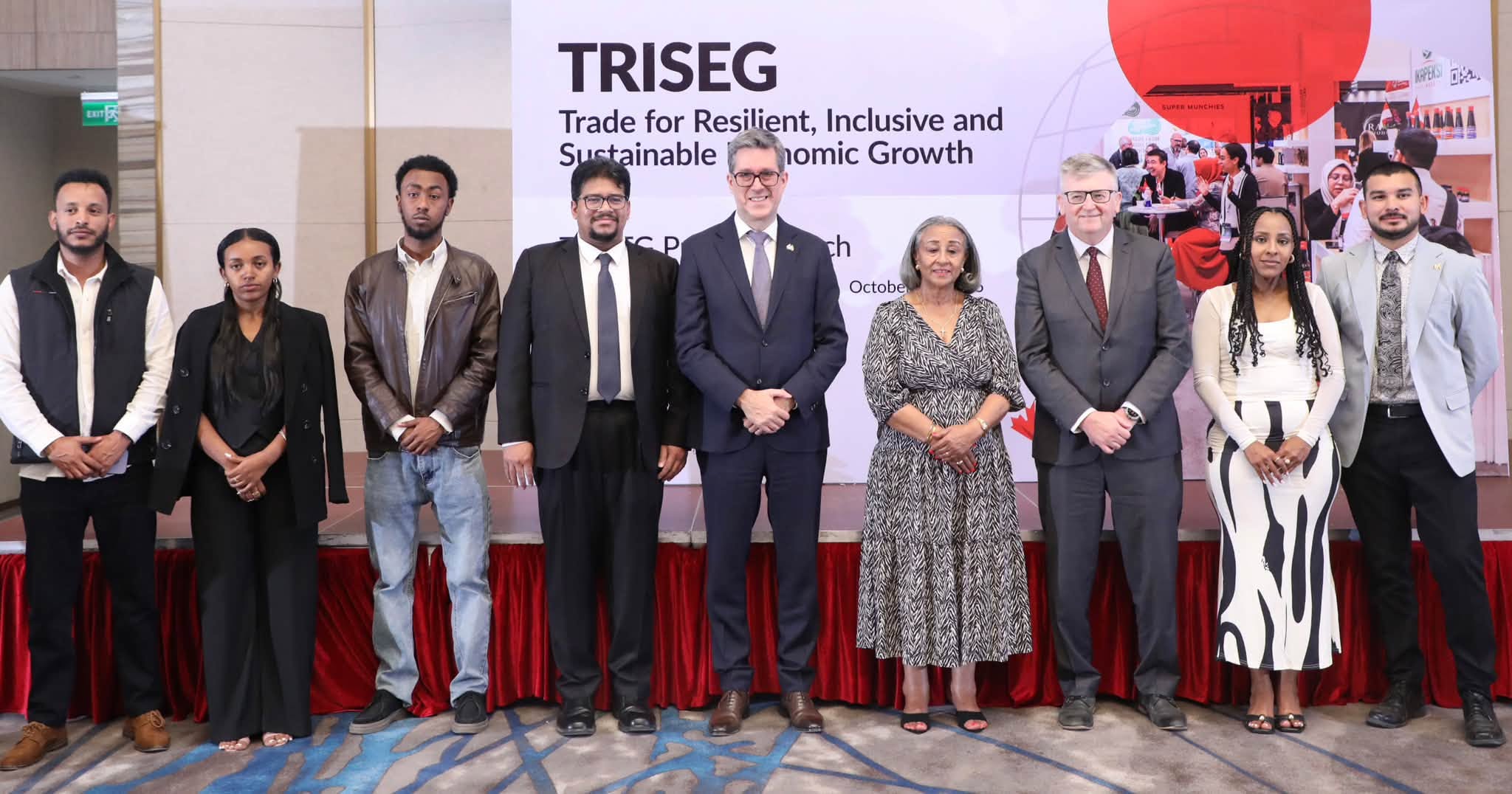
Canada-Backed TRISEG Project to Strengthen Ethiopian SMEs’ Global Competitiveness and Export Capacity
Addis Ababa, October 20, 2026 (FMC) – Ethiopia’s small and medium-sized enterprises (SMEs), particularly women-owned businesses and enterprises led by under-represented groups, are set to receive expanded support to overcome export barriers, improve their competitiveness and access international markets under a new five-year initiative launched in Addis Ababa.
The Trade for Resilient, Inclusive and Sustainable Economic Growth (TRISEG) project, implemented in Ethiopia by the Center for Accelerated Women’s Economic Empowerment (CAWEE) in partnership with the Trade Facilitation Office (TFO) Canada, aims to strengthen businesses’ capacity to compete in international trade, with a focus on processed food and fashion accessories.
The initiative, funded by Global Affairs Canada, will run from 2026 to 2030 and support 200 Ethiopian SMEs. It forms part of a wider programme being implemented in 16 countries across Africa, Asia and Latin America, with an overall budget of 15.4 million U.S. dollars and a target of supporting 3,200 SMEs. Two-thirds of the businesses covered by the broader programme are expected to be owned or led by women and under-represented groups.
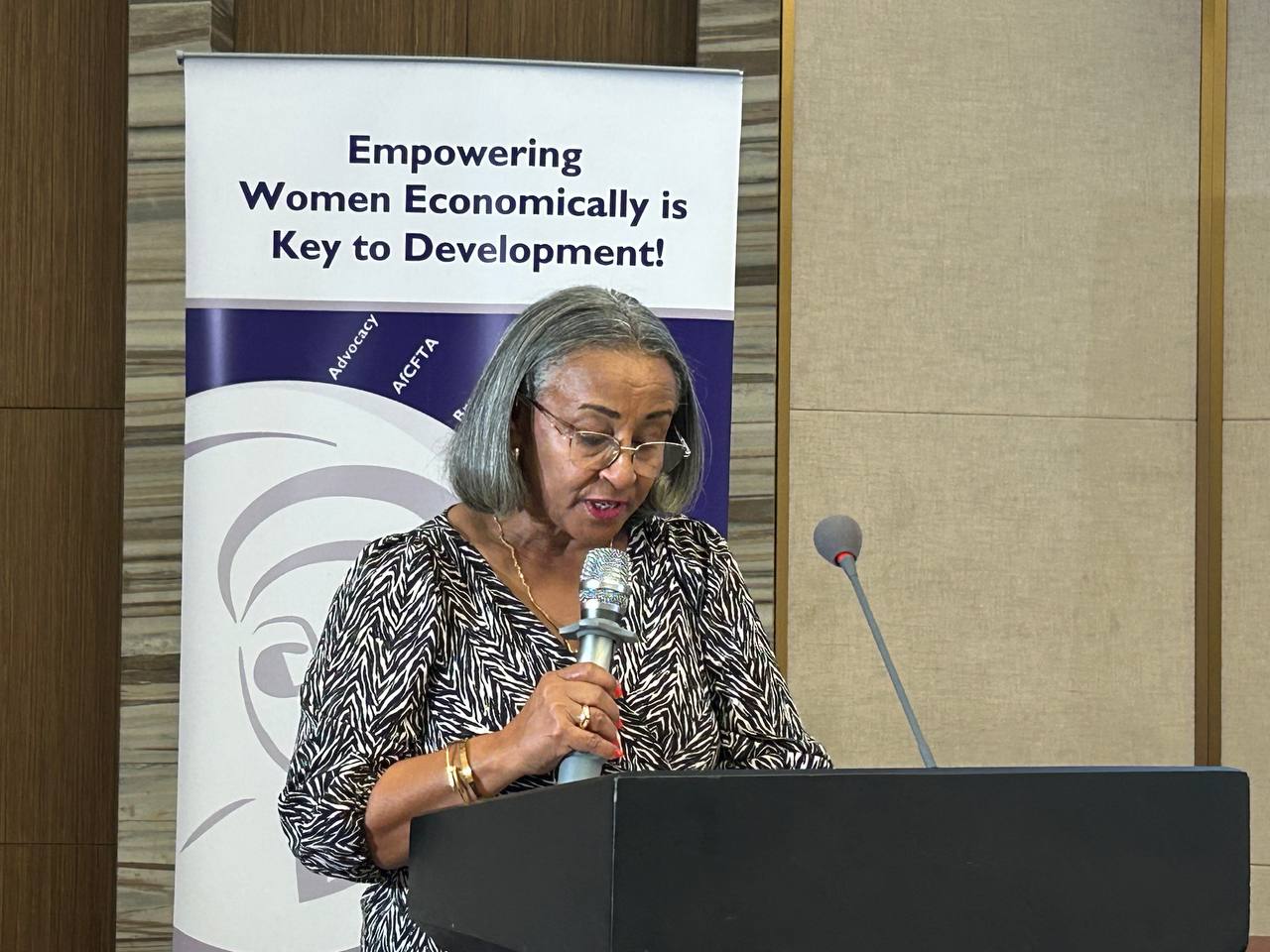
Speaking at the project’s official launch on October 20, CAWEE Founder and Executive Director Nigest Haile said TRISEG builds on earlier efforts to help women entrepreneurs enter export markets while addressing persistent obstacles that prevent businesses from translating their products and production capacity into sustainable international trade.
She identified limited access to finance, insufficient digital capabilities, difficulties meeting export standards, inadequate market information and weak connections with international buyers among the barriers facing SMEs. Climate-related risks also pose challenges to business continuity and long-term competitiveness.
The project will address these constraints through four main areas of intervention: export readiness and market access, digital strategies and tools, environmental sustainability and climate resilience, and opportunities to explore financing for climate adaptation and resilience.
Under the export-readiness component, participating businesses will receive support to better understand international market requirements, prepare their products and operations for export, and establish connections with potential buyers. The initiative will also help enterprises improve their digital presence and visibility, use online tools more effectively and explore opportunities in Canada and other international markets.
Its environmental and climate-related components are intended to help businesses identify risks, adopt more sustainable practices and strengthen their resilience to climate impacts. The project will also explore opportunities for SMEs to access financing for adaptation and resilience measures.
Dr. Nigest said experience from previous support programmes had demonstrated that digital visibility alone was not enough to secure lasting export success. Businesses also need sound management systems, access to finance, quality assurance, compliance with export requirements and reliable links to buyers.
The new initiative therefore seeks to connect improvements within individual enterprises with the wider services and institutional support needed to compete in international markets.
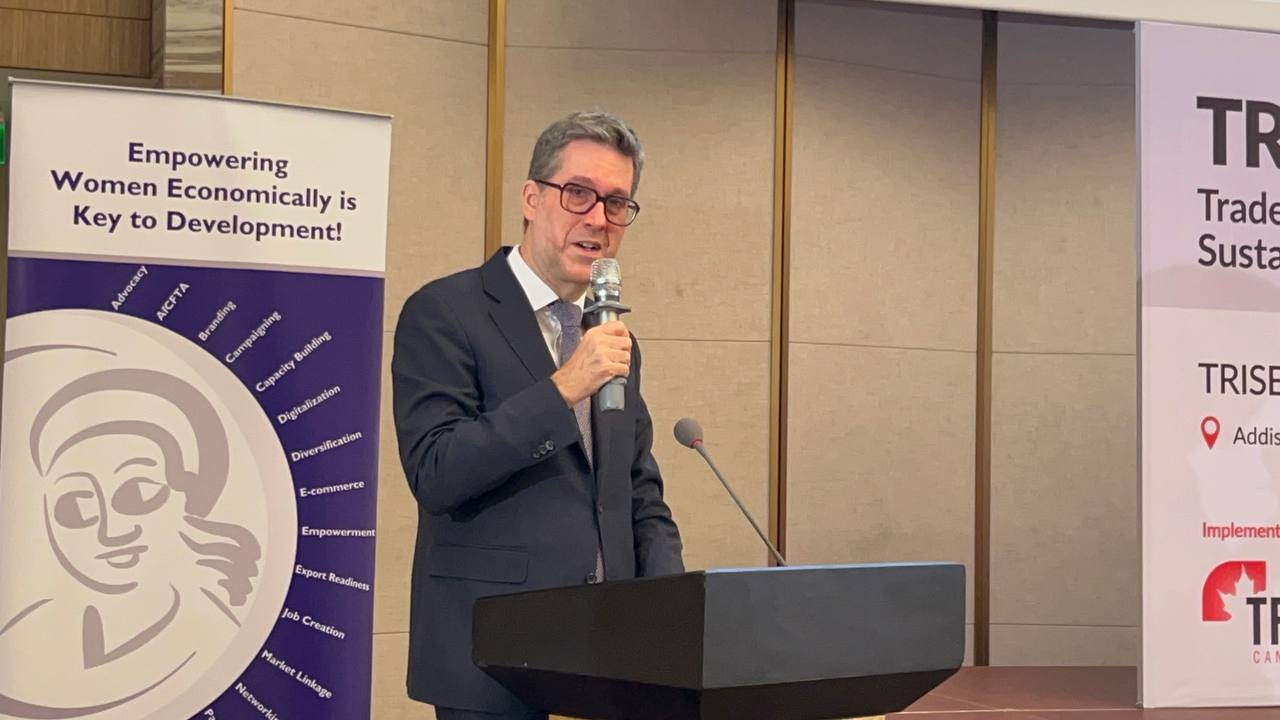
Canadian Ambassador to Ethiopia Nicolas Simard said TRISEG forms part of Canada’s broader commitment to promoting inclusive and sustainable economic growth through international trade. He highlighted the potential of Ethiopian businesses in processed food and fashion accessories and the importance of helping them connect with buyers in Canada and elsewhere.
Simard pledged to promote Ethiopian entrepreneurs’ products through the Canadian Embassy and his official residence, while working with Ethiopia’s ambassador to Canada to explore further opportunities for Ethiopian products in the Canadian market.
He also pointed to scope for expanding commercial relations between Ethiopia and Canada through trade, investment and private-sector collaboration. Supporting women entrepreneurs and businesses that face barriers to international commerce, he said, can contribute to job creation, stronger communities and more inclusive economic growth.
Beyond direct support to SMEs, the project places emphasis on strengthening the institutions that help businesses enter and operate in export markets.
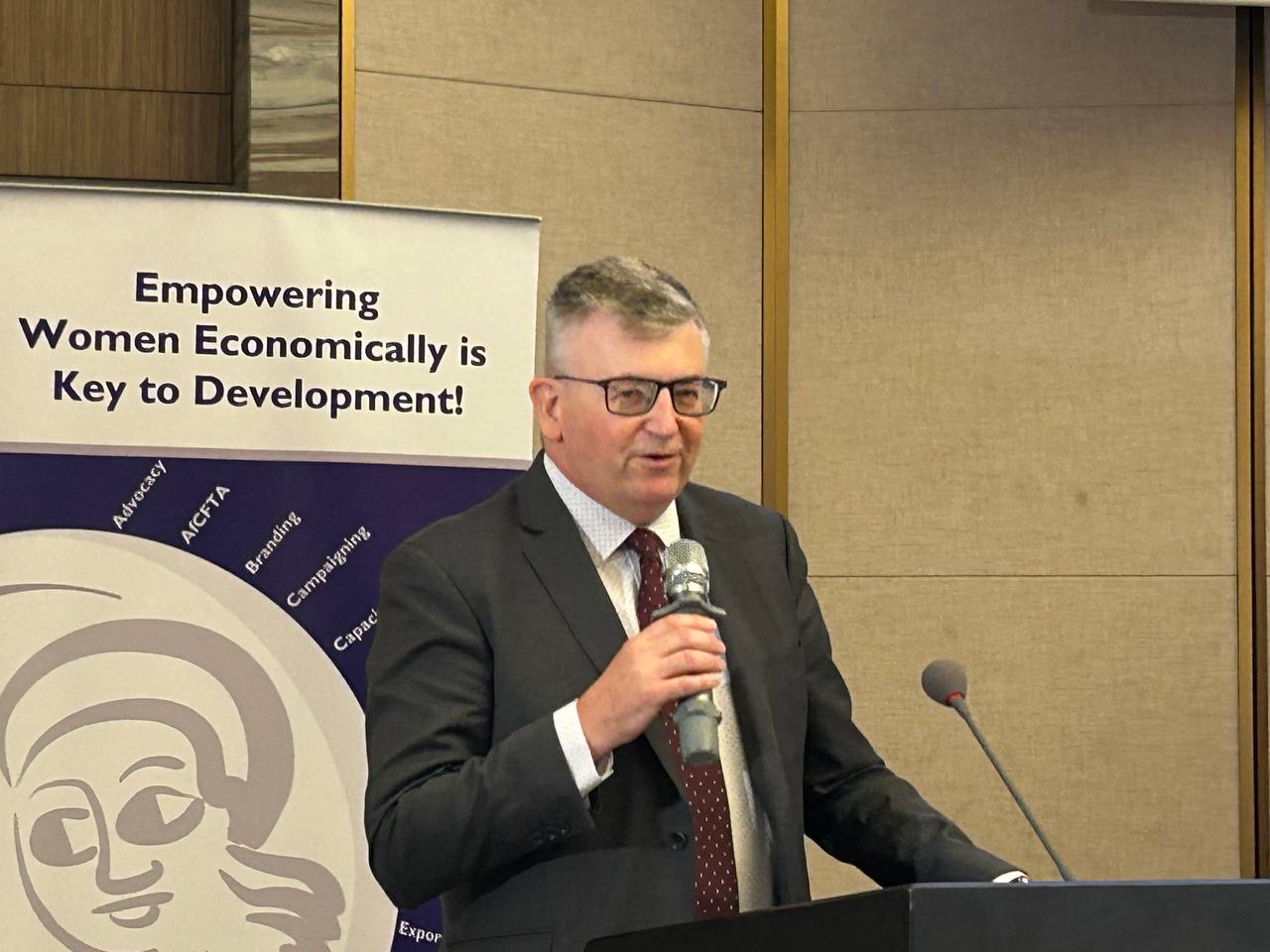
TFO Canada Executive Director Steven Tipman said trade-support institutions, sector associations, chambers of commerce and public bodies have an important role in improving the competitiveness of businesses and helping them establish lasting relationships with international markets.
TFO Canada, which has worked for more than 46 years to advance sustainable and inclusive economic growth through international trade, supports businesses and the institutions serving them by providing market information, advice and connections with potential buyers and partners.
Tipman stressed that export development requires more than preparing individual companies. Strong support institutions are also needed to provide training, market intelligence and other services that enable businesses to identify opportunities, meet international requirements and sustain their presence in foreign markets.
The project also incorporates environmental, social and governance considerations into its approach, linking export growth with more responsible and resilient business practices.
During the launch, TFO Canada Project Manager Ashraf Hossain presented TRISEG’s strategic priorities, targets and planned activities for 2026–2030. He also outlined findings from a market assessment examining export potential and the principal barriers facing SMEs in the selected sectors. The assessment is expected to inform the project’s activities and help direct support towards the needs and opportunities identified in the market.
TRISEG builds on earlier cooperation between CAWEE and TFO Canada through the Women in Trade, Women Exporters Fund project, which was implemented from September 2023 to October 2024 with funding from Global Affairs Canada.
The earlier initiative supported 50 women-led SMEs with digital tools and services, including website development, Google Business Profiles, online advertising and social media management, alongside digital skills training, mentorship, coaching, entrepreneurship development and financial literacy support.
Six women-led enterprises were also selected to participate in the International Food and Drink Event in London in 2023, providing them with an opportunity to present their products to an international audience and explore export-market connections.
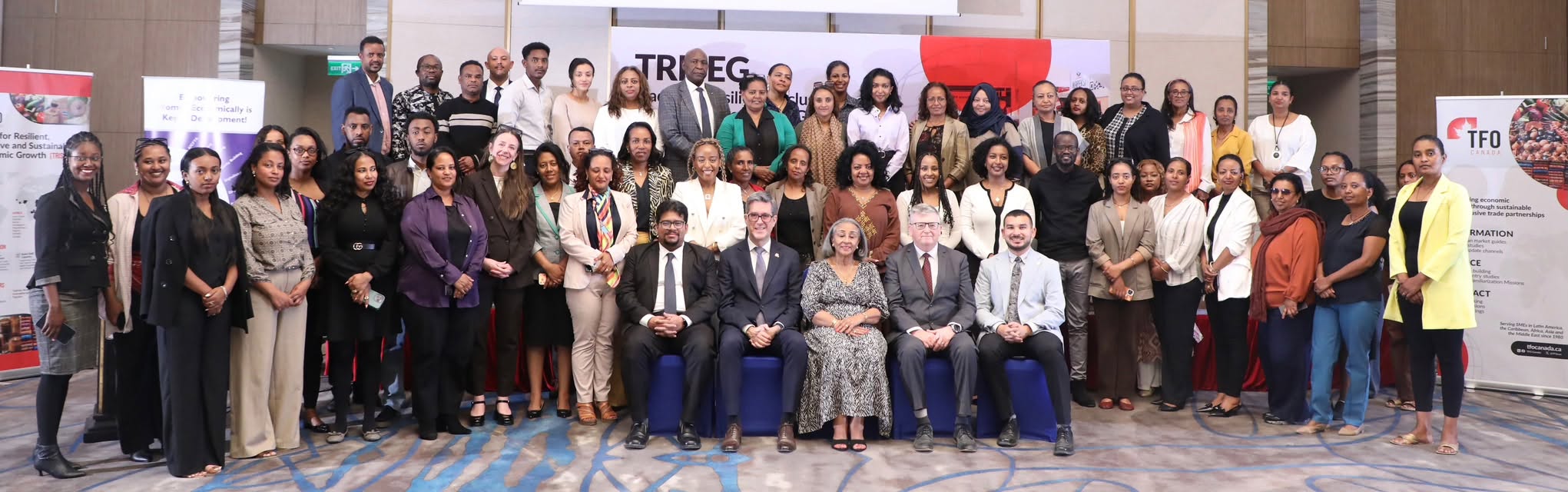
At the TRISEG launch, Dehab Mesfin, owner of Dehab Speciality Coffee and a former participant in the earlier initiative, shared her experience of the support provided to women entrepreneurs and expressed her hopes for the success of the new project.
The transition from the earlier programme to TRISEG reflects a broader approach to export development: combining business-level capacity building with stronger institutional services, improved access to market information, international buyer connections and attention to climate resilience.
For Ethiopian SMEs, the challenge extends beyond producing goods with market potential to meeting international standards, securing the resources needed to export and establishing commercial relationships that can be sustained over time. By addressing these interconnected barriers, TRISEG seeks to help businesses turn their products and capabilities into more competitive export ventures while broadening participation in international trade.
Through its five-year implementation period, the project is expected to strengthen the capacity of participating Ethiopian enterprises and the institutions that support them, while contributing to more inclusive, resilient and sustainable economic growth.