
Ethiopia, World Bank Move to Accelerate Water Projects and Unlock Development Financing
Addis Ababa, November 4, 2026 (FMC) – Ethiopia and the World Bank have agreed to accelerate the implementation of major water and sanitation projects, extend the implementation period of the One WASH National Programme until June 30, and expedite the disbursement of outstanding development funds.
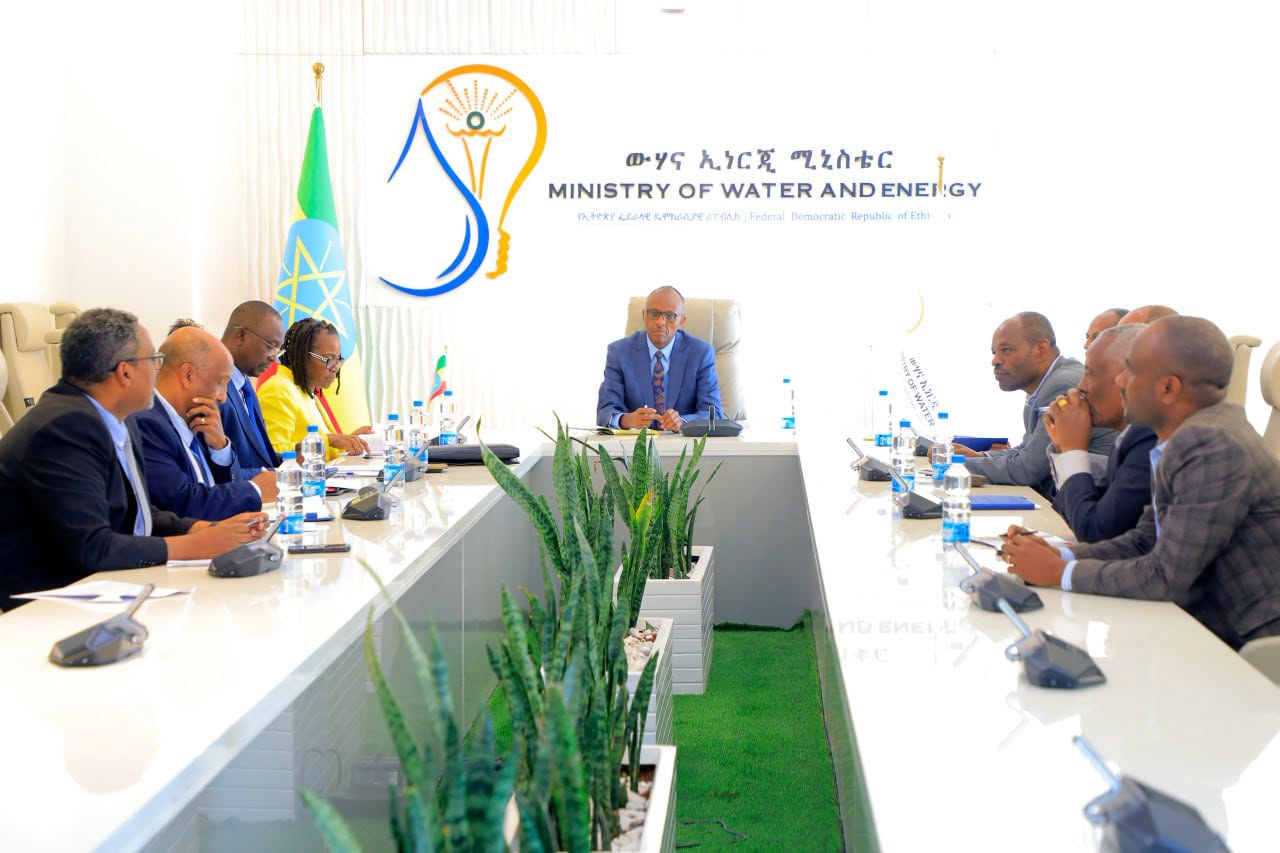
The agreement was reached during discussions between Minister of Water and Energy Habtamu Itefa and a World Bank delegation led by Operations Manager Julian Victor, which reviewed the performance of ongoing projects, financing arrangements, and measures to improve implementation and deliver greater public benefits.
During the discussions, Minister Habtamu underscored Ethiopia’s commitment to aligning water and energy infrastructure development with the country’s 25-year Medemer Strategic Plan, which sets development horizons for 2030, 2040, and 2050.
He emphasized that the success of infrastructure investments should be measured not merely by the number of projects constructed but by the number of people gaining access to reliable and safe services.
The Minister also highlighted the importance of efficient water resource management and expanding service delivery to meet the country’s growing development needs, stressing that providing essential services is a government responsibility.
On institutional reforms, he outlined measures underway to improve operational efficiency, optimize human resources, and reduce administrative expenditures through restructuring from zonal to district levels. He cited the consolidation of four zones into one operational unit in Oromia as an example of the ongoing reforms.
Minister Habtamu also highlighted the achievements of Ethiopia’s One WASH National Programme, describing it as an exemplary initiative that could provide valuable lessons for other African countries. He acknowledged the World Bank’s contribution to the programme’s success and expressed hope that Ethiopia’s experience would benefit other countries across the continent.
For his part, Julian Victor commended the close cooperation between the World Bank and the Ministry, noting that the Bank’s active portfolio in Ethiopia amounts to approximately 15 billion U.S. dollars, with more than 3 billion dollars allocated to the water and energy sectors combined.
He underscored the importance of expanding access to essential services in advancing international development initiatives, including Mission 300, which aims to connect 300 million people in Africa to electricity by 2030, and the Water for All initiative.
On the One WASH National Programme, the World Bank agreed to extend the project’s closing date until June 30 to allow the completion of outstanding contracts and other activities. The extension will facilitate the disbursement of 87 million U.S. dollars remaining in the programme’s designated account, alongside an additional 36 million dollars expected to be cleared by the same deadline.
The discussions also addressed outstanding compensation payments to 16 people affected by projects in Oromia, with the Ministry committing to expedite their settlement. The World Bank also agreed to allow project disbursements to continue following the necessary technical reviews.
The two sides further reviewed progress under the Horn of Africa Groundwater for Resilience Project, which has improved its implementation performance from moderately unsatisfactory to moderately satisfactory over the past year.
Financial utilization under the project increased from 29 percent to 61 percent during the same period, while more than 175,000 people in vulnerable border areas have benefited from safe and climate-resilient water infrastructure.
With major drilling contracts finalized in priority areas, ongoing efforts are focused on completing pumping test documentation to facilitate the release of an additional 15 million U.S. dollars in project financing.
The Minister also highlighted improvements in financial management and monitoring systems, emphasizing the government’s commitment to ensuring transparency and accountability in the utilization of development resources.
The meeting agreed on continued coordination between the Ministry and the World Bank to strengthen project implementation, resolve operational bottlenecks, accelerate financial disbursements, and ensure that ongoing investments translate into tangible improvements in water and energy services.