
Ethiopia Pledges US$2 Million to Expand Eye Health Services to 41 Million People by 2030
Addis Ababa, November 3, 2026 (FMC) — The Government of Ethiopia has committed US$2 million to expand community-based eye screening and primary eye care services, targeting at least 41 million people and 50 percent school eye health coverage by 2030.
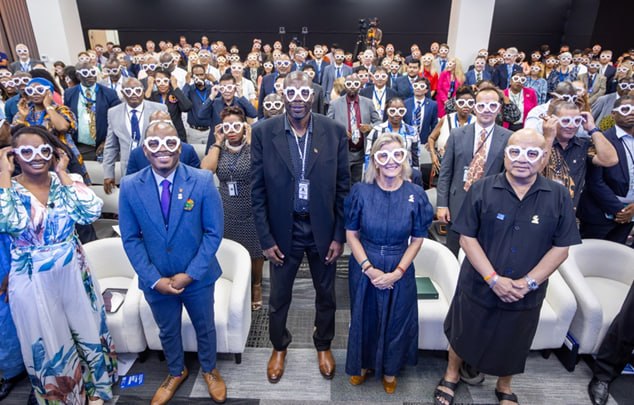
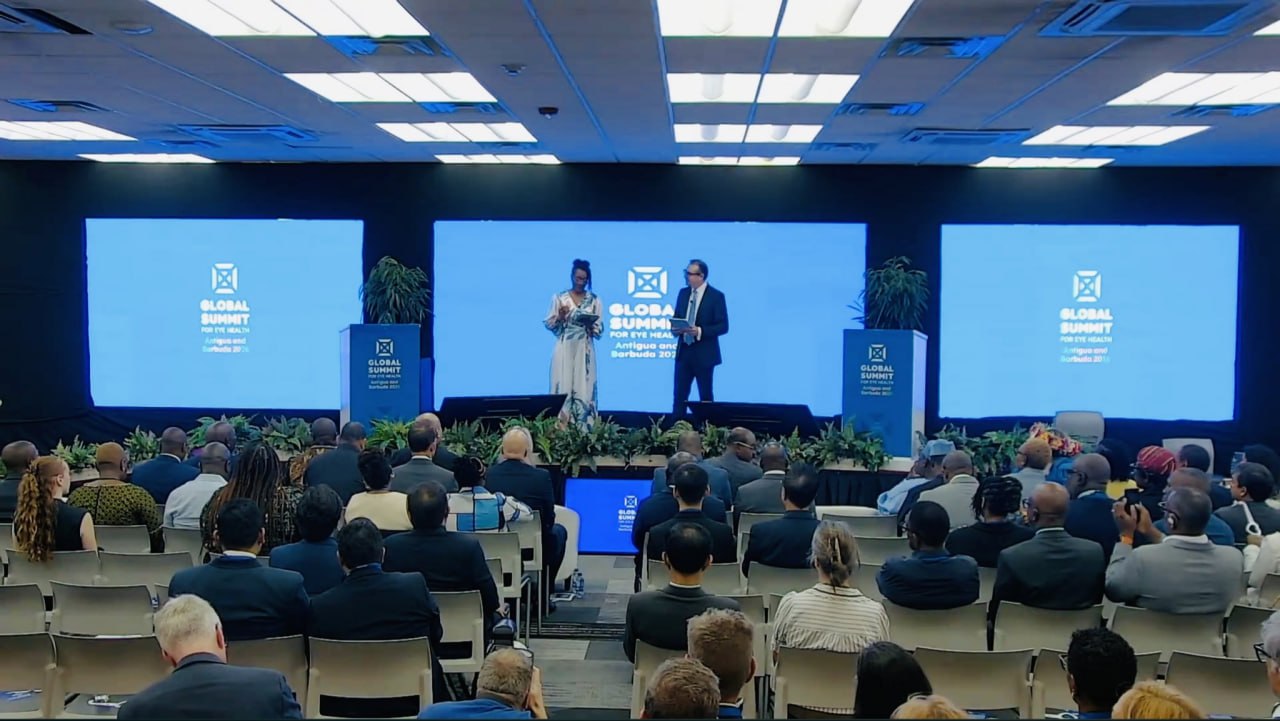
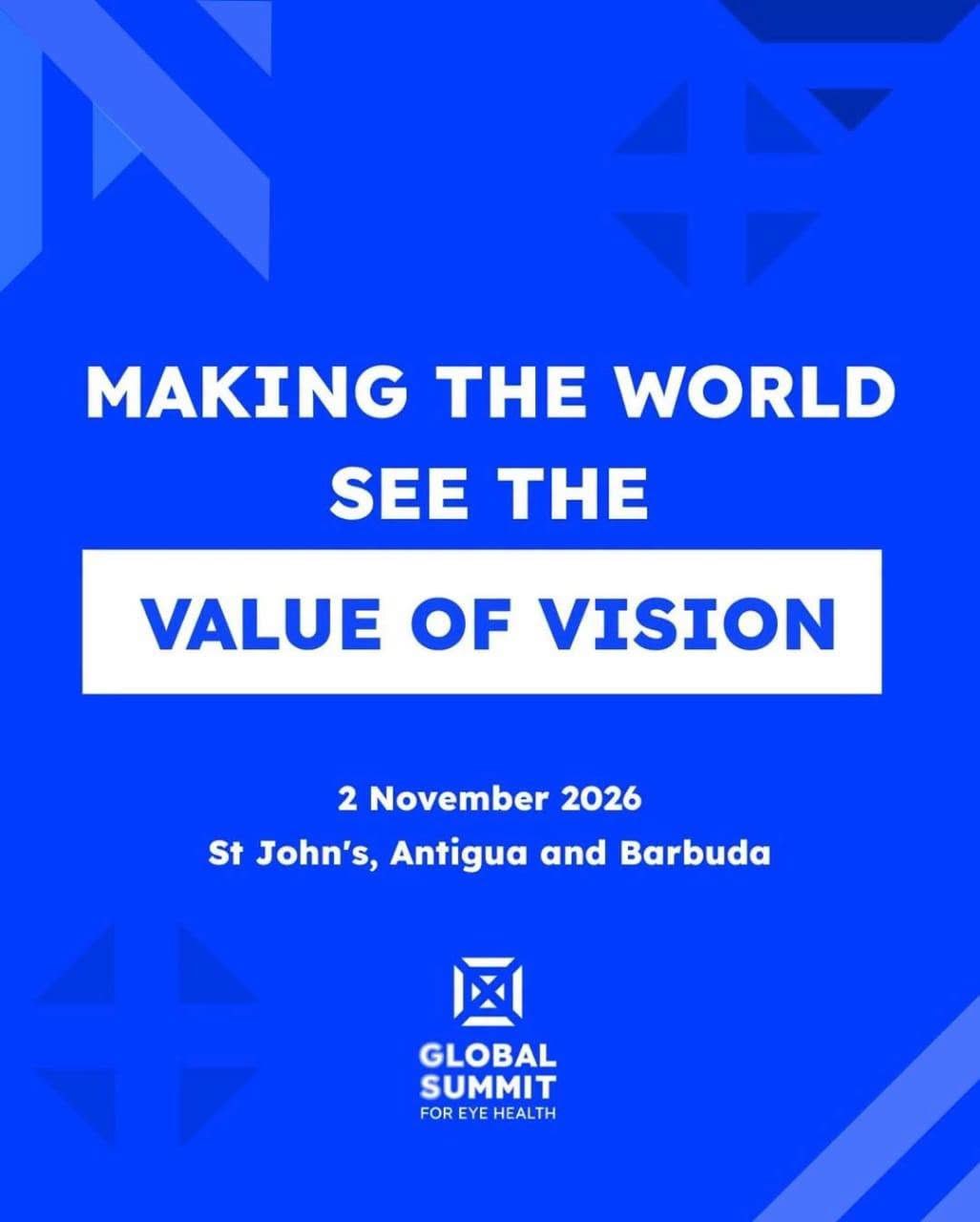
The commitment was announced at the first-ever Global Summit for Eye Health, held on November 2 in Antigua and Barbuda, as Ethiopia joined other countries in advancing efforts to prevent avoidable blindness and expand access to quality eye care.
The investment will strengthen primary eye care services across more than 3,200 primary healthcare units, expand access to reading glasses, improve early detection and referral systems, and enhance the quality and outcomes of cataract surgeries nationwide.
According to the International Agency for the Prevention of Blindness (IAPB), millions of Ethiopians live with vision impairment, much of which is preventable or treatable. Poor vision also has significant implications for productivity, educational opportunities and quality of life.
Under the commitment, Ethiopia plans to screen at least 41 million people through integrated community-based, school-based and outreach services while expanding access to reading glasses and primary eye care at the point of service delivery.
The government will also conduct a nationally representative National Eye Health Survey to guide planning and resource allocation, adopt and implement national cataract service quality guidelines, and increase the national Cataract Surgical Rate from 1,000 to 1,500 surgeries per million people.
The initiative further seeks to strengthen the integration of eye health into primary healthcare and universal health coverage systems.
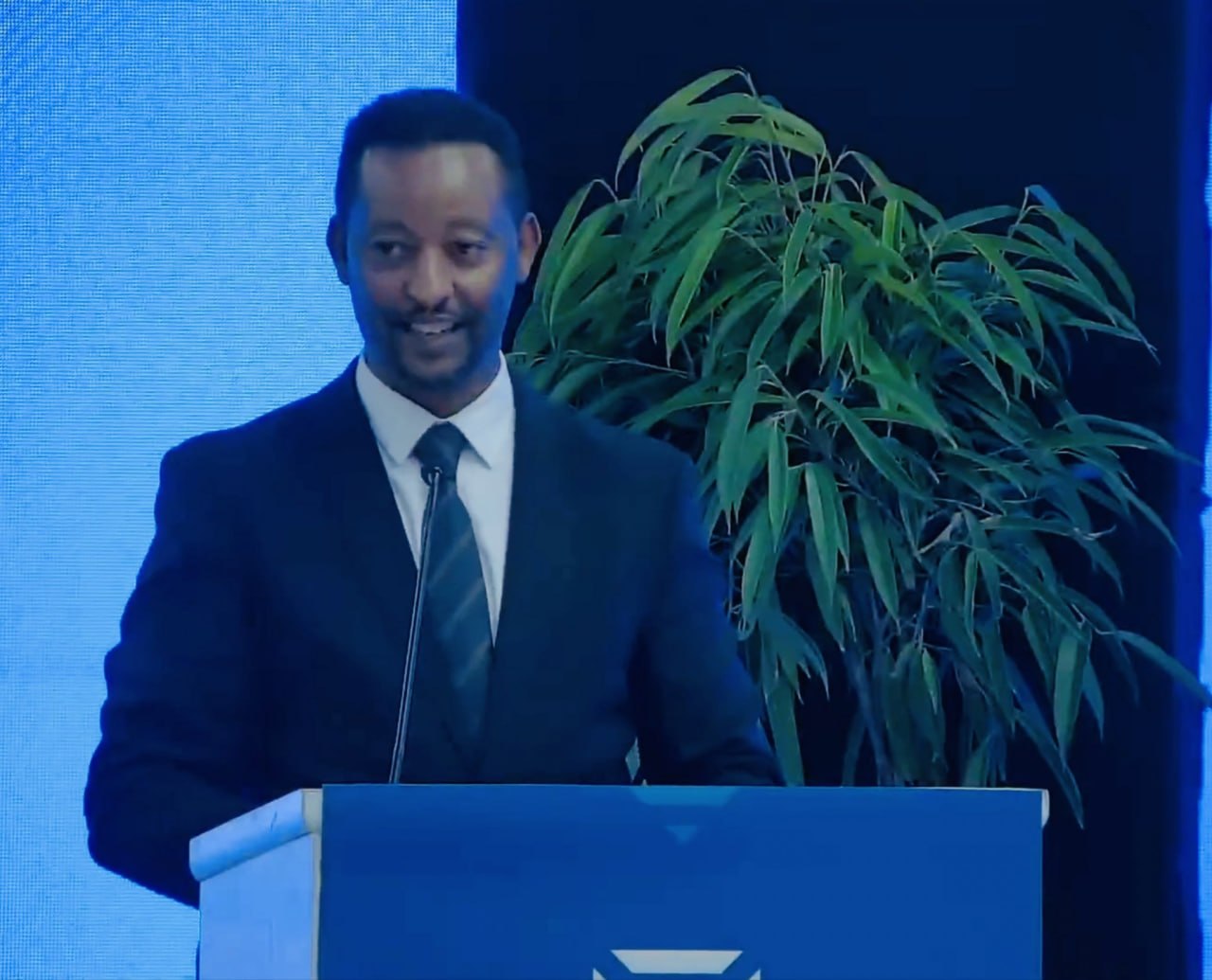
Lelisa Amanuel Jira, Senior Advisor to the Minister at the Office of the State Minister for Health, said the government’s ambition was to ensure equitable access to quality, affordable and comprehensive eye care for everyone, regardless of age, gender, income, disability or place of residence.
He emphasized the importance of collective efforts to prevent avoidable blindness, restore sight and improve people’s quality of life, ensuring that no one is left behind in Ethiopia’s pursuit of universal health coverage.
The investment is also expected to generate substantial economic and social benefits. IAPB’s Value of Vision research estimates that investments in eye health in Ethiopia could generate approximately US$103 million in economic benefits by 2030.
Beyond the economic returns, improved eye health services could contribute to better educational outcomes, reduced depression, fewer road traffic injuries and increased productivity.
K-T Overbey, Chief Executive Officer of Cure Blindness Project, said the organization was committed to supporting more than 7.5 million people across 11 countries, including Ethiopia, to access essential eye care.
By 2030, the organization aims to support more than one million sight-restoring surgeries while investing in local eye health professionals and institutions to strengthen sustainable eye care services.
Peter Holland, Chief Executive Officer of IAPB, described the Global Summit for Eye Health as a defining moment for global eye health, noting that the commitments announced would improve the lives of hundreds of millions of people.
He said investment in eye health was also an investment in human potential, economic growth and sustainable development.
The summit was hosted by the Government of Antigua and Barbuda, co-hosted by the governments of Bangladesh, Guyana, Ireland and Nigeria, in technical collaboration with the World Health Organization (WHO) and convened by IAPB.
It brought together government leaders, development partners and representatives of public and private institutions to accelerate global action against avoidable sight loss and advance the commitment to universal access to eye care by 2030.