
Amhara Region Chief Administrator Says Medemer Principles Are Driving Dev’t Projects That Deliver Lasting Benefits in Ethiopia
Addis Ababa, October 23, 2026 (FMC) — Federal development projects in Ethiopia are advancing the Medemer government’s principles by addressing longstanding community needs, completing delayed infrastructure and expanding opportunities for economic and social progress, Amhara Regional State Chief Administrator Arega Kebede said.
Speaking at the inauguration of the Megech irrigation and drinking water project in Gondar, Arega emphasized that the significance of development initiatives lies not only in the infrastructure they deliver, but also in their capacity to improve livelihoods, expand productive opportunities and benefit communities over the long term.
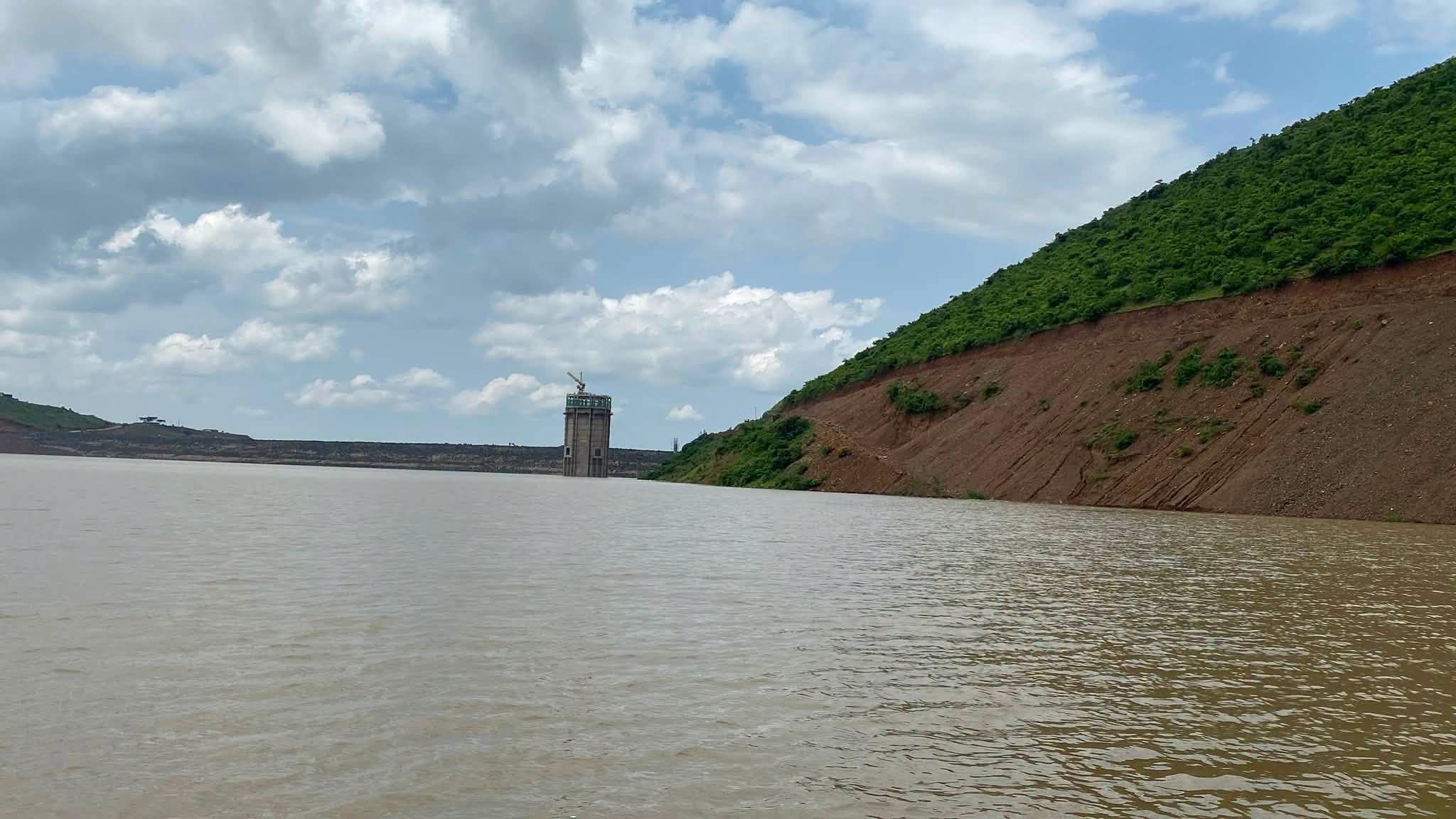
Megech illustrates this approach through its combination of irrigation development and drinking water supply. With a storage capacity exceeding 185 million cubic metres, the project has the potential to irrigate more than 17,000 hectares and benefit over 25,000 farmers.
Its completion is expected to strengthen agricultural production, improve rural livelihoods and help address Gondar city’s longstanding drinking water shortage.
Arega also underscored the importance of bringing delayed projects to completion, pointing to Megech as an example of the effort to move past years of setbacks and deliver development initiatives with tangible public value.
His remarks placed the project within a broader development agenda that seeks to turn public investment into practical benefits for the population.
The opportunities extend beyond irrigation and water supply. More productive agriculture could enable farmers to cultivate high-value crops, improve household incomes and supply industries and export markets.
Meanwhile, the area’s water resources offer prospects for fisheries and tourism-related investment, including hotels and resorts that could create additional economic opportunities.
The chief administrator also cited the restoration of Fasil Ghebbi, Gondar’s historic palace and castle complex, and the Gorgora Eco Village tourism development project as examples of initiatives intended to preserve Ethiopia’s heritage while opening new avenues for development.
Together, these projects reflect an approach that connects infrastructure, cultural preservation and economic opportunity.
A further dimension of the Medemer principles he described is the need to extend development benefits to communities and social groups that have not adequately shared in previous progress. Arega highlighted initiatives supporting women facing hardship and persons with disabilities, stressing the importance of making development more inclusive.
At the same time, he called attention to the need to protect the natural resources underpinning the Megech project. Watershed conservation, particularly in the upper catchment, will be important in limiting pollution and siltation and preserving the reservoir’s capacity. Such measures are essential if the infrastructure is to continue serving communities over the long term.
Arega expressed appreciation to Prime Minister Abiy Ahmed for his attention to the project, Deputy Prime Minister Temesgen Tiruneh for his continued support, and Nuclear Energy Commission Commissioner Abraham Belay for his leadership and coordination.
He also acknowledged contractor Baika, led by Kasahun Mesganaw, and the security forces for their contributions to development activities.
The project’s inauguration thus brings into focus a central argument in the chief administrator’s remarks: development initiatives should be judged by their ability to address public needs and produce lasting benefits.
Under the Medemer government’s approach, completing infrastructure is an important step; ensuring that it strengthens livelihoods, expands opportunity and serves communities sustainably is the broader objective.