
Bringing the Money Closer to Africa: Ethiopia’s Push to Rethink How Development Gets Financed
Addis Ababa, September 15, 2026 (FMC) — Development is often measured in roads built, power generated, industries opened and economies transformed. But behind every such ambition lies a more fundamental question: where does the money come from, and on whose terms?
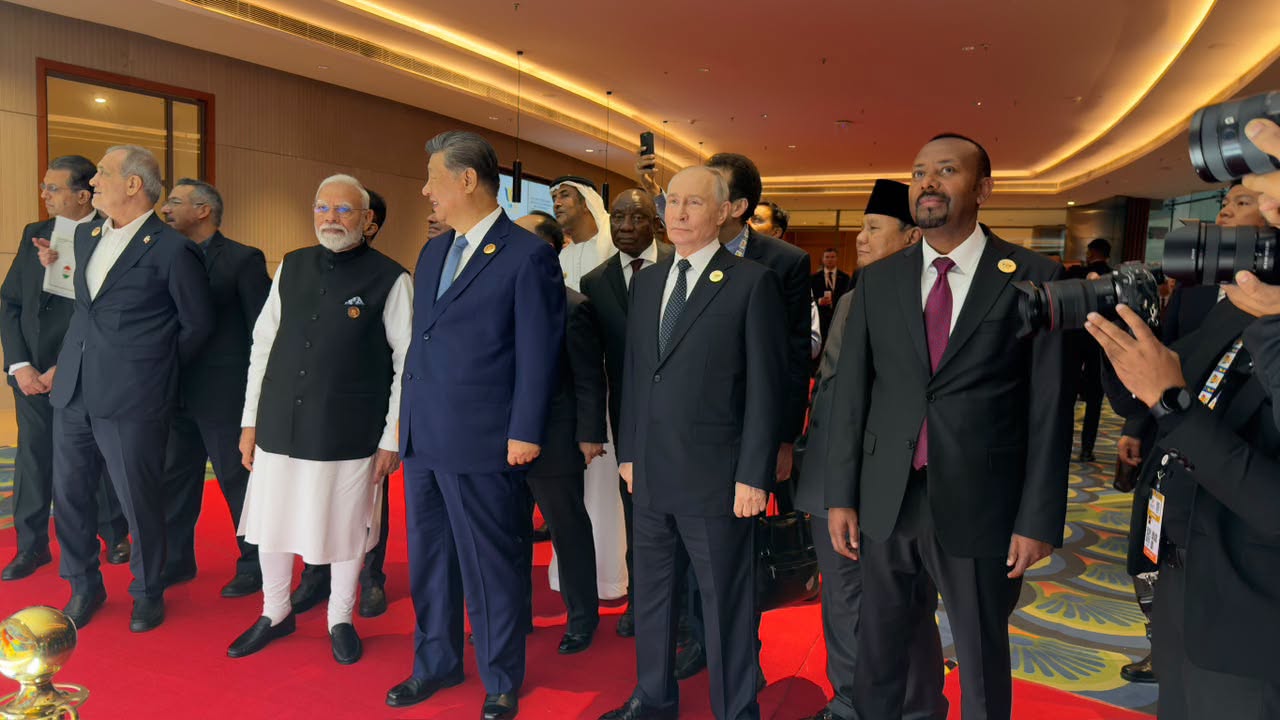
At the 18th BRICS Summit in New Delhi, Ethiopia put that question squarely into the conversation, arguing for a development-finance architecture that can reach Africa more directly and shield its economies from the financial shocks that can turn promising investments into costly burdens.
Prime Minister Abiy Ahmed proposed two practical steps to deepen that reach: greater lending by the New Development Bank (NDB) in national currencies and a stronger operational presence for the Bank in Africa, including Ethiopia’s readiness to host an NDB office in Addis Ababa.
Taken together, the proposals went beyond a request for more financing. They pointed toward a different geography of development finance—one in which Africa is closer to the institutions financing its transformation and less exposed to the volatility of currencies beyond its control.
For Ethiopia, the logic is straightforward. A development project may be economically sound, but when exchange rates shift sharply, the cost of financing can rise with them, turning a productive investment into a heavier fiscal burden. National-currency lending, Abiy argued, could give countries greater certainty, reduce exposure to external shocks and help protect productive investment.
The proposal arrives as the NDB itself places greater emphasis on local-currency financing. The Bank says expanding such financing is part of its effort to reduce currency risks and deepen development impact across emerging and developing economies.
But Ethiopia’s proposition was not only about the currency in which money is lent. It was also about where development finance is positioned to reach Africa.
Abiy offered Addis Ababa as a possible home for an NDB office, describing the Ethiopian capital as the diplomatic capital of Africa and proposing a stronger operational presence by the Bank across the continent.
The significance of that proposal lies in what it could connect: an institution created by emerging economies with a continent whose development ambitions span infrastructure, energy, agriculture, industry and regional trade.
Africa, in Abiy’s formulation, is not simply a landscape of financing needs. It is a landscape of opportunities.
Its infrastructure gap is enormous, but so are its possibilities in energy generation, agricultural production, industrial development and regional markets. Bringing development finance closer to those opportunities could therefore mean more than increasing the volume of money available. It could help shorten the distance between capital and the projects, enterprises and economies that need it.
That is particularly important as the NDB enters a new phase. The Bank has emphasized expanding local-currency financing, mobilizing resources and supporting infrastructure and economic integration across the Global South. At the New Delhi Summit, BRICS leaders also backed the Bank’s growing role in meeting the development and infrastructure needs of emerging markets and developing countries.
Ethiopia’s intervention therefore placed Africa within a much larger conversation about the future of development finance.
For decades, much of the world’s development financing has been shaped through institutions, currencies and financial centres far removed from the economies ultimately carrying the risks. Ethiopia’s proposition points toward a different model: bring the institutions closer, broaden the financing tools, reduce currency vulnerability and give developing economies greater room to finance their own transformation.
For Addis Ababa, the proposed NDB presence would also fit into a broader diplomatic and economic role the city already plays as the headquarters of the African Union and a major centre of continental diplomacy.
The larger message from New Delhi was consequently not simply that Ethiopia wants an office in its capital.
It was that Africa’s development ambitions require financial institutions capable of meeting the continent where its future is being built.
And if the money that finances Africa’s next generation of infrastructure, industries and regional markets can move closer to the continent—and do so on terms that reduce its exposure to external financial turbulence—the architecture of development itself begins to change.
Ethiopia’s intervention at BRICS placed that possibility on the table: not merely more finance for Africa, but a financial system that reaches Africa differently.