
Egypt’s GERD Narrative Exposed: A Campaign to Preserve Nile Monopoly and Encircle Ethiopia
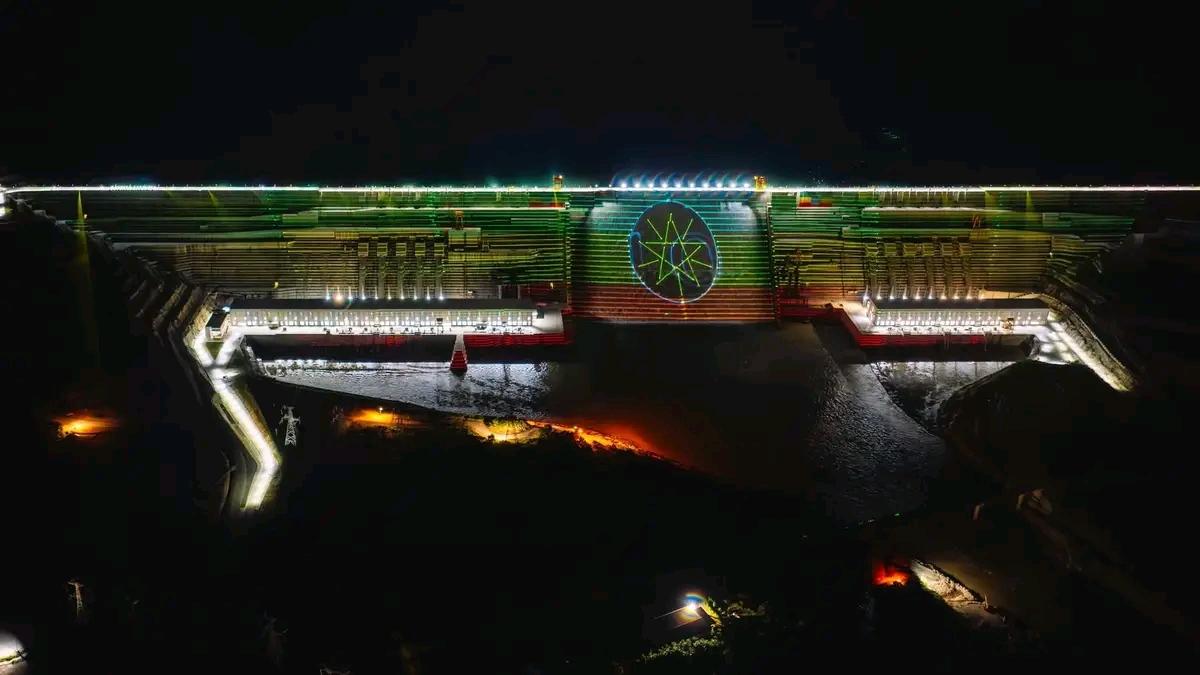
Addis Ababa, July 23, 2026 (FMC) — The completion of the Grand Ethiopian Renaissance Dam (GERD) has opened a new chapter of energy development, regional cooperation, and shared prosperity in the Nile Basin. The landmark project has demonstrated Ethiopia’s determination to utilize its natural resources for development while advancing a vision of cooperation among neighboring countries.
Despite this reality, Egyptian media outlets and officials have continued to portray the GERD as a threat to water security, using the issue to create political pressure against Ethiopia and sustain narratives aimed at preserving an unfair historical arrangement over Nile water resources.
The reality on the ground, however, contradicts these claims. The construction and operation of the GERD have not reduced the amount of water reaching either Sudan or Egypt. Ethiopia contributes between 85 and 86 percent of the total water flow of the Nile system, with the majority of this contribution originating from the country’s highlands.
The Abbay (Blue Nile), Ethiopia’s main contribution to the Nile system, accounts for more than 59 percent of the total Nile flow, making Ethiopia the primary source of the river’s water resources.
For decades, Ethiopia’s right to fairly utilize its own natural resources was restricted by outdated arrangements and agreements concluded without its participation. The GERD has become a historic milestone that enables Ethiopia to exercise its legitimate development rights while creating benefits beyond its borders.
The primary purpose of the GERD is electricity generation, not water consumption. As repeatedly stated by the Ethiopian government, the dam is a non-consumptive hydropower project that does not reduce the volume of water flowing to downstream countries.
Rather than creating water shortages, the dam is contributing to improved water management in the region. In Sudan, the GERD has helped reduce the devastating impacts of seasonal floods by regulating water flows and reducing excessive flooding risks.
Nevertheless, Egyptian media platforms and officials have intensified campaigns portraying the dam as a source of danger, despite the absence of evidence supporting such claims.
Egypt’s continued opposition to the GERD reflects a broader attempt to preserve a historical order that granted exclusive advantages over Nile resources. The focus of Cairo’s narrative has remained centered not on the actual impacts of the dam, but on maintaining privileges derived from colonial-era water arrangements.
Egypt continues to invoke the 1929 and 1959 Nile water agreements, which excluded Ethiopia despite its status as the source of the majority of the Nile’s flow. These arrangements sought to establish unilateral control over the river while limiting the development aspirations of upstream countries.
Such an approach contradicts the principle of equitable and reasonable utilization of shared water resources and ignores the legitimate rights of Nile Basin countries to pursue development.
The campaign surrounding the GERD has also expanded beyond water issues, with Egypt linking the Nile question to broader political dynamics in East Africa and the Red Sea region as part of efforts to increase pressure on Ethiopia.
The attempt to portray Ethiopia’s legitimate development project as a threat is part of a wider strategy aimed at containing Ethiopia’s growing regional role and preventing the emergence of a new reality based on cooperation, mutual benefit, and shared development.
The completion of the GERD has already changed the dynamics of the Nile Basin. It has shown that African countries can mobilize their own resources, pursue strategic development goals, and determine their future through self-reliance.
The claim that the GERD will cause water shortages in Egypt lacks scientific foundation. Instead, such narratives serve to defend outdated and unfair water arrangements while attempting to preserve a historical imbalance in Nile resource utilization.
The new reality created by the GERD is one of regional energy integration, economic cooperation, and sustainable development. Built to generate clean electricity and support broader regional prosperity, the dam represents Ethiopia’s commitment to development while offering opportunities for cooperation across the Nile Basin.