
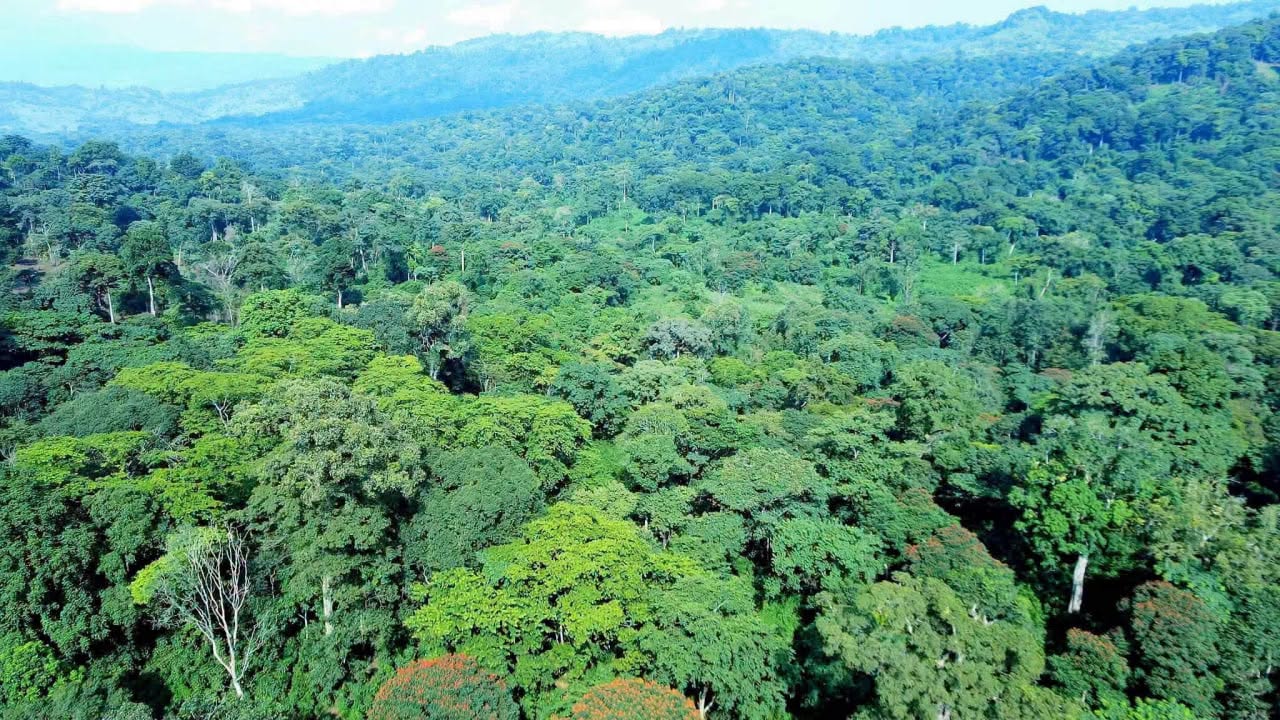
Ethiopia’s Green Legacy and GERD Draw Praise as Homegrown Development Models: COP31 Participants
Addis Ababa, November 11, 2026 (FMC) – Ethiopia’s Green Legacy Initiative and the Grand Ethiopian Renaissance Dam (GERD) have emerged as notable examples of homegrown solutions for environmental protection, renewable energy development and climate action, drawing praise from participants at the UN Climate Summit (COP31) in Antalya, Türkiye.
In interviews conducted at the summit, participants from international organizations, civil society and the private sector highlighted Ethiopia’s efforts to mobilize national resources, engage its people in environmental restoration and expand clean energy generation.
They also pointed to the country’s urban transformation and electric mobility policies as practical experiences that could inform global climate action and preparations for COP32, which Ethiopia will host in 2027.
Wede Wurfbein of NEDAMCO Africa, who is involved in Ethiopia’s COP32 planning, described the Green Legacy Initiative as one of the best examples of how a country can mobilize its own resources and people to protect nature.
“The Green Legacy Initiative of Ethiopia is one of the best examples that there is because it is a mobilization of the resources that a country has, and Ethiopia can show how you can utilize the resources and the people to plant trees and to protect nature and to move forward,” he stated.
Wurfbein also highlighted the Grand Ethiopian Renaissance Dam as an example of Ethiopia expanding its renewable energy capacity through domestic financing, demonstrating the country’s ability to mobilize its own resources for major development projects.
He further pointed to Ethiopia’s decision to restrict imports of conventional fuel-powered vehicles as an illustration of how policy choices can accelerate the transition to cleaner mobility.
Wurfbein said the country’s growing renewable energy potential could create opportunities for private-sector investment in data centres. He explained that electricity demand from such facilities could support further expansion of clean power generation and strengthen Ethiopia’s position as a regional energy hub.
Oumar Silla, Director of the Regional Office for Africa at UN-Habitat headquarters in Nairobi, Kenya, also praised Ethiopia’s broader green transformation, particularly its progress in forest restoration, urban greening, riverbank development and public-space regeneration.
Speaking during the launch of the Ethiopian Pavilion at COP31, Silla described Addis Ababa’s urban corridor transformation as an impressive example of innovation in urban development, improved living conditions and greener cities.
He said UN-Habitat was engaging with Addis Ababa to document good practices and develop bankable projects that could support the city’s wider urban transformation agenda.
Silla identified three areas with potential to become lasting contributions to COP32: corridor development and urban regeneration, nature-based solutions for climate adaptation, particularly riverbank restoration, and the transition from fossil fuels to clean energy, including Ethiopia’s electric vehicle policy.
He also described Ethiopia’s role as host of COP32 as an opportunity to strengthen African solidarity and bring together leaders at all levels, from the African Union to cities and municipalities, to advance climate action.
From the perspective of civil society, participants from India emphasized that developing countries need greater international support to address climate impacts, particularly through adaptation, loss and damage financing.
Dulari, a young activist and researcher representing Youth for Unity and Voluntary Action (YUVA), an Indian social impact organization working with informal settlements and marginalized communities, stressed that climate disasters are already affecting young people in vulnerable communities.
She called for greater visibility for people living in informal settlements and stronger participation by young people in climate discussions. She also emphasized the need for public, grant-based climate finance so that developing countries can respond to climate disasters without accumulating additional debt.
Meenar Pimple, a senior adviser to YUVA, stressed that international climate commitments must be backed by adequate financing and translated into practical implementation.
He argued that COP32 should provide a stronger platform for African and Global South perspectives, with a clear pathway from commitments to action. He also emphasized that developed countries must fulfil their climate financing commitments and align policy pledges with actual support.
Taken together, the participants’ perspectives point to the importance of bringing practical experiences into global climate negotiations.
Ethiopia’s Green Legacy Initiative and GERD illustrate two dimensions of its homegrown development efforts: restoring the natural environment and expanding renewable energy capacity.
Their observations also underline the opportunity for COP32 to advance practical solutions, strengthen climate finance and give greater prominence to Africa’s and the wider Global South’s priorities.