
Ethiopia’s Reform Agenda Advances Inclusive Governance and National Dialogue Process
Addis Ababa, April 23, 2026 (FMC) – Ethiopia’s ongoing reform agenda is advancing inclusive governance and strengthening the national dialogue process, according to Vice President of the Prosperity Party and head of the Democracy System Building Coordination Center (with deputy prime minister rank), Adem Farah.
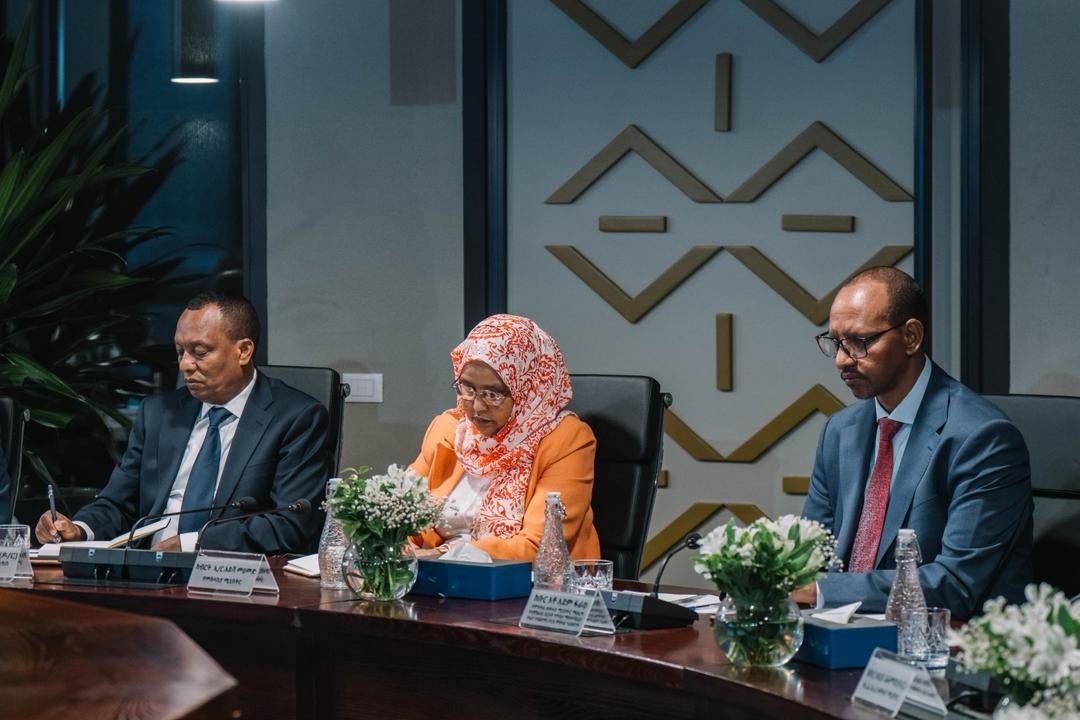
Speaking during the review of the government’s third 100-day and nine-month performance report for the 2025/26 fiscal year, chaired by Prime Minister Abiy Ahmed, Adem said reforms implemented over the past eight years are beginning to produce tangible results across political, economic, and institutional areas.
He stated that Ethiopia’s macroeconomic reforms have supported inclusive growth and contributed to outcomes aligned with national development priorities, while also reinforcing broader institutional transformation.
On the political front, Adem noted that the reform process has helped establish a more open national platform where political parties can engage both in cooperation on shared national issues and structured democratic competition. He said this is contributing to the strengthening of Ethiopia’s evolving democratic system.
He highlighted the integration of more than 275 opposition party leaders into government roles at federal and district levels, where they are participating in public service delivery and development activities. According to him, this reflects efforts to broaden participatory governance and expand political inclusion.
Adem also pointed to the national dialogue process, stating that it has reached an advanced stage and is playing a key role in building consensus on major national issues, which he described as essential for long-term unity and stability.
On the economic side, he praised the homegrown economic reform agenda, noting that it is beginning to show measurable results. He cited initiatives such as “Made in Ethiopia” as strengthening local production, reducing import dependence, and improving export competitiveness.
In the social sector, Adem highlighted expanded access to infrastructure and public services, particularly in education, where the “Education for Generation” initiative is increasing school construction and improving access to learning opportunities across the country.
Looking ahead, he stressed the importance of stronger coordination among government institutions, the private sector, and citizens to sustain progress. He reaffirmed that Ethiopia’s long-term objective is to build a stable and prosperous nation anchored in democratic development, good governance, and lasting peace.