
Ethiopia’s Reform Programme Entering Integrated Phase Across Finance, Industry, Agriculture and Digital Systems, Senior Officials Say
585
Addis Ababa, June 23, 2026 (FMC) – Ethiopia’s senior government officials have said the country’s reform programme is entering a more integrated phase, marked by coordinated progress across finance, industry, agriculture, and digital systems.
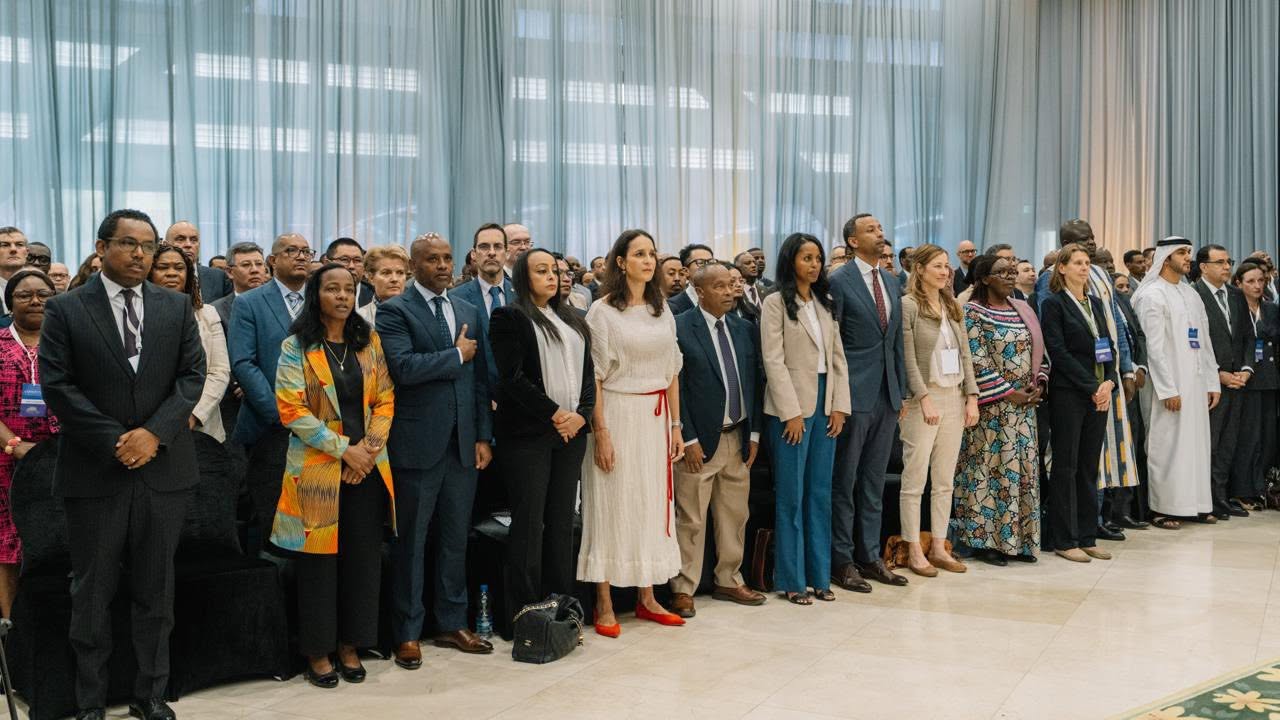
The assessment was made during the “ETHIOPIA DELIVERS” Summit held under the theme “From Reform to Lasting Change,” where officials outlined what they described as reinforcing gains across key pillars of the economy rather than isolated sectoral improvements.
The Governor of the National Bank of Ethiopia, Eyob Tekalign, said homegrown macroeconomic reforms have restored stability and strengthened credibility, citing improvements in inflation control, exchange rate liberalization, monetary and fiscal modernization, and deeper financial sector development aimed at supporting broad-based growth.
In the investment and infrastructure space, Brook Taye, CEO of Ethiopian Investment Holdings, said Ethiopia’s development approach has shifted from historical ambition toward a more disciplined and structured reform model, emphasizing long-term value creation across energy, transport, construction, clean technology, and digital expansion.
He noted that the country’s trajectory is increasingly focused on self-sustaining growth driven by coordinated investment and institutional strengthening.
In the mining sector, State Minister for Mines Hanna Berhanu said reforms have repositioned mining as a strategic driver of economic growth, supported by restructuring and value addition initiatives, with rising output in gold, critical minerals, petroleum, and fertilizer production contributing to export performance and industrial expansion.
Mandefro Nigussie, CEO of the Agricultural Transformation Institute, said agriculture is undergoing a structural shift from subsistence production to commercialized and technology-enabled farming under the Ten-Year Development Plan. He highlighted gains in import substitution, agribusiness growth, and productivity improvements supported by digital tools and artificial intelligence.
From a digital systems perspective, Myriam Said, Digital Advisor at the Office of the Prime Minister, said fragmented systems are being integrated into unified digital infrastructure, including digital identity, payments, and data exchange platforms, laying the foundation for an AI-ready economy.
On urban development, Tiguist Fisseha, Senior Advisor at the Ministry of Finance, said Ethiopia is transitioning toward a new model of productive cities, shifting away from physical expansion toward a polycentric network of competitive, inclusive, and job-creating urban centers.
Collectively, the officials described Ethiopia’s reform programme as a converging national effort linking macroeconomic stability, sectoral transformation, digital integration, and urban restructuring into a more unified development pathway.
The “ETHIOPIA DELIVERS” Summit was held under the theme “From Reform to Lasting Change,” reflecting the government’s emphasis on consolidating reform gains into long-term structural transformation.