
From African Wings to Global Horizons: Ethiopia’s Aviation Ambition Takes Flight
Addis Ababa, August 4, 2026 (FMC) — From connecting African cities to linking the continent with global markets, Ethiopia’s aviation sector has become one of the most visible symbols of the country’s economic transformation.
What began as a national airline’s journey nearly eight decades ago has evolved into a continental aviation success story, with Ethiopia now building the infrastructure needed to support the next generation of growth.
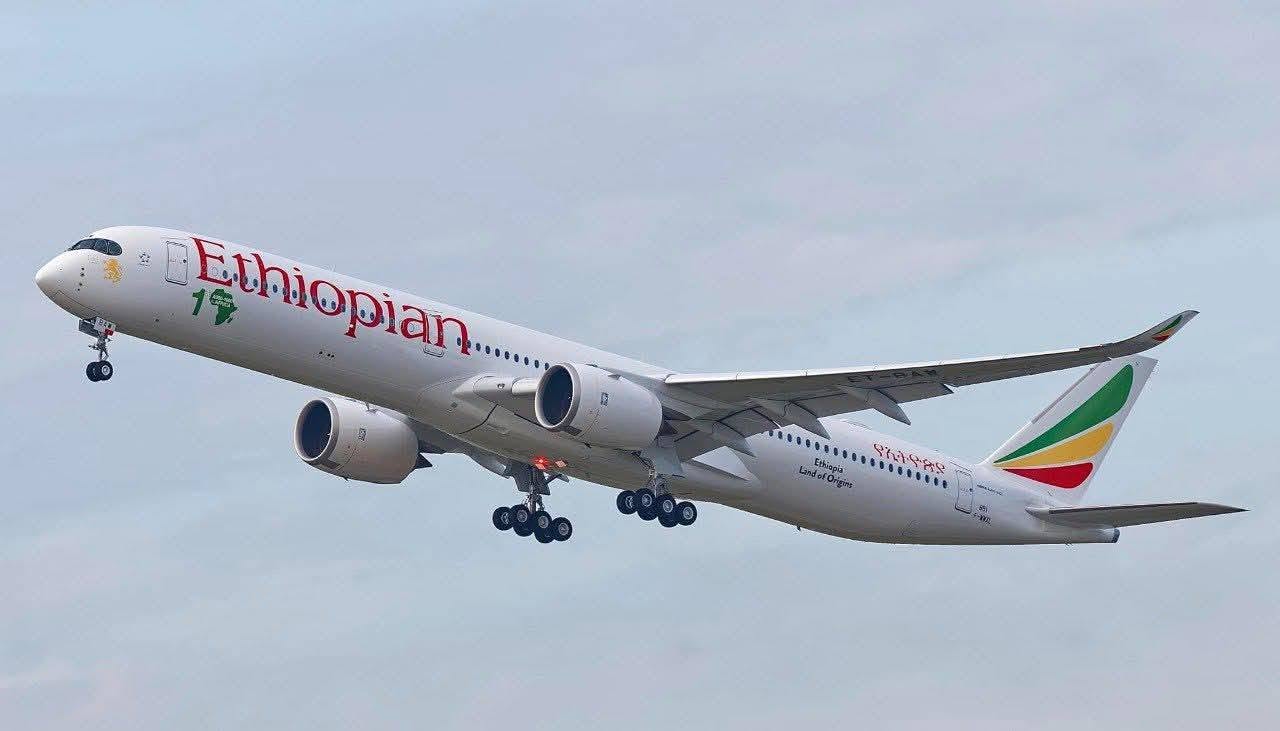
At the centre of this transformation is Ethiopian Airlines, which has grown into one of Africa’s most successful aviation enterprises and one of the continent’s strongest global brands.
The airline’s expansion has helped position Addis Ababa as a major aviation gateway, connecting Africa with Asia, Europe, the Middle East and the Americas while supporting trade, tourism and regional integration.
The airline’s growth reflects a broader national ambition: transforming connectivity into economic opportunity.
As Ethiopia advances toward a more diversified and globally connected economy, aviation has become more than a transport sector. It has emerged as a strategic pillar supporting investment, tourism, logistics, exports and the movement of people and goods across Africa and beyond.
The scale of Ethiopian Airlines’ expansion has created a new challenge — growing demand requiring new infrastructure capable of supporting the airline’s future ambitions.
Ethiopian Airlines Group has continued recording strong growth in passenger movement, with the airline transporting more than 20 million passengers annually.
The rapid increase in traffic has placed growing pressure on Addis Ababa Bole International Airport, whose expanded facilities are approaching their operational limits.
This reality has accelerated Ethiopia’s decision to develop Bishoftu International Airport, a mega aviation project designed to serve as the country’s next-generation gateway and strengthen its position as a continental aviation hub.
Located about 40 kilometres from Addis Ababa, the greenfield airport represents one of Africa’s most ambitious aviation infrastructure projects.
Designed with an ultimate capacity of up to 110 million passengers annually, the airport is being developed to accommodate Ethiopia’s long-term aviation growth, with the first phase planned to handle about 60 million passengers each year.
The project is expected to include advanced passenger facilities, cargo infrastructure and supporting services that will transform the surrounding area into a major economic zone linked with aviation, logistics, tourism and trade.
Beyond expanding passenger capacity, Bishoftu International Airport represents Ethiopia’s vision of building infrastructure that supports wider economic transformation. A modern aviation hub can accelerate exports, attract investment, strengthen tourism and improve Ethiopia’s role as a gateway connecting African markets with the rest of the world.
Ethiopian Airlines’ growth has already demonstrated the economic power of connectivity. Through its extensive international network, the airline has helped make Addis Ababa one of Africa’s leading aviation crossroads, creating opportunities for business, commerce and cultural exchange.
The airline’s expansion also aligns with Africa’s wider integration agenda. The success of the African Continental Free Trade Area depends not only on trade agreements but also on practical systems that allow people, goods and services to move efficiently across borders. Aviation is expected to play a critical role in making this vision a reality.
Ethiopian Airlines has consistently advocated for stronger cooperation among African carriers and a more integrated aviation sector that can support the continent’s economic ambitions. A stronger African air transport network, supported by modern infrastructure, can help unlock new opportunities for intra-African trade and tourism.
The development of Bishoftu International Airport is therefore not only an Ethiopian project; it represents a strategic investment in Africa’s future connectivity.
The airport’s location also creates new opportunities for tourism development. Better air access will support Ethiopia’s efforts to showcase its rich cultural heritage, historical destinations and natural landscapes to travellers from Africa and around the world.
From the highlands of Ethiopia to global destinations, aviation is becoming a bridge between economic potential and global opportunity.
Ethiopia’s aviation journey reflects the country’s broader transformation — using national capabilities, strategic investment and infrastructure development to build a more competitive economy.
From African wings to global horizons, Ethiopia is positioning its skies as a gateway for trade, tourism, regional integration and a more connected future.