
FROM NATURAL RESOURCES TO ECONOMIC RESILIENCE: ETHIOPIA’S DEVELOPMENT DRIVE SETS A BROADER BENCHMARK FOR AFRICA
Addis Ababa, November 2, 2026 (FMC) – The real value of a country’s natural resources is measured not simply by what lies beneath its soil, but by what they make possible for its people and economy. Ethiopia’s expanding natural gas initiative illustrates this principle, connecting domestic energy production with transportation, manufacturing, logistics and the wider ambition of economic self-reliance.
At a time when geopolitical tensions and disruptions in global fuel markets expose import-dependent economies to external shocks, Ethiopia’s move to utilize locally produced natural gas carries strategic significance.
Reducing reliance on imported petroleum can ease foreign currency pressures, strengthen energy security and retain more resources within the domestic economy.
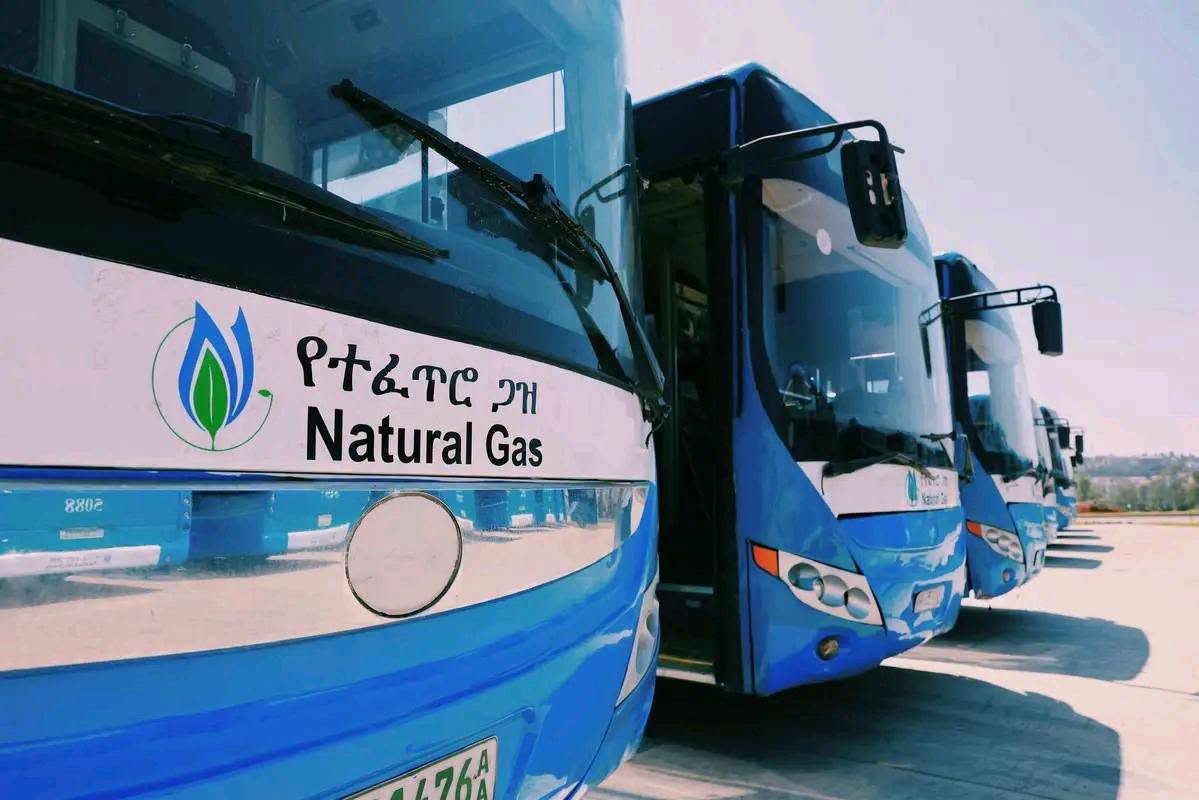
The conversion of 26 Addis Ababa city buses to natural gas demonstrates how this ambition is becoming tangible. With 400 additional buses expected, alongside efforts to extend conversion to taxis, the initiative is opening a new path towards more affordable urban transportation.
Prime Minister Abiy Ahmed has indicated that the transition will reduce operating costs and cut passenger fares by half, directly addressing an expense that weighs on household budgets.
The transformation extends beyond public transport. The Debre Berhan and Modjo ceramic factories have shifted from imported conventional fuel to locally produced natural gas.
Their production capacity exceeds national demand, illustrating how domestic energy can strengthen local manufacturing, reduce production costs and support more affordable construction materials.
Meanwhile, nearly 100 gas transportation trucks are expected to strengthen distribution, connecting production facilities with factories and other consumers.
More efficient gas delivery can help reduce industrial and logistics expenses, with potential benefits for construction costs and the transportation of agricultural produce from rural areas to urban markets.
Natural gas also holds prospects for fertilizer production and electricity generation, further expanding its contribution to the economy.
These developments reveal the wider significance of Ethiopia’s approach: energy, industry, transport and agriculture are interconnected.
Domestic energy can strengthen manufacturing; improved logistics can reduce distribution costs; and lower production expenses can contribute to more affordable goods and services. The objective is to turn natural resources into productive capacity rather than leave their value confined to extraction.
For Africa, this carries an important lesson. The continent’s abundant resources will deliver lasting prosperity only when matched by infrastructure, technology, local expertise and industries capable of creating value.
Ethiopia’s effort to connect natural gas production with practical economic applications offers a constructive example of how resource utilization can advance energy resilience and industrial development.
The initiative also reflects the broader direction of the Medemer Government: measuring development by its practical impact on citizens.
Much remains to be done to expand infrastructure, technical capacity and the range of natural gas applications. Yet the transition already underway demonstrates the importance of linking national resources with everyday economic needs.
Ultimately, Ethiopia’s ambition reaches beyond replacing imported fuel in buses and factories. It is about building an economy in which domestic resources power local industries, strengthen national resilience and make essential goods and services more affordable.
That is the development standard Ethiopia is working to advance—and a meaningful contribution to Africa’s pursuit of resource-based transformation and shared prosperity.