
Learning from Past Political Shortcomings Vital to Democratic Consolidation: President Taye
Addis Ababa, June 13, 2026 (FMC) – President Taye Atske-Selassie said learning from past political shortcomings is vital for Ethiopia’s efforts to build a modern democratic system and consolidate democratic governance.
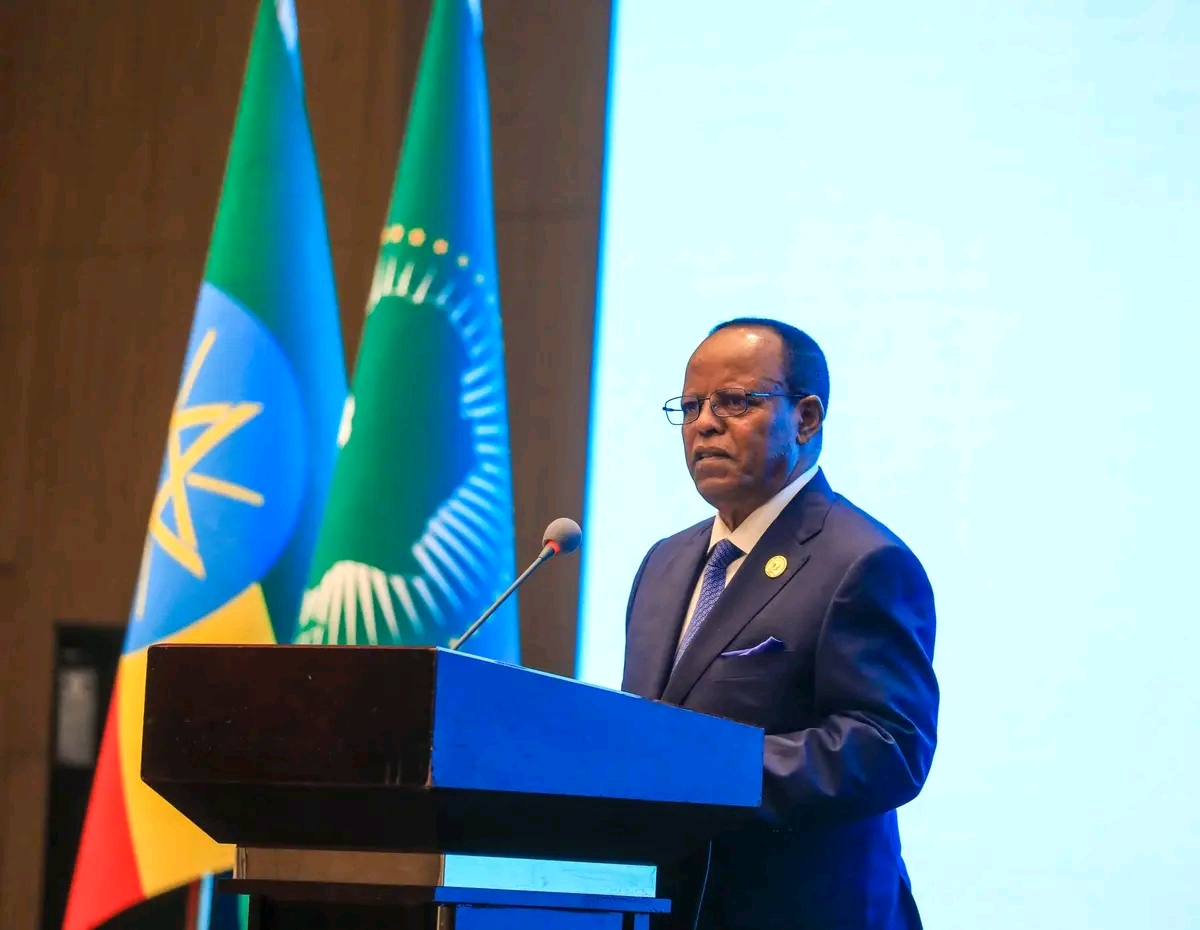
Speaking at a national recognition and appreciation ceremony organized by the Ethiopian Civil Society Organizations Council to mark the successful completion of the Seventh Ethiopian General Election process, the President said Ethiopia has historically faced challenges in which force often overshadowed dialogue, consultation, and democratic engagement.
He noted that these shortcomings have, at times, hindered the country from fully translating its political and developmental aspirations into reality.
The President stressed that holding peaceful elections while drawing lessons from past experiences is essential for strengthening a sustainable democratic culture and advancing a modern democratic system.
According to President Taye, meaningful democratic progress requires dialogue, consensus-building, respect for differing views, and unwavering adherence to the rule of law.
He said the responsible participation of citizens in the election reflects a strong commitment to democratic values and has helped reinforce public confidence in Ethiopia’s democratic institutions.
He further underscored that the millions of citizens who registered and cast their ballots did so out of a determination to shape the country’s future through democratic means, laying a strong foundation for future generations.
President Taye congratulated all individuals and institutions that contributed to the successful conduct of the election, emphasizing that the achievement ultimately belongs to the Ethiopian people.
The President also called on all political parties to respect the electoral outcome with patience and responsibility, and urged those elected to public office to serve the people with humility, accountability, and a steadfast commitment to the rule of law.
The Seventh Ethiopian General Election, held on June 1, 2026, saw more than 54 million registered voters eligible to participate.
A total of 42 political parties contested the polls, with 10,438 candidates running under party banners and 80 candidates competing as independents.
The election has received positive assessments from international observers. Observation missions from the African Union and the Intergovernmental Authority on Development described the vote as a significant milestone in Ethiopia’s democratic and electoral evolution, commending progress made in strengthening the country’s electoral and democratic institutions.
The peaceful completion of the election is widely regarded as an important step in Ethiopia’s ongoing efforts to consolidate democracy, expand political participation, and reinforce public confidence in constitutional governance.