
One of the Gravest Acts of Betrayal in Ethiopia’s Recent History
Addis Ababa, November 3, 2026 (FMC) – Ethiopia’s commemoration of November 3 is a solemn reminder of one of the gravest acts of betrayal in the country’s recent history: the attack by the illegal TPLF group on the Ethiopian National Defense Force (ENDF) Northern Command, an assault that exposed the destructive consequences of a bloodthirsty group placing its own interests above the lives of soldiers, the peace of communities and the survival of the country.
The attack was not an isolated episode detached from the TPLF’s political history.
The Amharic commemorative accounts portray it as the culmination of a long pattern of political conduct in which confrontation, coercion and violence repeatedly took precedence over the interests of the Ethiopian people.
For decades, the group’s political dominance and subsequent loss of power were accompanied by deepening divisions, serious grievances and recurring conflict.
For 27 years, the TPLF exercised dominant political influence over Ethiopia. Yet its removal from power following popular resistance did not bring an end to its confrontational politics.
Rather than accepting the changed political landscape and pursuing its interests through peaceful political engagement, the group retreated to Mekelle, where, according to the commemorative accounts, it continued to pursue a course that placed its own political survival above national stability.
The consequences were devastating. The group was accused of fomenting conflict, deepening divisions among communities, killing and abducting people, and undermining public peace.
Its political conduct brought suffering not only to the wider country but also to the people of Tigray, whose aspirations for peace, security and development were repeatedly overshadowed by the group’s power struggles.
But November 3, 2020, exposed the depth of that destructive political trajectory in its most shocking form.
On that day, the TPLF turned against the very national army that had served in Tigray, protected the country’s sovereignty and carried out its duties in the service of the people.
The Northern Command was not an invading force or an enemy army. Its members were Ethiopian soldiers performing their national responsibilities, many of whom had built relationships with local communities through years of service.
The commemorative accounts recall how ENDF members had supported communities in Tigray, assisted farmers, helped people in need and contributed to social services, including the construction of schools.
They served in difficult conditions, enduring extreme heat and cold, shortages and the hardships of military life, while remaining committed to their duty to the country.
The response they received was betrayal of the highest order.
The attack, described in the Amharic accounts as premeditated and coordinated, struck at the trust among soldiers who had once stood together in service of the same country.
It revealed the devastating lengths to which the TPLF was prepared to go in pursuit of its political objectives, even at the expense of the national institution entrusted with defending Ethiopia.
This was not simply an assault on military personnel. It was an attack on the country’s national defence institution and a direct blow to the trust, solidarity and shared sacrifice on which national service rests.
The soldiers who had devoted their lives to protecting Ethiopia were subjected to an assault by a group that had once shared the same national military ranks.
The betrayal also eposed the contradiction at the heart of the TPLF’s political conduct: a group that had exercised power over the country for decades ultimately turned its weapons against the national institution responsible for protecting it.
Its actions inflicted suffering on soldiers and communities and deepened a crisis whose consequences extended far beyond the military command it attacked.
The people of Tigray, above all, should never be made to carry the burden of a political group’s ambitions.
Their identity, dignity and future cannot be reduced to the interests of the TPLF, nor can the group claim to speak for an entire population while its political decisions bring them insecurity, division and hardship.
The interests of Tigray’s people are inseparable from peace, development, social cohesion and their equal place in Ethiopia.
The November 3 tragedy therefore carries a lesson that must never be forgotten: no political organization can be allowed to place its own survival above the country, turn national institutions into targets or sacrifice ordinary people to advance factional interests.
Political disagreements cannot justify treachery against the national army, just as the pursuit of power cannot justify violence against fellow citizens.
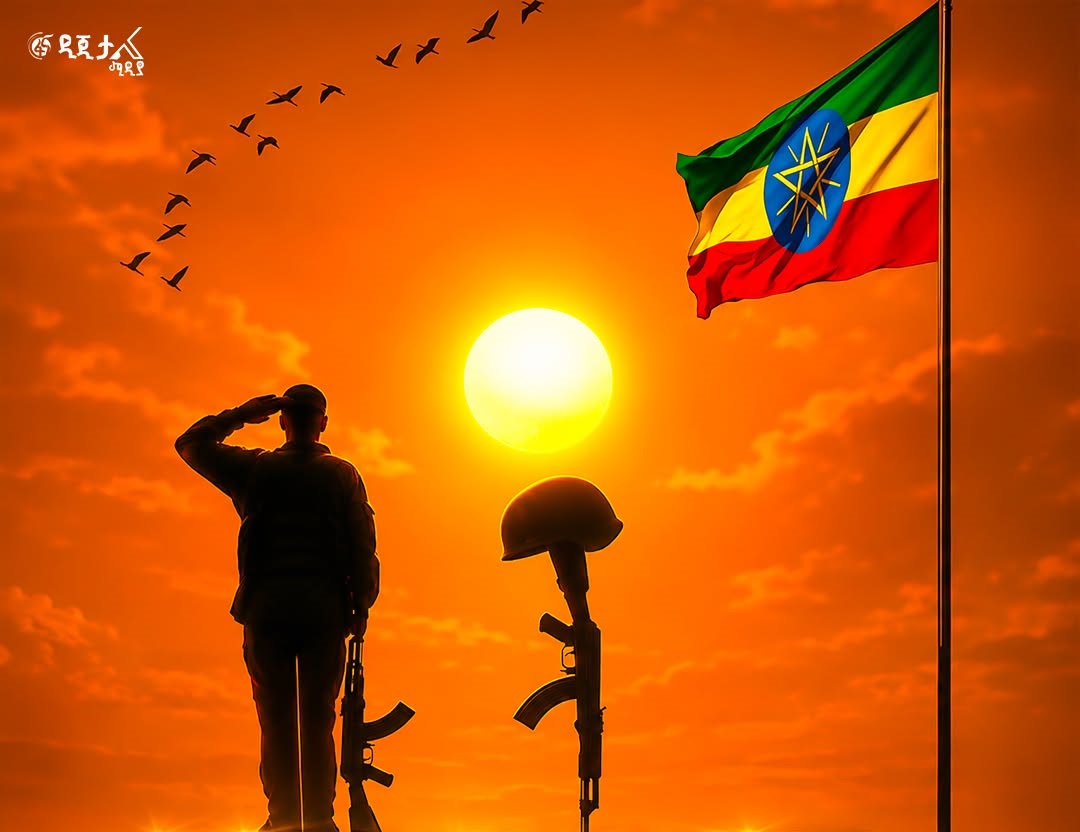
As Ethiopia honours the soldiers who lost their lives, the commemoration must also preserve the truth of what happened and the lessons it carries.
The sacrifices of the Northern Command members, their commitment to national service and the brutality of the betrayal they faced must remain part of the country’s historical memory.
The TPLF’s attack must never be normalized, excused or erased from history.
Remembering November 3 is not simply about looking back at a dark day; it is about rejecting the politics of violence, safeguarding national institutions and ensuring that no group can again drag the country and its people into destruction for the sake of its own political ambitions.