
Security Forces Foiled Attempts to Undermine Ethiopia’s 7th General Election, Minister Says
Addis Ababa, June 6, 2026 (FMC) — Ethiopia’s Ministry of Peace has stated that coordinated efforts by security institutions and broad public participation helped ensure the successful conduct of the country’s 7th General Election, despite what it described as attempts by extremist groups to disrupt the process before, during, and after voting.
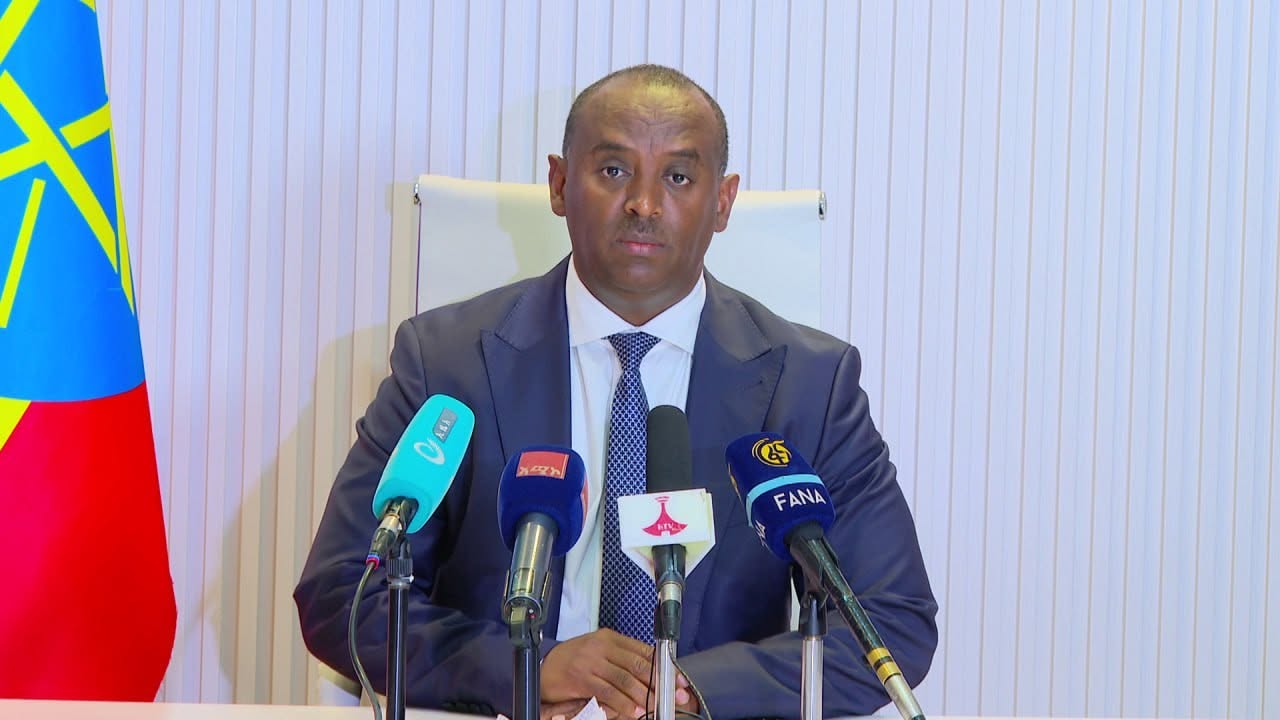
Peace Minister Mohamed Idris made the remarks in a media briefing on national and electoral developments, saying the election held on June 1, 2026, saw the participation of tens of millions of citizens across the country and marked a significant milestone in Ethiopia’s political development.
He said the electoral process was conducted in an environment shaped by sustained efforts to maintain peace and stability, while security institutions worked in coordination to prevent planned disruptions and safeguard public order during the voting period.
The minister stated that extremist groups had sought to undermine the election by spreading misinformation, creating fear, and discouraging citizens from participating, but said these efforts were ultimately rejected by the public, who turned out in large numbers to cast their votes.
He also noted that security forces successfully foiled attempted violent actions linked to the election period, ensuring that voting proceeded across most areas with relative stability.
Addressing broader security concerns, Mohamed Idris condemned recent attacks on civilians in parts of the Arsi Zone of the Oromia Regional State, which he said resulted in loss of life, destruction of property, and damage to religious institutions.
He stated that in Aseko Woreda, Deleta Chefe Kebele, four civilians were killed and an Ethiopian Orthodox Tewahedo Church, along with 65 houses, was burned. He also noted that in separate incidents in Shirka and Honqolo Wabe woredas, four civilians held hostage were killed, while eight security personnel lost their lives.
The minister said such attacks were part of broader efforts by armed groups to destabilize communities and should not be misrepresented or politicized in ways that could further inflame tensions.
He further stressed that religious institutions must not be used for political purposes, calling for responsible conduct in public discourse and warning against attempts to exploit places of worship during sensitive national situations.
Mohamed Idris noted that Oromia Region is home to numerous religious institutions, including thousands of mosques and monasteries, which he said have long been protected by local communities and authorities.
He also referenced isolated violent incidents during the election period, including a bomb attack at the University of Gondar in which one student was killed and others injured, describing it as part of attempted destabilization efforts.
The minister said discussions are ongoing between federal and regional authorities, as well as religious leaders, including the Ethiopian Orthodox Tewahedo Church leadership, aimed at addressing security challenges and strengthening coordination.
He added that despite these challenges, the election was successfully concluded and represents a significant moment in Ethiopia’s ongoing political development.
Mohamed Idris concluded by calling for continued vigilance against destabilizing forces and emphasized the importance of safeguarding peace, stability, and the integrity of democratic processes.