
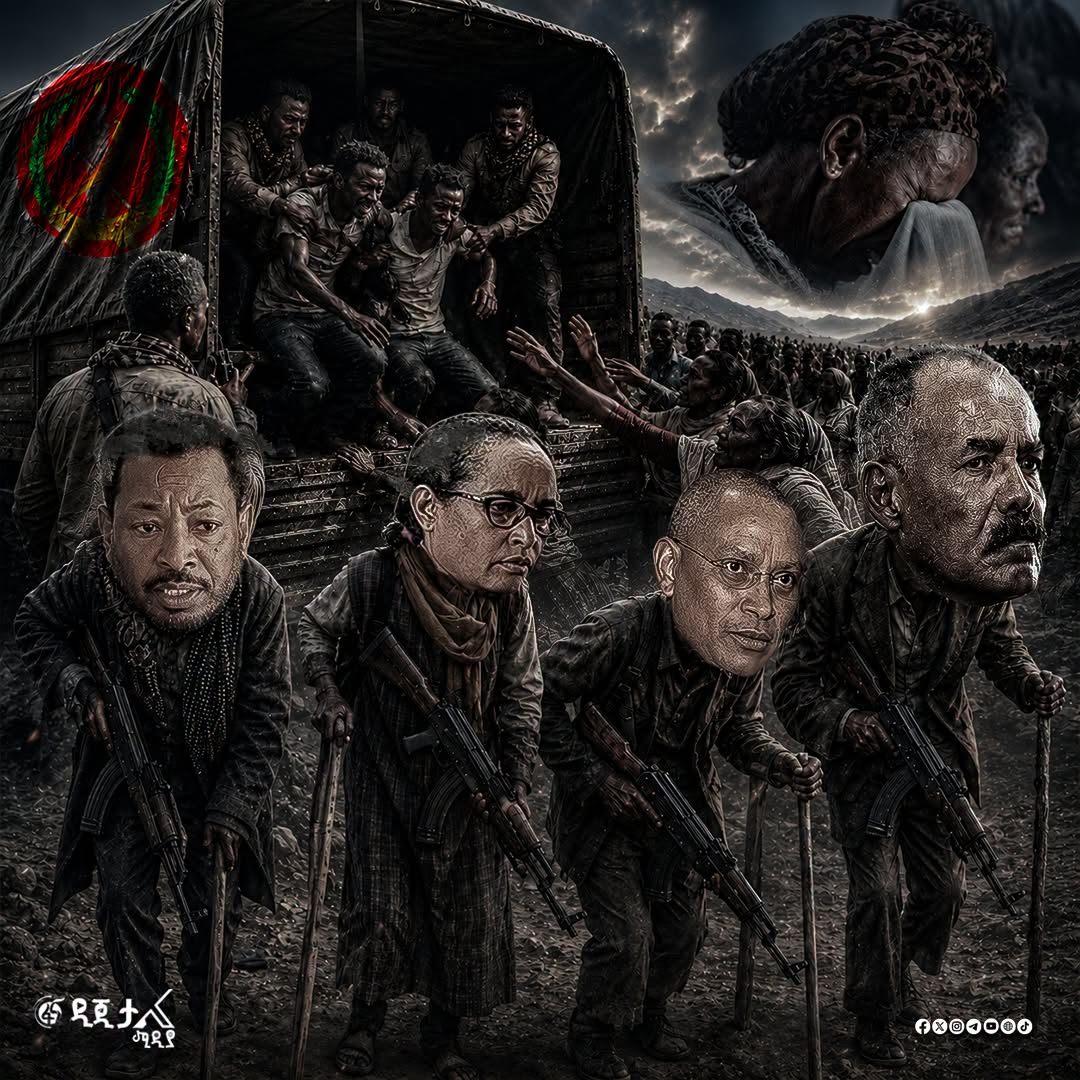
The Illegal TPLF’s Journey of Crisis: From a Distorted Narrative Struggle to the Brink of Extinction
Addis Ababa, August 10, 2026 (FMC) — The political trajectory of the illegal Tigray People’s Liberation Front (TPLF) has left a deep scar on Ethiopia’s modern history.
From its days in the bushes, the group built its struggle around the people of Tigray. Yet the strategies it pursued and the decisions it made have had far-reaching consequences for Ethiopia’s long-term national interests.
The group has faced extensive criticism, particularly over cementing Ethiopia’s statehood, the question of access to the sea and the distribution of national resources.
History shows that, during its years in the bushes, the illegal TPLF’s principal instrument for mobilizing the people of Tigray was a distorted narrative of victimhood and oppression.
While that narrative drew the people into a long and bitter struggle, the agreements the group reached with other armed groups on the eve of assuming power left a historic scar on the country.
The arrangements reached following the fall of the Derg regime ultimately contributed to Ethiopia losing its Red Sea outlet and becoming a landlocked country. That decision has continued to exact a heavy price on the country’s economic interests and sovereign security, both then and now.
During the 27 years that the TPLF-led EPRDF remained in power, widespread criticism held that a small circle of the group’s leaders and officials traded in the name of Tigray while accumulating substantial personal wealth.
Yet, in stark contrast, the people of Tigray did not experience a comparable transformation in their living conditions or sustainable development commensurate with the sacrifices made in their name.
Instead, much of the Tigray region’s population remained trapped in poverty and subsistence agriculture.
This has been cited as evidence that the group’s struggle ultimately served the interests of a handful of its leaders rather than those of the people it claimed to represent.
In the years following the political change in Ethiopia in 2018, and particularly in recent times, the group has continued to use the people of Tigray as a shield while engaging in illegal activities and turning against its own country.
Although the first conflict that broke out in 2020 was brought to an end through the Pretoria Peace Agreement, the group has yet to abandon its destructive course.
Its continued efforts to undermine Ethiopia’s peace, including by aligning itself with historic external adversaries, and its reported preparations for another war constitute a dangerous path that risks subjecting the people of Tigray to even greater suffering.
This course also represents an attempt to drive a wedge between the people of Tigray and their fellow Ethiopians elsewhere in the country.
Taken as a whole, the political journey of the illegal TPLF runs from a distorted narrative forged in the bush to decisions that contributed to depriving Ethiopia of its Red Sea outlet, followed by 27 years in power during which the name of the people was allegedly used to enrich a select few.
Today, its course of confrontation and preparations for renewed conflict once again threatens to expose the people of Tigray region to deeper suffering.
The people of Tigray region must therefore refuse to remain a shelter for a destructive force. Instead, they should stand together with the rest of the Ethiopian people to safeguard the country’s peace, unity and future.