
𝐓𝐡𝐞 𝐍𝐞𝐰 𝐅𝐥𝐨𝐰𝐞𝐫 𝐀𝐰𝐚𝐤𝐞𝐧𝐬: 𝐀𝐝𝐝𝐢𝐬 𝐀𝐛𝐚𝐛𝐚’𝐬 𝐑𝐞𝐢𝐧𝐯𝐞𝐧𝐭𝐢𝐨𝐧 𝐟𝐫𝐨𝐦 𝐃𝐢𝐩𝐥𝐨𝐦𝐚𝐭𝐢𝐜 𝐇𝐮𝐛 𝐭𝐨 𝐆𝐥𝐨𝐛𝐚𝐥 𝐃𝐞𝐬𝐭𝐢𝐧𝐚𝐭𝐢𝐨𝐧
Addis Ababa, July 19, 2026 (FMC) — Its name means “New Flower,” and Addis Ababa is increasingly seeking to live up to that identity by redefining itself as a city of renewal, connection and opportunity. Long recognized as the diplomatic capital of Africa, the Ethiopian capital is now undergoing a transformation that is reshaping not only its appearance but also the way the world experiences it.
For decades, Addis Ababa has been known as the political and diplomatic heart of Africa, hosting the headquarters of the African Union and numerous international organizations while serving as a meeting place for continental and global affairs. Yet, beyond its diplomatic importance, the city is now building a new narrative — one where tourism, business, culture and urban experiences are becoming equally central to its identity.
The ongoing corridor development initiative has become a defining feature of this transformation, turning long-standing urban challenges into opportunities for creating a more accessible, attractive and visitor-friendly capital.
The transformation is gradually shifting Addis Ababa from a city that many travelers once viewed mainly as a gateway to other Ethiopian destinations into a destination in its own right — a city where visitors can experience modern urban spaces, cultural heritage and the rhythm of a changing African metropolis.
The impact of this shift is already visible in the growth of conference tourism. Addis Ababa hosted more than 221 international conferences during the concluded fiscal year, rising from more than 150 conferences recorded in the previous fiscal year. The increase reflects the city’s growing competitiveness as a center for international meetings, business engagement and global dialogue.
The expansion of conference tourism is not accidental. It is supported by a broader urban transformation agenda aimed at improving infrastructure, public spaces, mobility and visitor services. These efforts are strengthening the city’s ability to welcome international guests while enhancing the daily experience of its residents.
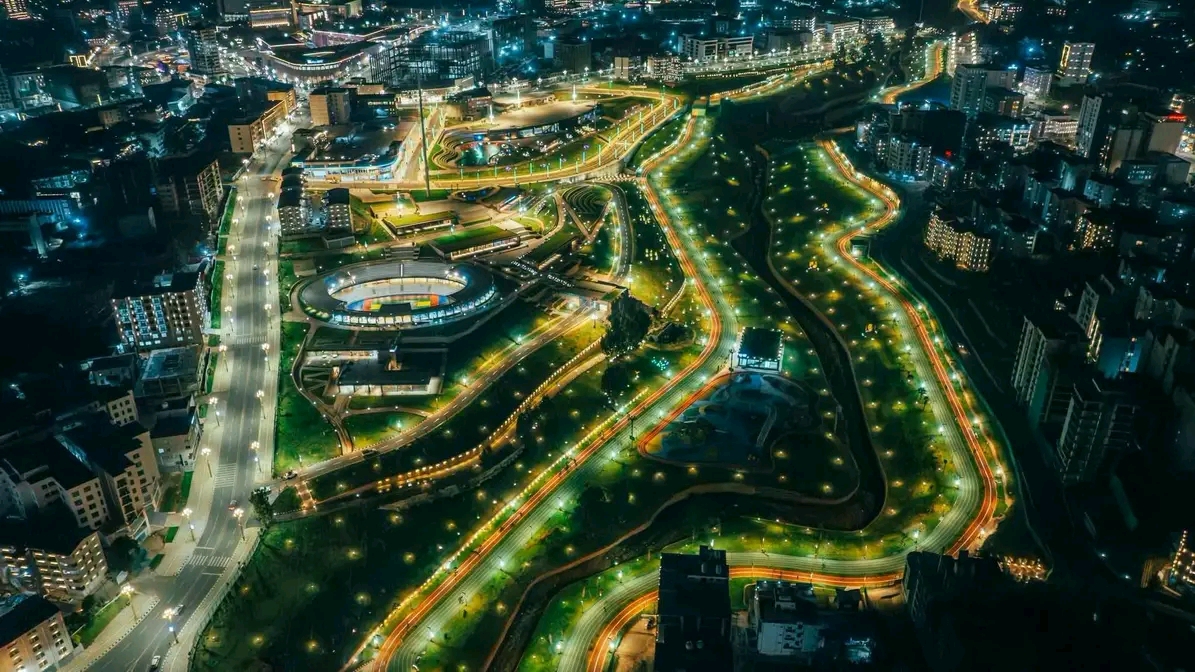
Under the corridor development initiative, Addis Ababa has witnessed major improvements in its urban landscape. Expanded pedestrian walkways, bicycle lanes, revitalized public spaces and redesigned squares are gradually changing the relationship between people and the city.
Areas once dominated by congestion and limited public accessibility are being reshaped into spaces designed for movement, interaction and recreation. The transformation is creating a more open and welcoming urban environment, allowing residents and visitors to engage with the city in new ways.
The renewal of Addis Ababa also extends to its natural and cultural identity. Urban improvement projects, including riverside developments and the enhancement of public areas, are contributing to a cityscape that seeks to combine modern urban living with Ethiopia’s unique heritage and environment.
These changes are helping the capital rediscover the meaning behind its name. Like a flower that continuously renews itself, Addis Ababa is presenting a new image — one that reflects ambition, resilience and transformation.
The city’s development forms part of Ethiopia’s wider effort to modernize urban centers and diversify economic growth beyond traditional sectors. By strengthening tourism, conference services, investment opportunities and creative industries, Addis Ababa is positioning itself as a more competitive African city.
The government-led urban initiatives have played an important role in accelerating this transformation, providing infrastructure and policy support aimed at improving the capital’s global standing. At the same time, the changes are contributing to a broader shift in how Addis Ababa is perceived by residents, visitors and international partners.
As the city continues to evolve, its role as Africa’s diplomatic capital is being complemented by a growing identity as a tourism and business destination. The same city that has hosted generations of diplomatic negotiations is now opening new spaces for exploration, investment and cultural exchange.
Addis Ababa’s story is therefore moving beyond its traditional reputation as a center of politics and diplomacy. It is becoming a city that invites the world not only to meet, but also to stay, discover and experience.
The “New Flower” is blooming again — not by abandoning its history, but by building upon it to create a new urban future.