
Ethiopia Advocates Science-Based, Preventive Approach to Climate Risk Management in Africa
Addis Ababa, April 10, 2026 (FMC) — Ethiopia has called for a decisive shift toward science-based, preventive approaches to climate risk management, urging African countries to move beyond reactive responses and build resilient systems anchored in unity, foresight, and institutional strength.
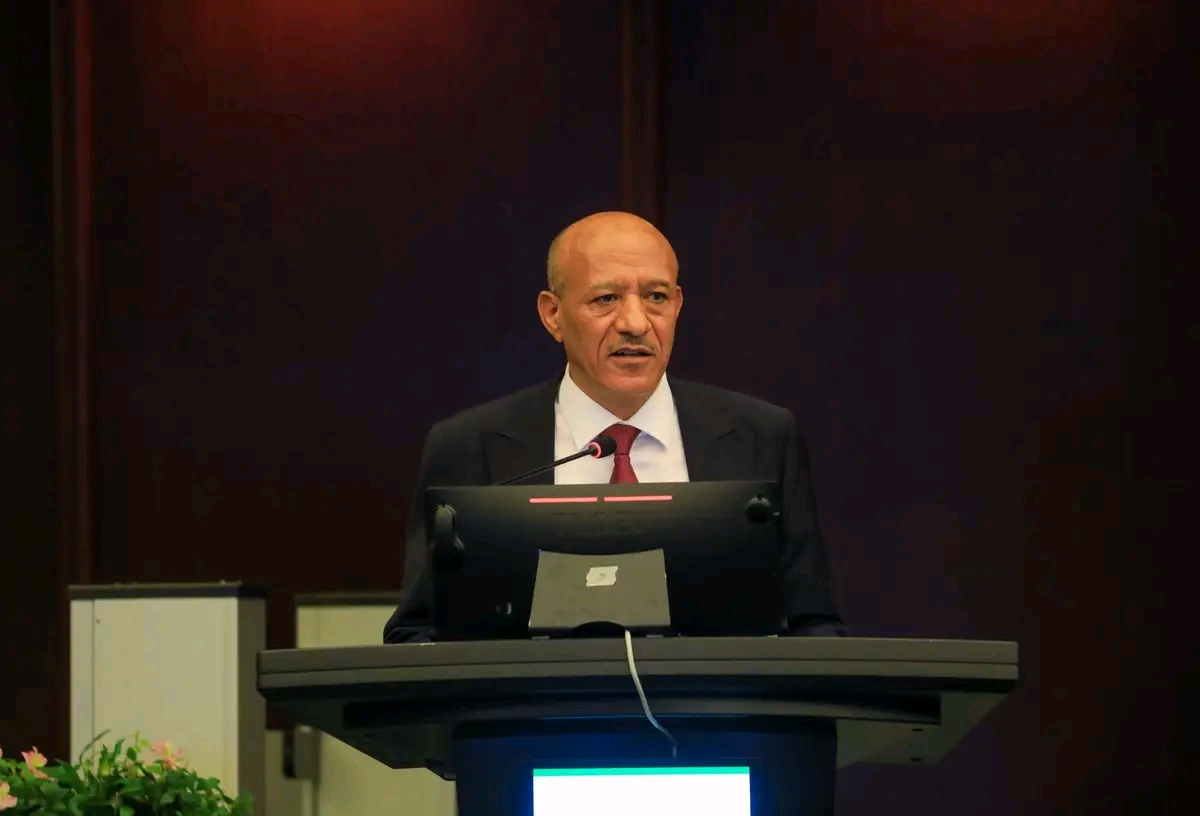
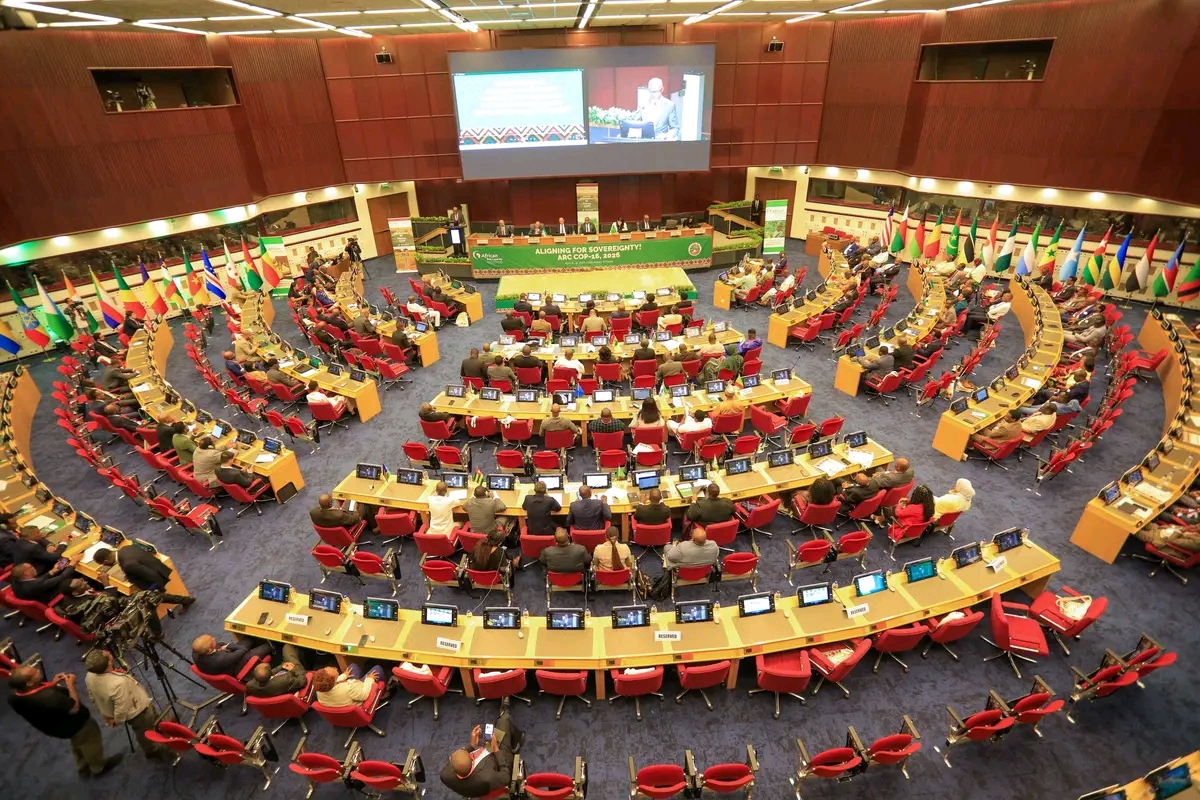
Speaking at the opening of the 16th Session of the African Risk Capacity Conference ARC-COP16 in Addis Ababa, Deputy Prime Minister Temesgen Tiruneh underscored that Africa’s unity must serve as a practical force in confronting the growing impacts of climate change and shaping a more resilient continental future.
He noted that climate change is no longer a distant or abstract threat, but a present and intensifying reality affecting livelihoods across Africa — a challenge that demands resolve, coordinated action, and a departure from fragmented responses.
The Deputy Prime Minister stressed that Africa can no longer afford to operate within a cycle of crisis and dependency, where external assistance is sought only after disasters occur. Instead, he called for sustained investment in prevention, preparedness, and data-driven, science-based systems capable of anticipating risks before they escalate into full-scale crises.
Such an approach, he emphasized, is central not only to protecting lives and livelihoods but also to safeguarding national sovereignty and long-term development gains.
Highlighting Ethiopia’s role, Temesgen pointed to ongoing national efforts to build climate resilience, including large-scale environmental restoration under the Green Legacy Initiative, expansion of renewable energy, and initiatives aimed at strengthening food sovereignty and regional connectivity.
He further warned that both natural and man-made disasters are increasing at a time when global support mechanisms are becoming less predictable, reinforcing the urgency for Africa to rely more on its own capacities and institutions.
In this regard, the Deputy Prime Minister underscored the critical importance of strengthening continental mechanisms such as the African Risk Capacity, describing them as indispensable for improving risk identification, enhancing preparedness, and enabling swift, effective, and dignified responses to disasters.
He reaffirmed Ethiopia’s readiness to work closely with African partners in advancing a future defined not by vulnerability, but by resilience, sovereignty, and shared progress.