
UNECA Chief Urges Urgent Action on Africa’s Debt and Financing Pressures
Addis Ababa, May 6, 2026 (FMC) — The Executive Secretary of the United Nations Economic Commission for Africa has called for urgent and coordinated action to address Africa’s rising debt burden and shrinking fiscal space, warning that mounting financing pressures are undermining the continent’s development trajectory.
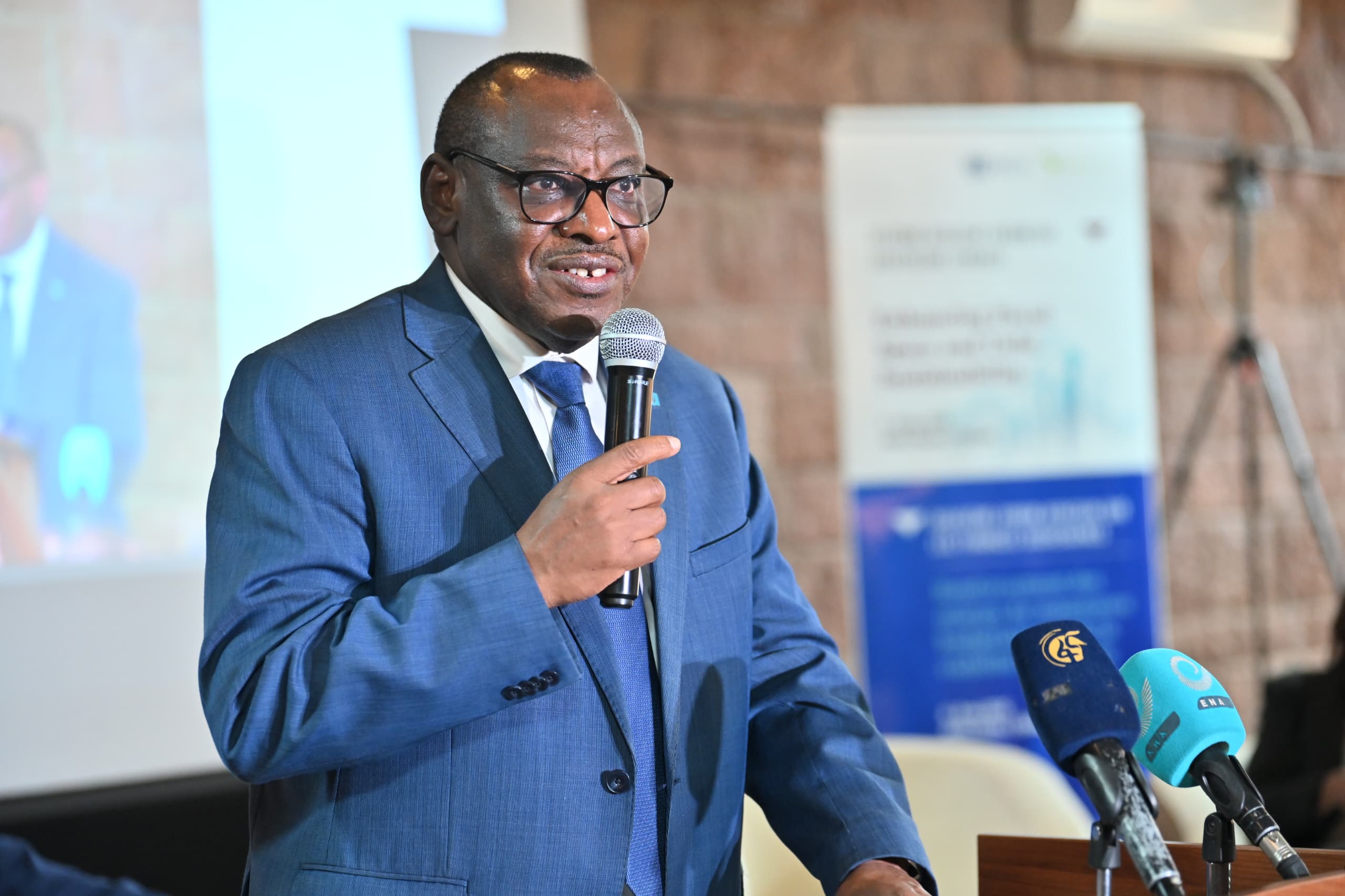
Speaking at the opening of the Second African Forum on Sovereign Finance in Addis Ababa, Claver Gatete said African economies are operating in an increasingly complex global environment marked by tightening financial conditions, geopolitical tensions, and persistent uncertainty.
“These global shifts are directly shaping fiscal space, constraining policy choices and raising the cost of capital at a time when investment is most needed,” he said.
Despite these challenges, Gatete noted that Africa’s economic growth has shown resilience, reaching 3.9 percent in 2025 and projected to rise further in the coming years. However, he cautioned that this momentum is under threat from escalating debt pressures.
He indicated that 16 African countries are at high risk of debt distress, while seven are already in distress, with external debt estimated at around 1.2 trillion U.S. dollars. In many cases, more than a quarter of public revenues are now directed toward servicing debt.
“In practical terms, this means classrooms not built, clinics not staffed, and jobs not created,” he stressed.
The UNECA chief also highlighted structural challenges in the global financial system, particularly in how African economies are assessed and priced. He noted that only two countries on the continent currently hold investment-grade ratings, while many remain unrated.
He warned that mispricing of risk is leading to higher borrowing costs, with some African countries paying more than their economic fundamentals would justify.
Gatete further underscored the need for reforms to global financial architecture and reiterated support for initiatives aimed at strengthening Africa’s voice in international financial governance, including efforts to establish an Africa Credit Rating Agency.
He emphasized that the forum will focus on practical solutions, including integrating sustainability into debt strategies, strengthening institutional and data systems, improving investor engagement, and scaling up innovative financing instruments.
Calling for concrete outcomes, Gatete urged participating countries to leave the forum with clear, actionable roadmaps aligned with climate and development priorities.
“Every decision you make carries real consequences for millions of Africans,” he told delegates, stressing the link between sovereign financing decisions and public service delivery.
He also highlighted the growing importance of climate finance, noting that achieving climate goals will require credible, transparent, and scalable financing systems, particularly as Ethiopia prepares to host COP32 on behalf of Africa.
The UNECA chief reaffirmed the Commission’s commitment to supporting member states through policy advice, capacity building, and partnerships aimed at strengthening fiscal resilience and sustainable development.