
Ethiopia expands legal migration channels, dispatches half a million workers overseas in 9 months
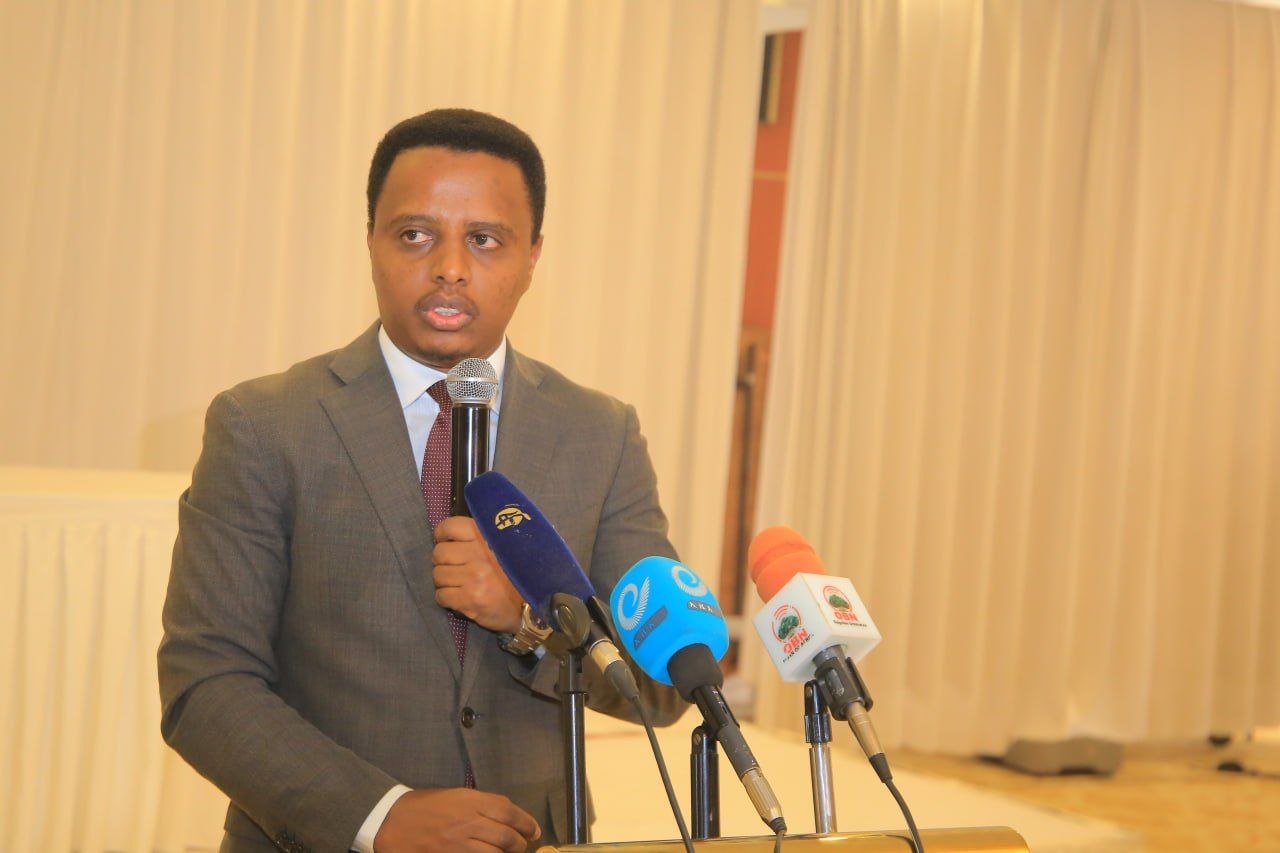
Addis Ababa, April 25, 2026 (FMC) — Ethiopia has recorded a sharp rise in overseas employment, dispatching more than 500,000 citizens abroad over the past nine months, State Minister of Labor and Skills, Daniel Teressa, announced.
The state minister disclosed the figures during a Proclamation Familiarization Workshop held in Addis Ababa.
According to Daniel, the scale of labor migration has expanded dramatically within a short period. From an annual deployment of around 40,000 workers in 2022, the country has sent over half a million citizens—primarily to Gulf countries—within just nine months.
He attributed the surge to comprehensive structural reforms undertaken in the sector.
Opening the workshop, Daniel highlighted the transformative progress achieved over the past five years, noting that wide-ranging reforms in labor and skills development have been implemented. These include the introduction of strengthened legal frameworks and the digitalization of administrative systems.
He explained that these changes were aimed at modernizing the labor market by ensuring services are efficient, transparent, and accessible.
The state minister further emphasized that recent revisions to the Overseas Employment Proclamation—the third in a decade—have played a key role in curbing human trafficking by expanding legal migration pathways. These reforms, he noted, have created opportunities for domestic, semi-skilled, and highly skilled workers alike.
“Stakeholders must act with responsibility and foresight to ensure these benefits are widely shared while minimizing the risks associated with migration,” Daniel said, describing well-managed labor migration as a powerful driver of national economic growth.
Yewubdar Hailu, Team Lead at SNV (Netherlands Development Organization), commended the government’s policy direction, stating that Ethiopia’s labor and skills strategies are increasingly aligned with the aspirations of job-seeking youth and women.
She noted that collaborative efforts under Proclamation No. 1389/2025 mark a turning point in promoting safe migration, reducing irregular movement, and fostering entrepreneurship.
“Through these partnerships, there is a clear commitment to addressing the challenges faced by prospective migrants,” Yewubdar said, underscoring the importance of targeted training and awareness of workers’ rights.
Participants from regional bureaus and various employment agencies concluded the workshop by emphasizing the need for sustained collaboration, noting that continuous engagement among stakeholders is essential to safeguard workers’ rights and ensure the sector’s contribution to Ethiopia’s broader development goals.