
Ethiopia’s Education Reform Sets Its Sights on Character, Knowledge and the Challenges Ahead: Minister
690
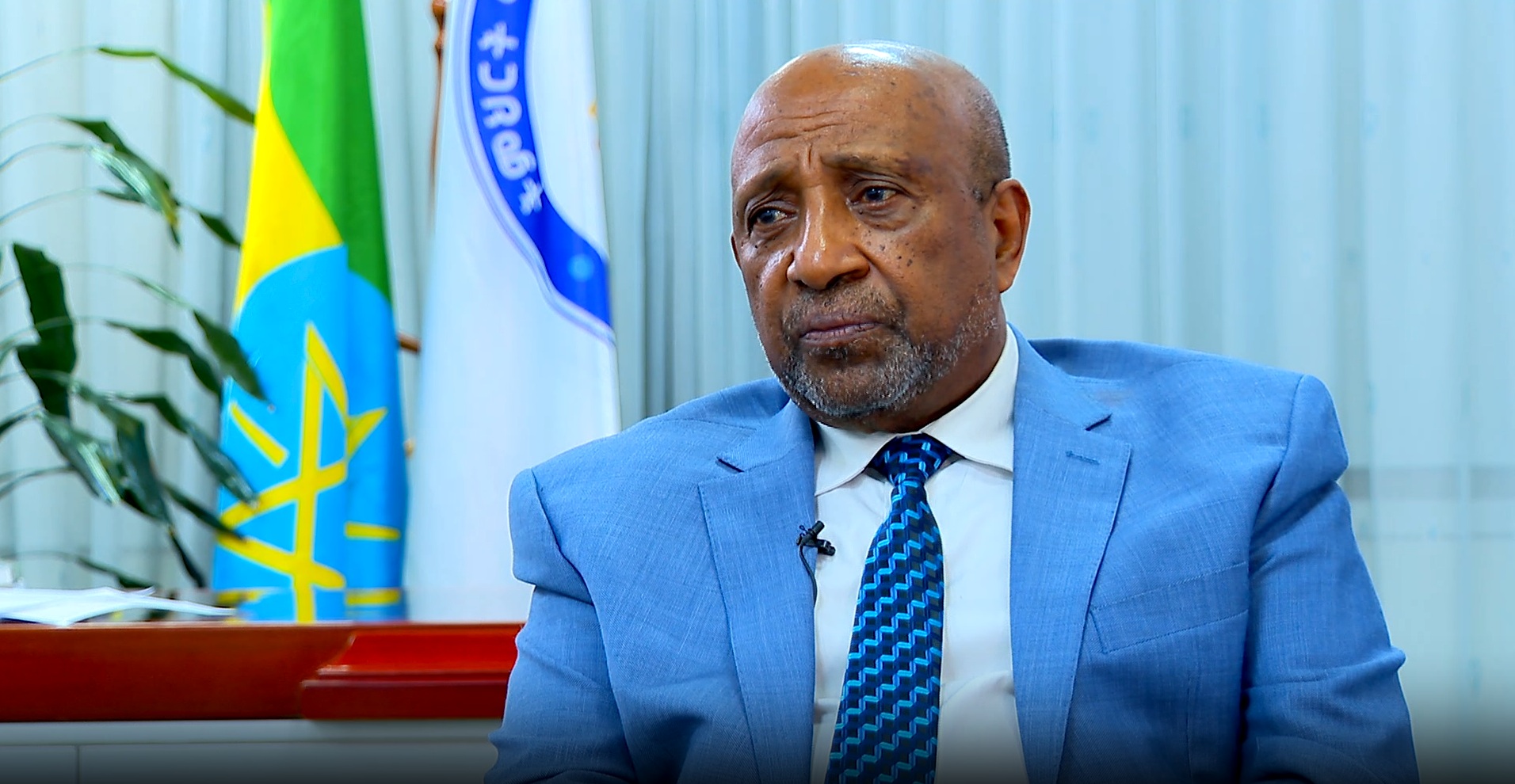
Addis Ababa, September 14, 2026 (FMC) — Ethiopia’s ongoing education reforms are laying the groundwork for a generation that is morally upright, scientifically capable, and prepared to compete in an increasingly challenging global environment, Education Minister Prof. Berhanu Nega said.
Prof. Berhanu said the primary objective of the reforms is to ensure high-quality and equitable education for Ethiopians while preparing the younger generation to face future challenges and compete globally.
“Our purpose is quality—significant quality improvement and equity—to make sure that the gap between the rich and the poor in education, which has widened significantly over the last 30 or so years, will be narrowed.”
The Minister said the government is undertaking a range of measures toward these objectives, including improving teacher quality, expanding access to school supplies, increasing kindergarten services, and upgrading school infrastructure.
He noted that kindergarten education, which was previously more accessible to wealthy families in urban areas, is now being expanded to serve a wider segment of the population.
The government is also investing in school infrastructure to create learning environments that are more attractive and conducive to students, he added.
Prof. Berhanu further explained that curriculum reform is a key component of the education transformation, with the aim of enhancing students’ knowledge and academic abilities while fostering their moral character and sense of responsibility toward society.
The revised curriculum is designed to produce citizens who are “morally upright, intellectually capable, and technically astute,” he said.
He noted that the reforms are also intended to equip Ethiopian students to navigate a rapidly changing world shaped by geopolitical tensions, technological advances, and other emerging global challenges.
The Minister emphasized that the generation Ethiopia seeks to develop should be scientifically and technically capable, understand technological change and how the planet operates, and possess the skills needed to translate knowledge into practical achievements in the economy and other areas of life.
“We want to make sure that in the education sector we have cultivated a sufficient number of Ethiopian children—the next generation—who are capable of withstanding all that we think is emerging,” he explained.
He stressed that the generation Ethiopia seeks to nurture should look beyond individual interests and make meaningful contributions to the wider society, as reported by local news agency ENA.
“What we want from the coming generation is moral uprightness—a generation that thinks not just for itself, but also for the society in which it lives,” he said, emphasizing that this is the kind of holistic generation Ethiopia aims to create.