
Ethiopia’s Green Legacy Redefines the Value of Environmental Action with Food and Export Gains
Addis Ababa, July 26, 2026 (FMC) — Ethiopia’s Green Legacy Initiative is increasingly demonstrating that environmental action can deliver tangible economic outcomes, as trees planted under the flagship national campaign are now supporting food production, creating market opportunities, improving rural livelihoods, and contributing to the country’s export ambitions.
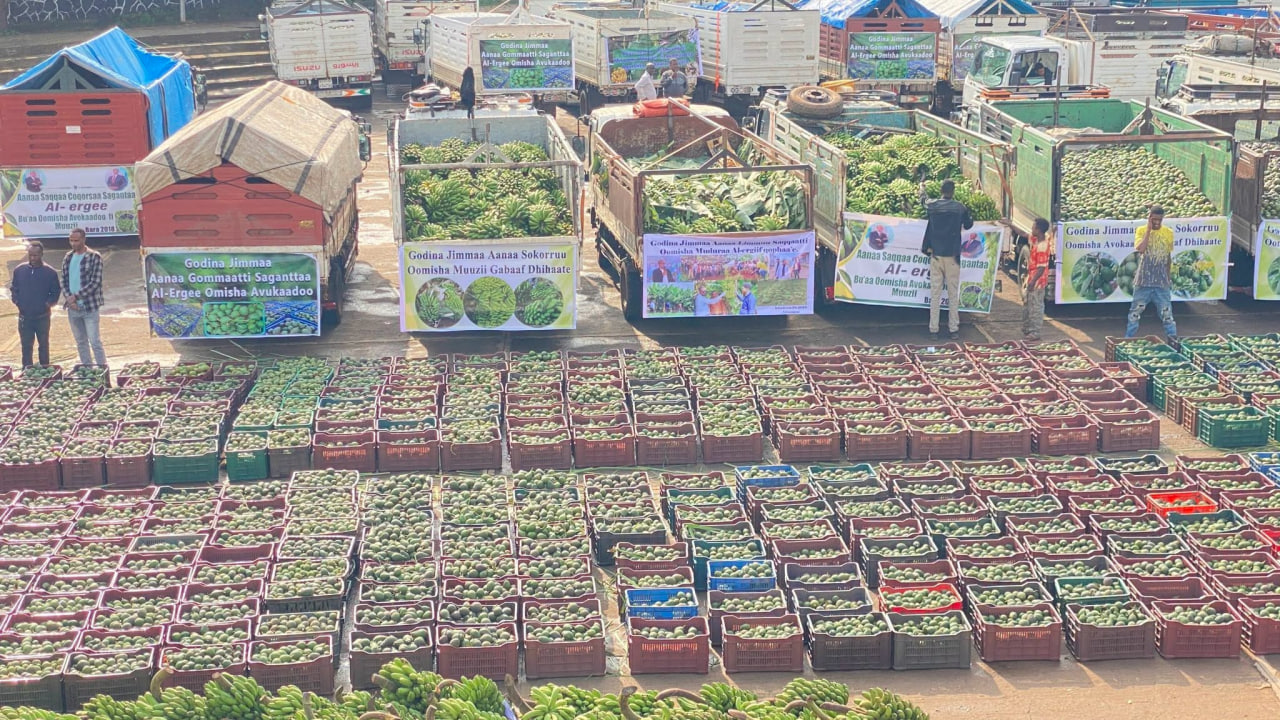
Jimma Zone in the country’s Oromia region stands as a testament to this evolving impact, with avocado trees cultivated through the Green Legacy Initiative now entering production and connecting environmental restoration efforts with domestic supply chains, agro-industrial development and international markets.
Jimma Zone Administrator Tijani Nasir said today that avocado seedlings planted through the initiative over the past several years have started bearing fruit, creating new income opportunities for farmers while contributing to Ethiopia’s growing agricultural export sector.
The administrator said various avocado varieties have been cultivated on 18,316 hectares of land across the zone under the initiative.
According to him, avocado and banana products produced in the zone are now being supplied to domestic and international markets while also serving as raw materials for agro-processing industries.
He disclosed that 73,000 kilograms of avocados and 550,000 kilograms of bananas produced across all districts of the zone were exported today.
Tijani added that farmers are benefiting from a market linkage established with BMW Company, through which avocados are being purchased at 60 birr per kilogram, enabling producers to secure better returns from their harvests.
He noted that the zone is also expanding production of avocado, banana and honey alongside its internationally recognized coffee sector, as part of efforts to diversify export commodities, strengthen foreign exchange earnings and create broader economic opportunities for rural communities.
The development highlights the expanding significance of Ethiopia’s Green Legacy Initiative, which has grown beyond its initial environmental restoration goals into a broader platform linking ecological recovery with productive economic activities. Since its launch in 2019, the initiative has promoted the planting of indigenous forest species, fruit trees, coffee seedlings, fodder plants, fuelwood trees and other multipurpose agroforestry species.
Through these efforts, Ethiopia is seeking to restore degraded landscapes while building resilient food systems, strengthening rural economies, supporting agro-industries with sustainable raw materials and increasing the production of market-oriented agricultural commodities.
The initiative also contributes to climate resilience by protecting watersheds, improving soil fertility, conserving biodiversity, enhancing water resources and reducing the impacts of climate-related challenges such as droughts and floods. These efforts align with Ethiopia’s broader Climate-Resilient Green Economy strategy, which aims to pursue sustainable development while addressing environmental pressures.
The emergence of productive avocado and other high-value agricultural crops from Green Legacy plantations illustrates a new dimension of Ethiopia’s environmental campaign — where trees planted for ecological restoration are becoming assets that support food security, income generation, industrial development and export growth.
The experience from Jimma Zone reflects Ethiopia’s broader ambition to transform the Green Legacy into a long-term foundation for sustainable development, demonstrating how environmental investments can generate economic value while strengthening resilience for future generations.