
Ethiopia’s Urban Corridors Give Cultural Festivals New Stages for Heritage and Tourism
631
Addis Ababa, September 7, 2026 (FMC) — Ethiopia’s rich natural, religious and cultural heritage is finding new urban settings through the transformation of city corridors, where modern public spaces are increasingly providing vibrant venues for festivals, communal celebrations and tourism.
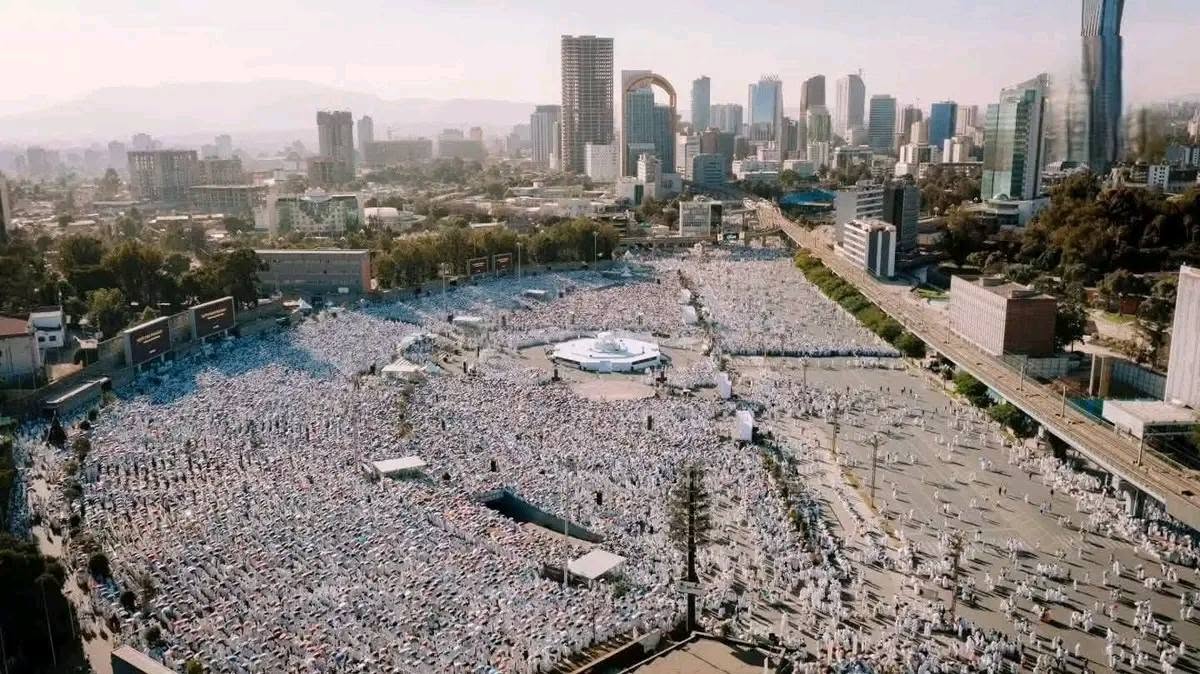
Ethiopia’s cultural identity is vividly expressed through public festivals that connect generations, bring history into contemporary urban life and open distinctive cultural traditions to visitors from around the world. When celebrated in well-developed public spaces, these occasions become more than moments of cultural observance—they become living showcases of the country’s heritage and the character of its cities.
The ongoing corridor development across Ethiopian cities is adding a new dimension to this cultural landscape. Cleaner and more accessible streets, improved public spaces and revitalized urban areas are creating settings in which festivals and other public celebrations can be held with greater visibility and convenience, while also enhancing the overall experience for residents and visitors.
Festivals such as Meskel, Irreecha, Timket, Yoyo Gifaata, the Shuwal Eid Festival and Fichee-Chambalaalla, alongside the Gadaa system of the Oromo and the Xeer customary legal system of Somali communities, form part of Ethiopia’s rich intangible cultural heritage recognized by UNESCO.
Their continued celebration not only keeps traditions alive but also brings communities, visitors and cultural heritage together in public spaces. For international visitors, such occasions offer an opportunity to encounter Ethiopia’s diverse traditions in their living context rather than only through museums or historical sites.
This is where urban development and cultural heritage increasingly intersect. As cities modernize and public spaces are improved, venues hosting major celebrations can become prominent windows into Ethiopia’s heritage, while the surrounding urban environment adds to the appeal of the experience.
Corridor development can therefore contribute to tourism beyond the physical improvement of cities. By creating cleaner, more attractive and better-organized urban environments, it can help cities accommodate cultural gatherings, improve the visitor experience and strengthen the connection between public celebrations and local tourism economies.
The transformation is particularly significant because cities serve as important gateways through which international visitors encounter a country. Public festivals held in revitalized urban settings can place Ethiopia’s cultural diversity alongside its changing urban landscape, offering visitors a more comprehensive picture of a country where ancient traditions continue to evolve within modern city life.
The combination can also encourage visitors who arrive for a particular festival to extend their stay and explore other destinations across the country. As urban centers become more attractive and connected, cultural events can serve as entry points to wider tourism circuits, potentially increasing visitor spending and broadening the economic benefits of tourism.
In this sense, corridor development is becoming part of a broader effort to make Ethiopian cities not only more functional places to live and move through, but also more welcoming spaces in which culture, community life and tourism can converge.
The result is a new urban backdrop for some of Ethiopia’s oldest traditions—one in which public festivals can continue to serve their cultural purpose while also opening a contemporary window onto the country for visitors from across the world.