
IGAD Moves to Forge Regional AI Framework to Drive Integration, Development
Addis Ababa, September 4, 2026 (FMC) — The Intergovernmental Authority on Development (IGAD) is moving to establish a common regional framework for artificial intelligence, seeking to harness the rapidly advancing technology as a strategic instrument for economic integration, development and collective digital sovereignty across the Horn of Africa.
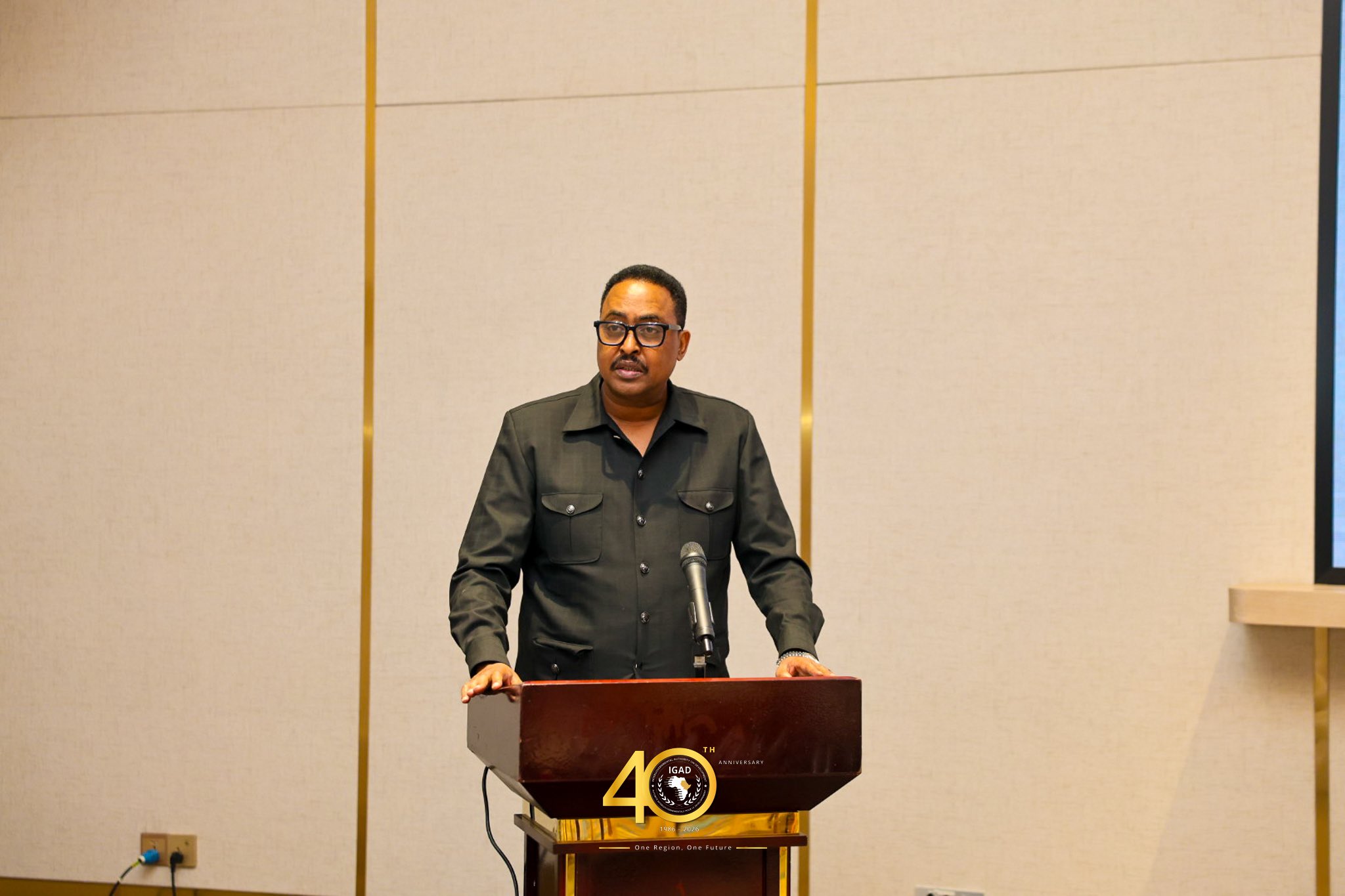
Opening a two-day regional consultation in Addis Ababa, IGAD Executive Secretary Workneh Gebeyehu said the region should move beyond being a passive participant in the global digital transformation and instead take an active role in shaping how artificial intelligence is developed and deployed.
He said the question for the region is no longer whether AI will transform its economies and societies, but how member states can harness the technology to accelerate development, improve people’s lives and strengthen their collective future.
Workneh positioned AI as a force multiplier for IGAD’s broader regional integration, peace and economic agenda, arguing that the technology could accelerate economic integration by enabling virtual connectivity that transcends geographical boundaries.
He said the technology could be particularly consequential in addressing some of the region’s longstanding development challenges, including food insecurity, climate shocks and limited access to essential services.
AI-powered applications could strengthen agricultural productivity and food security, improve climate modelling and early-warning systems for droughts and floods, and expand access to healthcare through diagnostics and disease surveillance, particularly for remote and border communities, he said.
Workneh also placed data sovereignty and accountability at the center of the emerging regional AI agenda, arguing that territorial sovereignty in the digital era increasingly depends on countries’ ability to control, manage and responsibly use their own data.
He called for stronger national, regional and eventually continental regulatory approaches to AI, stressing the need to protect the region’s digital space while ensuring that technological progress is accompanied by accountability, security and public confidence.
For IGAD, he said, regional cooperation should include sharing data and resources, harmonizing policies, and developing cross-border and institution-to-institution initiatives. Such cooperation would allow member states to collectively pursue opportunities that individual countries would struggle to achieve alone.
Workneh stressed that the emerging framework should be owned by IGAD member states rather than treated as a Secretariat-led project, placing national ownership at the center of the consultation process.
He identified three strategic priorities for the deliberations: directing AI investment toward areas capable of delivering the greatest socioeconomic impact; closing gaps in digital infrastructure, policy and human skills; and building stronger regional synergies through policy harmonization, cross-border initiatives and cooperation among governments and other institutions.
He urged participants to approach the process with a bold vision and analytical rigor, while developing an AI ecosystem capable of retaining talent and attracting sustainable investment to address the region’s most pressing challenges.
Ethiopia’s Director for IGAD Affairs at the Ministry of Foreign Affairs, Ketema Haile, meanwhile, said AI presents an opportunity to overcome traditional development constraints and unlock the potential of the region’s people, particularly its youth.
He said Ethiopia recognizes the transformative role of digital technologies and AI in national and regional development and remains committed to advancing a secure, inclusive and human-centered AI agenda in cooperation with IGAD member states.
Ketema stressed that realizing AI’s potential requires coordinated regional action, effective policy frameworks and strategic investment in human capital, digital infrastructure, research and innovation.
He also highlighted Ethiopia’s newly established Artificial Intelligence University, expressing the expectation that the institution could contribute to AI development beyond Ethiopia and benefit IGAD member states and the wider African continent.
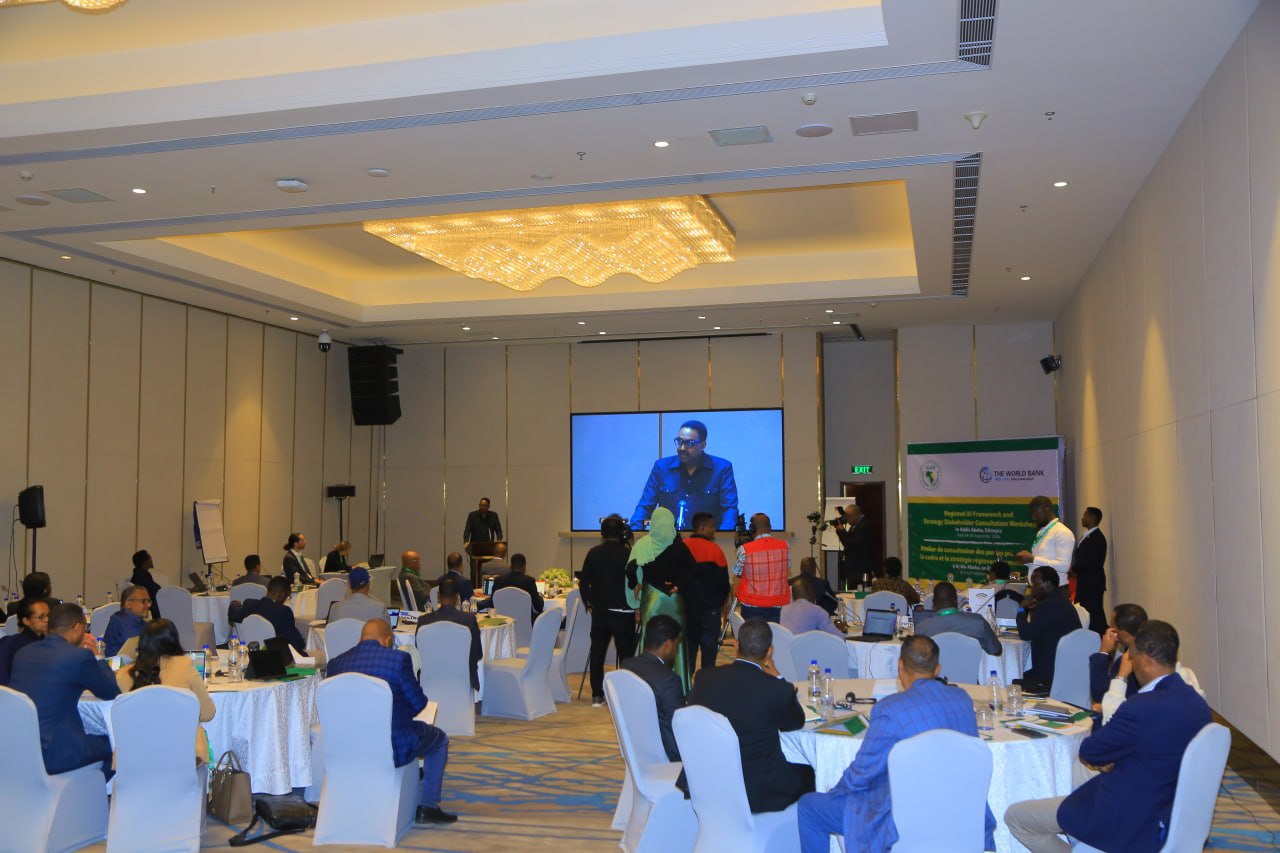
The regional consultation is examining the differing levels of AI readiness among IGAD countries, including policy and regulatory systems, institutional capacity, digital infrastructure, data ecosystems, research and innovation, and human capital.
The process is also intended to identify common priorities, regional cooperation mechanisms and areas for capacity building, investment and partnership, while aligning the emerging regional approach with the African Union Continental AI Strategy and the UN Global Digital Compact.
The two-day consultation, being held in Addis Ababa on September 4–5, is expected to contribute to a roadmap for developing the IGAD Regional Artificial Intelligence Framework and Strategy.