
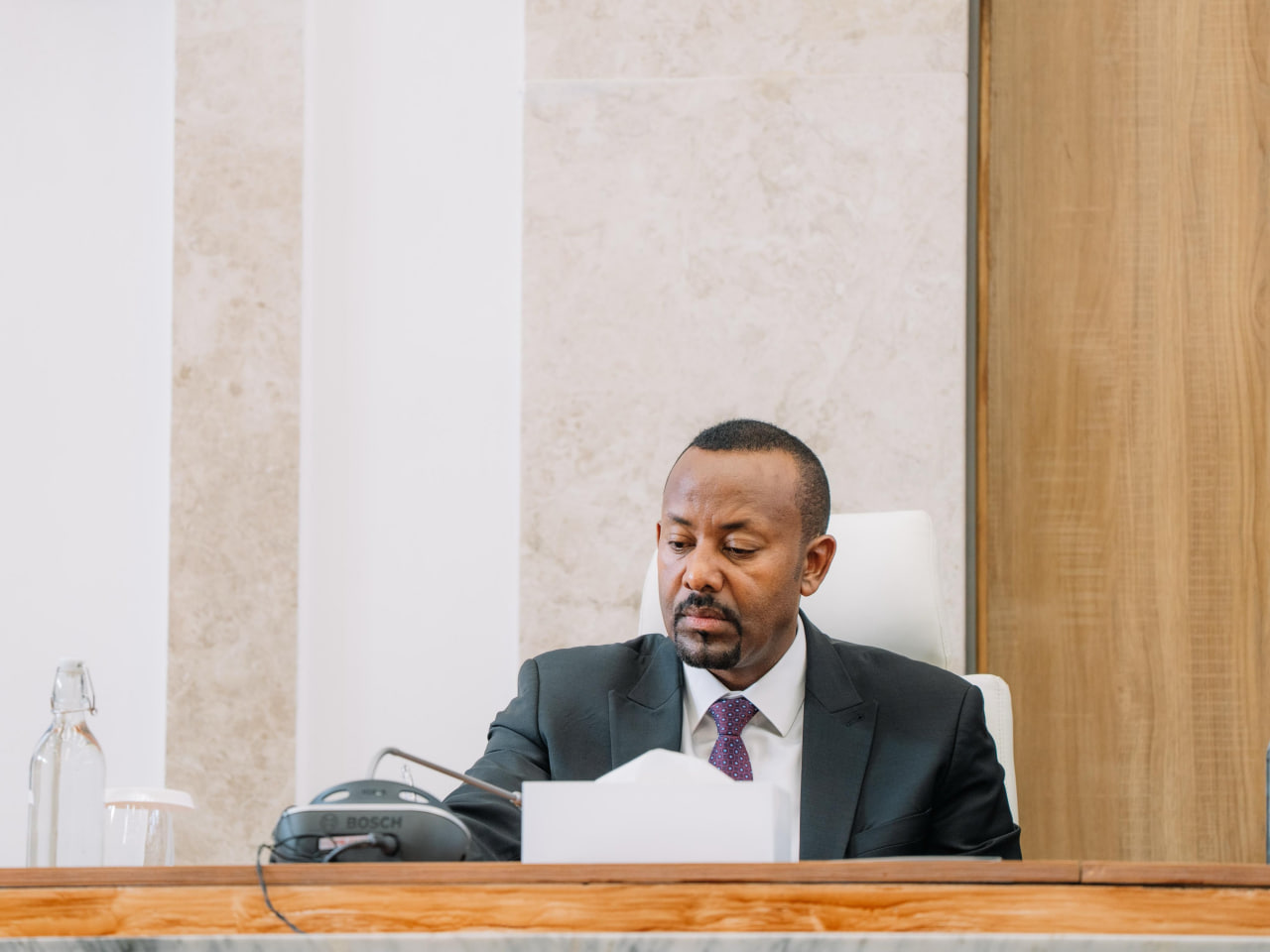
PM Abiy: Ethiopia Building World-Class Education System Through Quality-Focused Reforms
Addis Ababa, July 7, 2026 (FMC) — Prime Minister Abiy Ahmed has highlighted what he described as major strides in Ethiopia’s education sector, saying the government’s reforms are focused on improving quality, expanding access, and preparing future generations through sustained investment in human capital.
Addressing the 30th regular session of the House of Peoples’ Representatives, the Prime Minister said education remains one of the government’s foremost national priorities, with significant investments being made across all levels of the sector.
He said the Ministry of Education has mobilized more than 30 billion birr through public contributions to construct model schools and boarding schools nationwide, while the Office of the First Lady has financed the construction of 35 model secondary schools using proceeds from sales of the Medemer book series authored by the Prime Minister.
Highlighting progress in early childhood education, Prime Minister Abiy said Ethiopia has established 35,000 kindergartens and early childhood development centers over the past seven years, describing the initiative as a long-term investment in the country’s future rather than a short-term political undertaking.
Turning to higher education, the Prime Minister said previous policies largely emphasized expanding the number of universities, often at the expense of educational quality. He noted that the government’s current reforms prioritize quality, innovation, research, and digital transformation.
As part of that effort, he said the ongoing Medemer University project is designed to become a center of excellence in artificial intelligence and advanced technology, strengthening Ethiopia’s capacity in innovation and the digital economy.
Prime Minister Abiy announced that construction of the university is expected to be completed within the next six to seven months, expressing confidence that it will set a new benchmark for higher education infrastructure in Ethiopia and across Africa.
He also said recent education reforms have significantly curbed national examination malpractice and strengthened a culture of merit, encouraging students, teachers, and parents to place greater emphasis on genuine academic achievement.
Underscoring the growing importance of artificial intelligence, the Prime Minister said Ethiopia recognized the strategic value of the technology several years before it became a major policy priority across much of Africa, adding that the government’s continued investment in the field is intended to prepare the country for the rapidly evolving global digital landscape.