
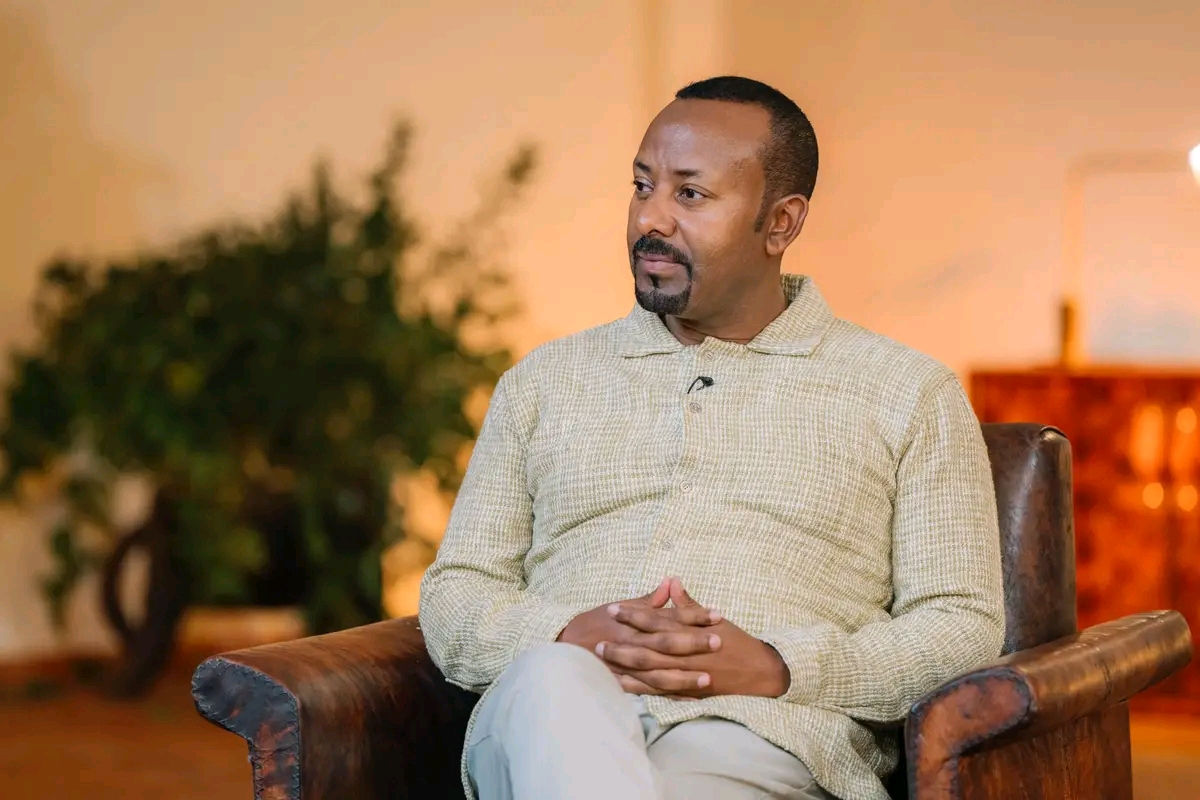
PM Abiy Says Tourism Elevated to Core Economic Pillar Under National Development Strategy
Addis Ababa, June 30, 2026 (FMC) — Prime Minister Abiy Ahmed has said that tourism has been elevated to a core economic pillar under Ethiopia’s national development strategy aimed at driving long-term transformation and ensuring sustainable prosperity.
Speaking in an exclusive interview with NBC Ethiopia under the theme “Tourism: The New Engine of the Economy,” the Prime Minister said the decision reflects a deliberate policy direction intended to build a prosperous Ethiopia for future generations.
He explained that the prioritization of tourism followed extensive research and policy deliberations to identify sectors capable of generating both immediate economic returns and long-term structural change.
The Prime Minister noted that for decades Ethiopia’s economy had been largely dependent on agriculture. While he underlined agriculture’s continued importance, he said it has not been sufficient on its own to deliver the level of economic transformation required.
He stressed that sustainable national development requires a diversified economic structure in which multiple sectors contribute to growth.
In this regard, tourism has been identified as one of the five key economic pillars expected to play a significant role in expanding economic opportunities and strengthening the broader economy.
Highlighting the global scale of the tourism industry, the Prime Minister said it generates approximately 12.6 trillion U.S. dollars annually. He cited figures showing that the United States earns around 215 billion dollars, Spain about 107 billion dollars, Thailand 95 billion dollars, and Egypt nearly 15 billion dollars from the sector each year.
He also referred to international tourism flows, noting that France receives more than 100 million visitors annually, Mexico nearly 97 million, Malaysia about 40 million, and Morocco close to 20 million tourists each year.
According to the Prime Minister, these figures illustrate the sector’s capacity to generate national income, employment opportunities, and economic resilience.
He emphasized that Ethiopia and Africa must assess their share of global tourism wealth, noting that increasing participation in the sector would support wider economic development.
He explained that unlike traditional exports, tourism allows consumers to come directly to the country, where they spend on locally produced goods and services without export-related logistical costs.
The Prime Minister said visitors purchase Ethiopian manufactured goods, traditional clothing, handicrafts, local cuisine, and cultural experiences, creating immediate domestic markets that support small businesses, artisans, craft producers, coffee vendors, and service providers.
He further noted that tourism also serves as a channel for foreign direct investment, as international visitors often identify business opportunities during their travels and later return as investors.
Tourism revenues, he added, contribute to preserving historical heritage, protecting natural ecosystems, developing eco-tourism destinations, and expanding modern infrastructure.
The Prime Minister also emphasized tourism’s role in strengthening national unity and social cohesion, stating that domestic travel helps citizens develop a deeper understanding of Ethiopia’s diverse cultures, histories, and traditions.
This, he said, fosters mutual respect, patriotism, and a shared national identity.
He concluded that prioritizing tourism is a strategic national choice aimed at securing Ethiopia’s rightful place in the global tourism economy, expanding economic opportunities, and safeguarding long-term national interests.