
IGAD Advances Decade-Long Agrifood Transformation Agenda as Ethiopia Showcases Scalable Agricultural Reforms
Addis Ababa, September 15, 2026 (FMC) — The Intergovernmental Authority on Development (IGAD) has begun finalizing a decade-long regional investment and policy framework aimed at transforming agrifood systems across the Horn of Africa, with experts and policymakers stressing coordinated investment, stronger seed systems and climate resilience as critical to confronting persistent food insecurity.
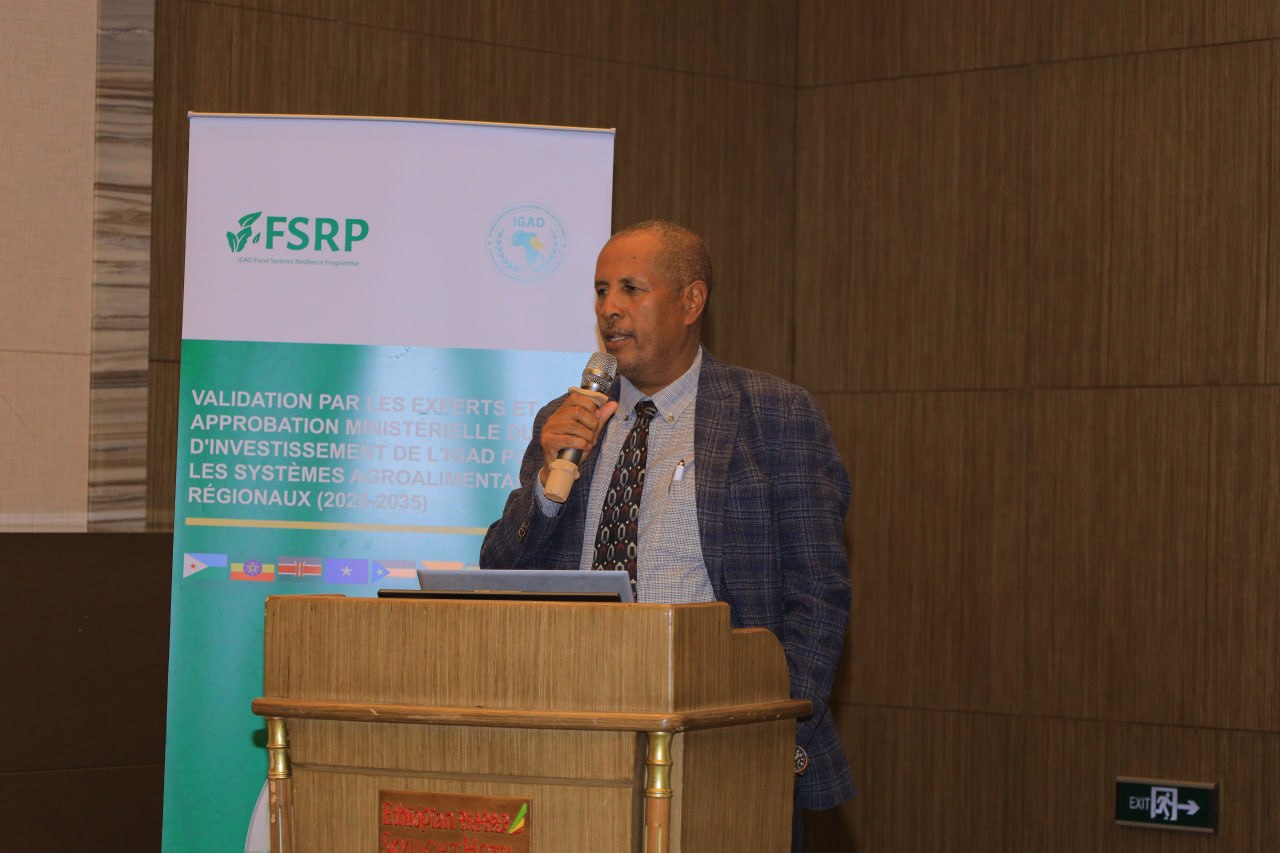
The three-day meeting, which opened in Addis Ababa today, is conducting the final expert validation of the IGAD Regional Agrifood Systems Investment Plan (RASIP) 2026–2035 ahead of its ministerial endorsement, alongside preparations for the endorsement of the IGAD Regional Seed Policy and Regulatory Framework.
The two frameworks are designed to move regional agricultural cooperation beyond fragmented production-focused approaches toward a more integrated food-systems agenda linking agriculture with environmental sustainability, trade, resilience, investment and broader economic and social development.
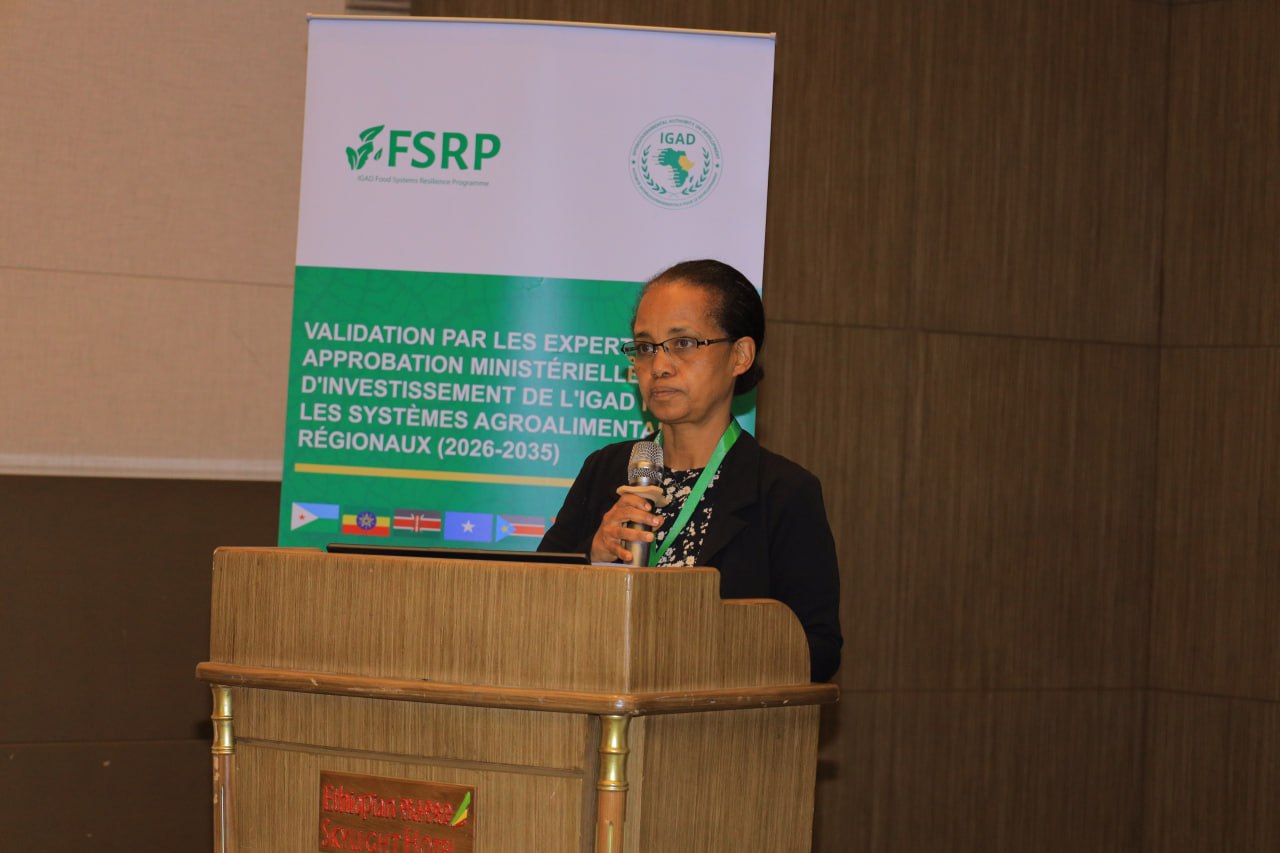
Speaking at the opening, Senait Regassa (PhD), Project Coordinator of IGAD’s Food Systems Resilience Programme (FSRP), said the regional investment plan is intended to translate continental commitments into coordinated action capable of delivering food security, prosperity and resilience across IGAD member states.
She noted that food insecurity in the region is being compounded by climate shocks, conflict, economic volatility and structural weaknesses in production and market systems, underscoring the need for coordinated investments that can be implemented at scale.
The RASIP is aligned with the Kampala Declaration and other continental priorities while seeking to provide a coherent regional framework connecting agricultural production with environmental protection, trade and resilience.
Senait also highlighted the Regional Seed Policy and Regulatory Framework as a key component of the regional response, stressing that effective seed systems require cooperation among farmers, producers, agro-dealers, private-sector actors, governments, technical institutions and development partners.
Beyond improving the efficiency of seed supply, the framework is intended to strengthen farmers’ access to quality seed varieties suited to changing climatic conditions and resistant to pests and diseases, while contributing to greater seed and food-system resilience.
Ethiopia, meanwhile, used the opening forum to present elements of its agricultural transformation experience that could offer practical lessons for wider regional implementation.
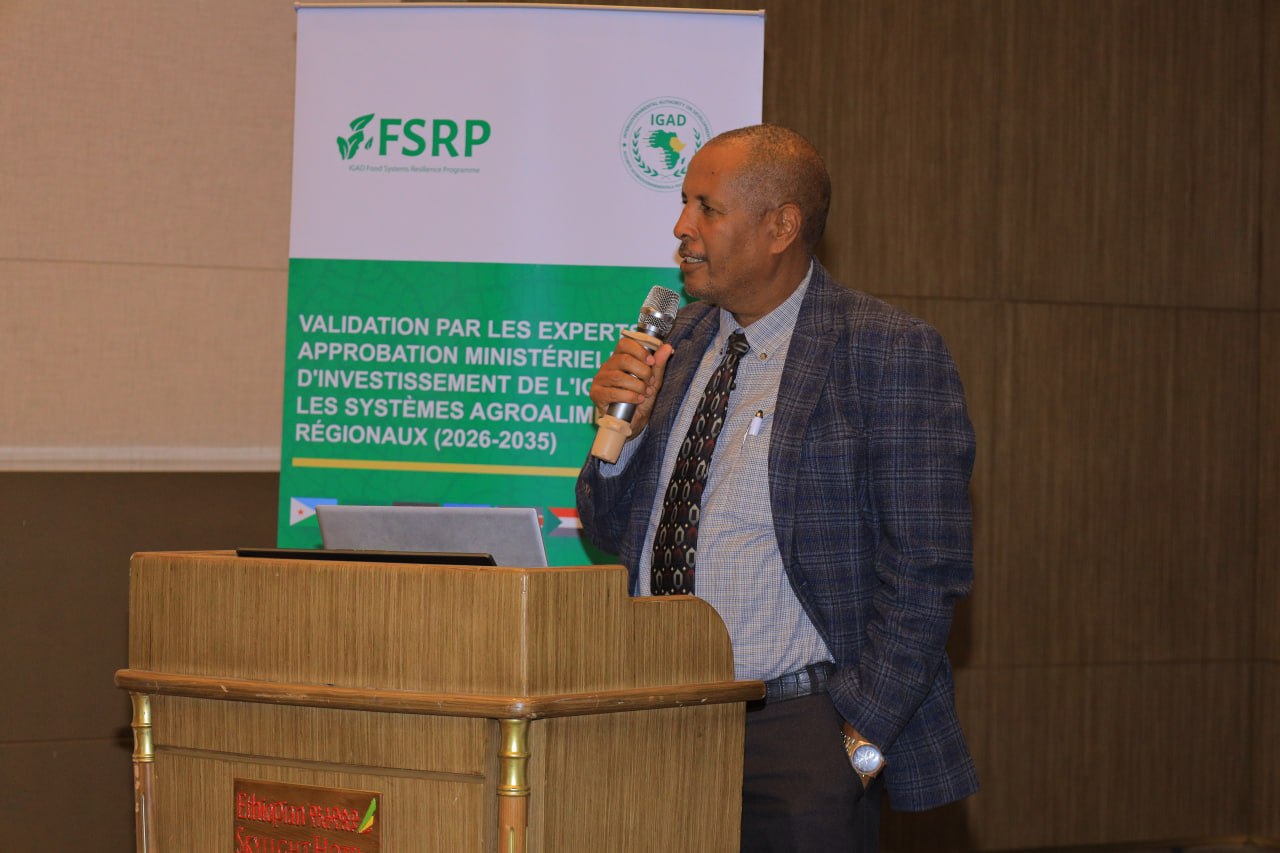
Mr. Zena Habtewold, Advisor to Ethiopia’s Minister of Agriculture, said RASIP comes at a critical moment for the region and represents a shift from conventional approaches centered primarily on agricultural production toward a more cooperative and holistic transformation of agrifood systems.
He identified sustainable food production, regional trade and the African Continental Free Trade Area (AfCFTA), inclusive financing, nutrition, climate resilience, governance and agricultural research among the areas requiring strategic investment.
Mr. Zena pointed to Ethiopia’s expansion of irrigated wheat production and adoption of improved seed varieties as examples of efforts to strengthen domestic agricultural production and reduce dependence on external supply.
He also highlighted the country’s cluster farming model, which brings smallholder plots together to facilitate mechanization, improve production quality, strengthen extension services and establish more direct links to markets.
The approach, Zena said, has helped advance the commercialization of smallholder agriculture while contributing to reductions in post-harvest losses.
Ethiopia’s Green Legacy Initiative was also presented as part of a broader effort to connect environmental restoration with food and nutrition security through landscape rehabilitation, agroforestry, soil conservation and fruit-tree development, he noted.
The Ethiopian experience, according to Mr. Zena, demonstrates the potential of combining modern agricultural practices with ecosystem restoration and community participation—an approach that could inform regionally coordinated investment under RASIP.
He called on experts taking part in the validation process to scrutinize the plan’s investment priorities, results framework and implementation arrangements to ensure that it responds to the realities of IGAD member states while remaining aligned with continental priorities.
The meeting is also expected to examine financing approaches capable of supporting transformative investments, including mechanisms that bring together public, private and climate-related resources.
The regional seed framework has been developed through a series of studies and consultations involving IGAD member states and key stakeholders. A regional dialogue and seed forum held earlier this year, followed by a virtual consultation in June, contributed to the draft now being submitted for ministerial consideration.
Both RASIP and the Regional Seed Policy and Regulatory Framework form part of IGAD’s efforts under its food-systems resilience agenda to strengthen policy coherence, coordinate investment and improve preparedness for food insecurity.
The Addis Ababa meeting will proceed from expert validation to the preparation of a common communique before bringing together senior officials and ministers for the formal endorsement process.
The ultimate objective is to establish a common regional policy and investment architecture through which IGAD member states can address food insecurity, climate vulnerability and weak agricultural value chains while expanding opportunities for trade, investment and sustainable economic growth.
The process places particular emphasis on ensuring that regional transformation delivers tangible benefits for smallholder farmers, pastoralist communities, women and young people across the Horn of Africa.