
Tigray Region Accelerates Institutional Recovery as Government Employee Salary Payments Set to Resume This Month
Addis Ababa, November 2, 2026 (FMC) – The Tigray Region Caretaker Administration is advancing efforts to restore government institutions and strengthen public service delivery, with salary payments to government employees set to resume this month as part of broader efforts to restore public administration across the region.
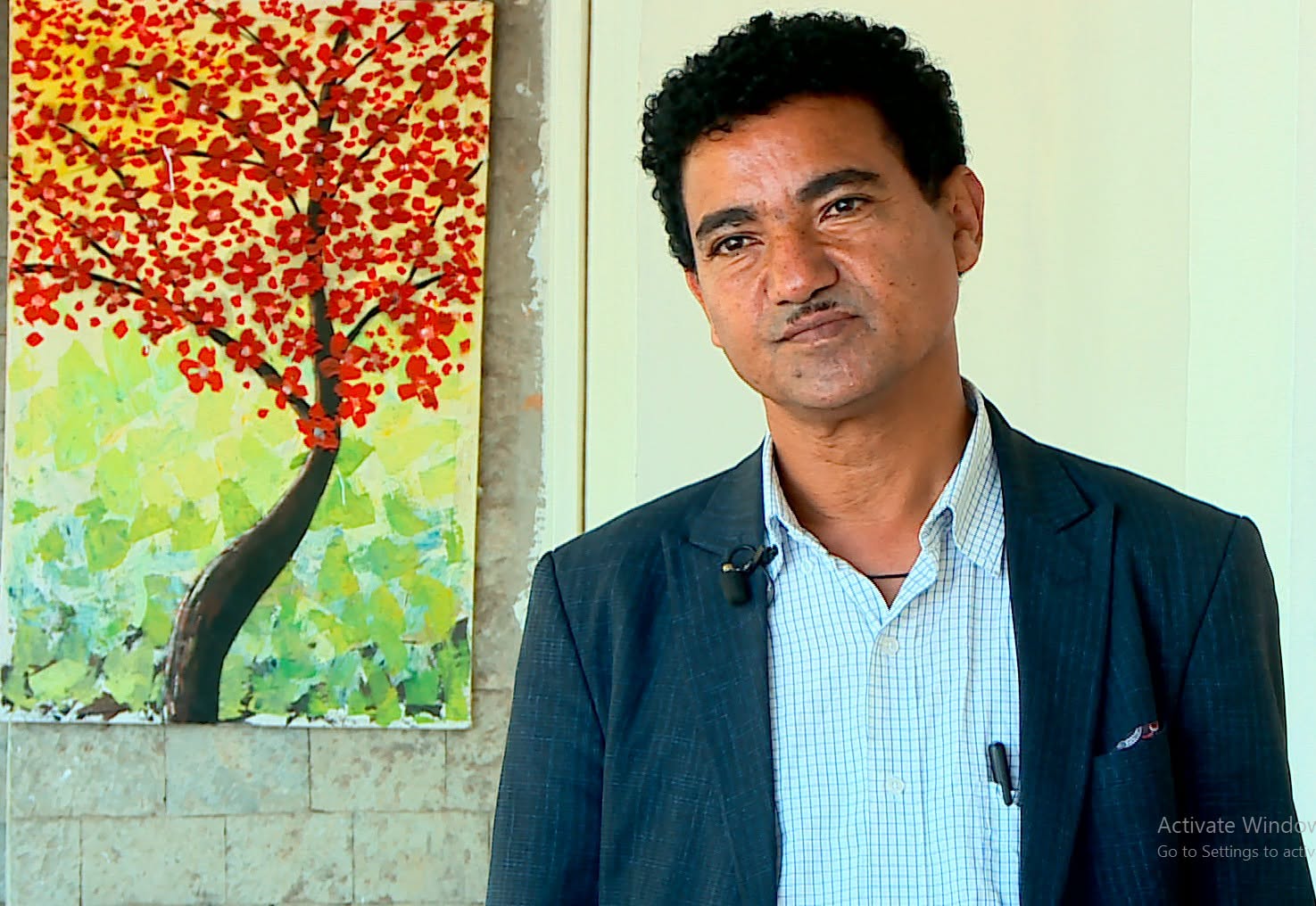
Tewodros Aregay, Chief Executive Officer for Economic Affairs and Reconstruction under the Tigray Region Caretaker Administration, told Fana Media Corporation that the necessary financial preparations had been completed to commence salary payments.
He explained that the payments would cover employees who had reported to their workplaces and resumed their duties, as well as those legally employed by government institutions.
The resumption of salary payments is part of broader efforts to reactivate government institutions, restore their operational capacity, and strengthen employees’ motivation and engagement in public service delivery.
Aregay further disclosed that efforts to rebuild public institutions and improve service delivery were gaining momentum, while preparations were also underway to launch Ethiopia’s MESOB One-Stop Digital Service in Mekelle, the regional capital.
He said government employees had been returning to their workplaces and resuming service delivery as part of the wider drive to restore services disrupted by the destruction inflicted on various sectors across the region in recent years.
He noted that measures had been undertaken to resume teaching and learning in educational institutions, restore the operations of government offices, and reinstate essential public services.
Efforts to restore electricity, water, banking, and internet services had also advanced, with these services now fully operational in Mekelle, he said.
Aregay reaffirmed that the Tigray Region Caretaker Administration would build on the progress achieved over the coming two weeks to further enhance the speed, efficiency, and quality of public service delivery.