
Kazakhstan, World’s Largest Landlocked Country, Opens 5.2 Million Hectares for Carbon-Sink Projects
Addis Ababa, August 18, 2026 (FMC) — Kazakhstan, the world’s largest landlocked country, is opening 5.2 million hectares of non-forested land for carbon-sink projects as it seeks to expand carbon markets, attract investment and advance its climate goals, TV BRICS reported, citing its Kazakh media partner Kazinform.
The Kazakh government will make the land from the National Forest Fund available for projects aimed at reducing greenhouse-gas emissions and increasing carbon sequestration.
Kazakhstan’s Minister of Ecology and Natural Resources Yerlan Nyssanbayev said the initiative would create opportunities for foreign investors to participate in emissions-reduction and carbon-sequestration projects and generate carbon credits.
The initiative is being implemented under Article 6 of the Paris Agreement, which provides mechanisms for countries to cooperate through the international transfer of carbon credits toward their climate commitments.
Under its international commitments, Kazakhstan aims to reduce greenhouse-gas emissions by 15 percent by 2030 and 17 percent by 2035 compared with 1990 levels.
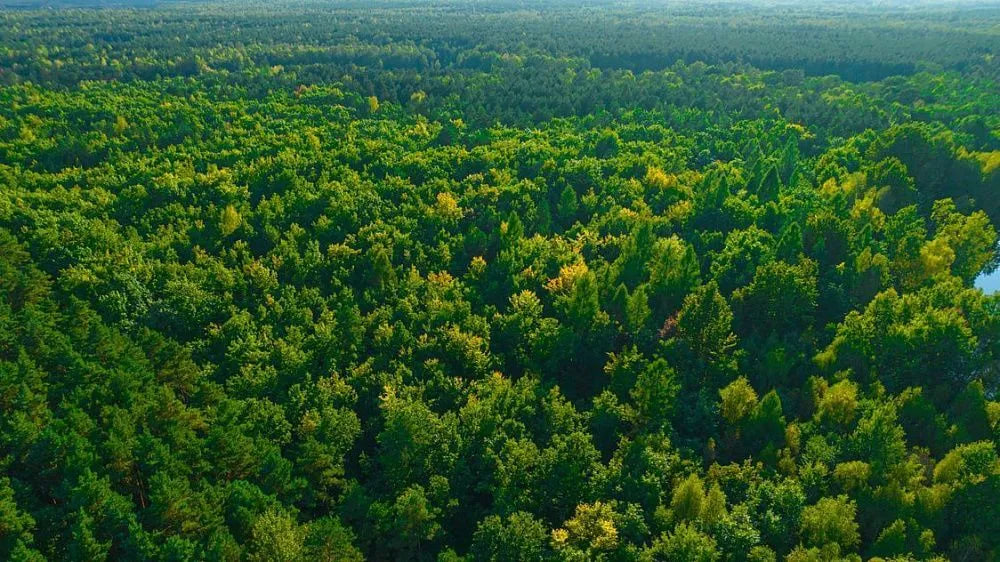
The designated land will be used for ecological restoration, including afforestation, while investors will also be encouraged to establish and modernize forest nurseries to provide seedlings for large-scale restoration efforts.
Investors participating in the carbon market will be required to complete the full project cycle, from development and authorization through monitoring, verification and accounting to the transfer of international carbon credits.
The initiative follows the entry into force of Kazakhstan’s new state regulation governing greenhouse-gas emissions and removals, which authorities say is designed to strengthen transparency and predictability in the development of the country’s carbon market.
The move comes as carbon markets increasingly emerge as a mechanism for supporting climate action while mobilizing investment in environmental restoration and sustainable development.