

UNESCO Recognizes China’s Changshan Islands as World Natural Heritage Site for Migratory Bird Conservation
Addis Ababa, August 3, 2026 (FMC) — UNESCO has added China’s Changshan Islands to the World Natural Heritage List, expanding international recognition of the country’s efforts to protect migratory bird habitats along the Yellow Sea and Bohai Gulf coast, TV BRICS reported, citing its Chinese media partner.

The newly included area covers more than 4,900 hectares and forms part of the migratory bird sanctuaries along the Yellow Sea–Bohai Gulf coastline already inscribed on UNESCO’s heritage list. The extension was approved during the 48th session of the World Heritage Committee.
The Changshan Islands provide critical resting and feeding grounds for millions of migratory birds travelling along the East Asian–Australasian Flyway, one of the world’s major migration routes.
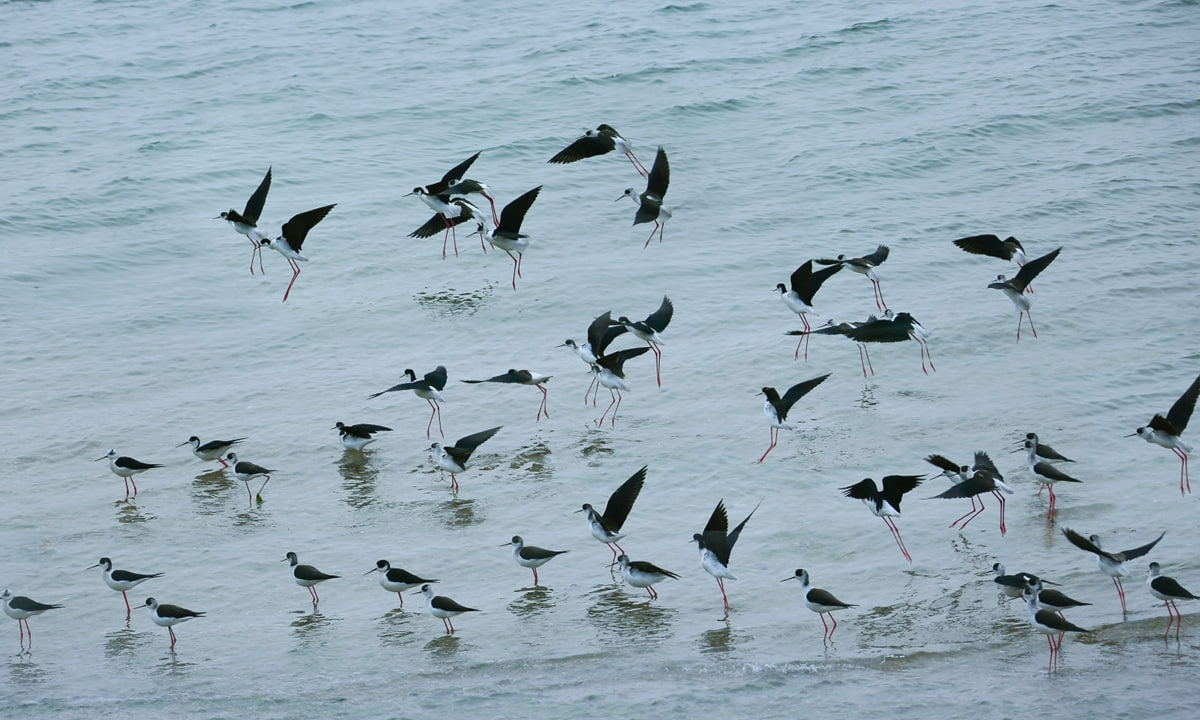
More than 140 bird species have been recorded in the area, which is also home to the world’s largest breeding colony of Chinese egrets and serves as a permanent habitat for other protected species.
The sanctuary is recognized as the world’s largest intertidal wetland system, an ecosystem shaped by tidal movements that periodically cover and expose coastal areas, supporting rich biodiversity.
With the latest addition, China now has 15 World Natural Heritage sites and four mixed heritage sites that combine cultural and natural significance.
The recognition comes as UNESCO continues to expand its global heritage lists, with several sites from BRICS countries and nations of the Global South receiving international recognition.
Among recently recognized sites are Brazil’s Theatro da Paz and Teatro Amazonas, which were added to the World Cultural Heritage List for their architectural and historical significance in the Amazon region. Uzbekistan also secured UNESCO recognition for ten examples of modernist architecture in Tashkent built between the 1960s and 1990s, reflecting Central Asia’s architectural development during the twentieth century.
Meanwhile, Oman is preparing the nomination of the Al Hajar Geopark for inclusion in the UNESCO Global Geoparks Network, with the initiative aimed at preserving natural heritage, promoting sustainable tourism and creating economic opportunities for local communities.