
Ethiopia’s Transport Minister Says Electric Mobility Must Become an Industrial Opportunity for Africa
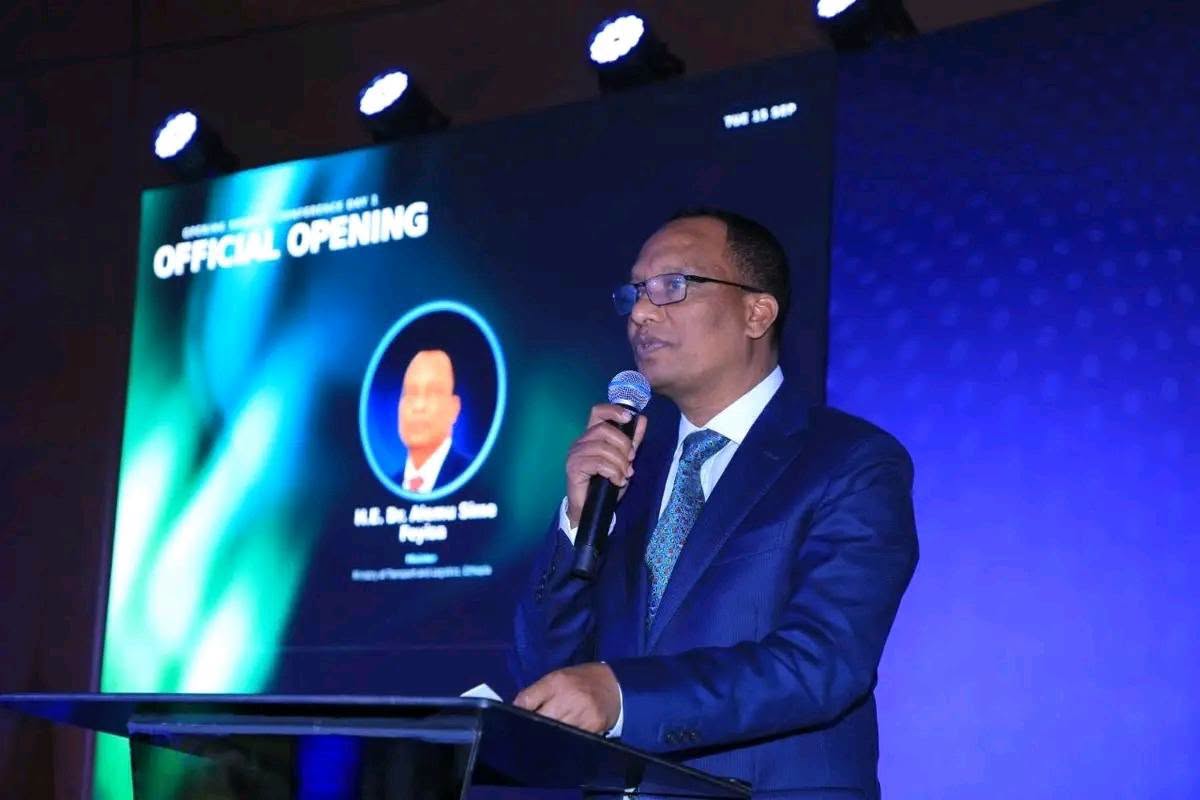
Addis Ababa, September 16, 2026 (FMC) — Ethiopia is advancing an integrated transition toward a green, climate-resilient and sustainable transport system, linking electric mobility with renewable energy, digital infrastructure, domestic manufacturing, investment and skills development, Minister of Transport and Logistics Alemu Sime said.
The Minister made the remarks while delivering an opening address at the Nordic–Africa Climate Summit in Addis Ababa, where he emphasized stronger international cooperation, technology transfer and financial support as essential to accelerating the transition to green transport.
He said Ethiopia, under the leadership of Prime Minister Abiy Ahmed, has placed green and climate-resilient development at the center of its national development strategy. The Green Legacy Initiative, expansion of renewable energy and efforts to build a low-carbon economy are among the manifestations of this commitment, he added.
Decarbonizing transport, Alemu said, is a key component of building a sustainable economy. Ethiopia is therefore working to integrate electric public transport, green urban corridors and clean-air transport systems with its growing renewable energy capacity.
The transition to electric mobility, however, requires more than increasing the number of electric vehicles. The Minister stressed the need to build a complete ecosystem encompassing charging infrastructure, digital systems, manufacturing, maintenance services and specialized human capital.
He identified the wider e-mobility ecosystem as an expanding field for investment, pointing to opportunities in charging infrastructure, digital technology, manufacturing, maintenance and skills development. Government resources alone, he said, will not be sufficient, calling for stronger partnerships among development partners, commercial banks, investors and industry.
Alemu also underscored the importance of joint investment in low-carbon energy and transport solutions, alongside greater exchange of knowledge and experience and expanded opportunities for collaborative investment between Africa and the Nordic countries.
The Minister further called for a shift from technology consumption toward building domestic capabilities. Africa’s transition to electric mobility, he stressed, should contribute to industrial development rather than simply creating another market for imported products.
This requires strengthening local assemblers and manufacturers, investing in research and development, and developing the capabilities needed for Africans to participate across the full electric-mobility value chain. He also emphasized the importance of comprehensive standards, digital systems and battery-recycling mechanisms.
Building a sustainable electric-transport ecosystem, Alemu said, will require closer cooperation among universities, research centers and industry to develop engineers, technicians, researchers and policy specialists capable of supporting the sector’s long-term growth.
He also called for the transition to be inclusive, ensuring that women, youth and persons with disabilities participate in and benefit from the emerging green-transport economy. He emphasized that particular attention should be given to electric mass transport and integrated transport systems.
Ethiopia and Africa can draw on the experience of Nordic countries in advancing green transport, Alemu said, while stressing that solutions for Africa should reflect the continent’s own realities and transport needs.
The broader Nordic–Africa partnership, he noted, extends beyond environmental and climate concerns to areas including trade, investment, digitalization and technology transfer, creating opportunities for deeper economic and technological cooperation.
The transformation will require practical cooperation across governments, development institutions, financial actors, investors, research institutions and the private sector, the Minister said, urging the summit to translate dialogue into concrete action and expanded collaboration.
Ethiopia also shared with participants its policy, strategy and standards measures to promote electric vehicles and reduce carbon emissions, as well as its experience in the transition toward electric transport.
The Nordic–Africa Climate Summit, being held at the Ethiopia Science Museum, brings together Nordic and African stakeholders to strengthen cooperation and pursue joint solutions in climate action, green economy and sustainable transport, with Denmark, Finland, Sweden, Norway and Iceland among the participating Nordic countries.